US Notes

Grading Gold Certificates: Why Color Retention of the Yellow-Orange Seal Is the Single Most Important Condition Factor
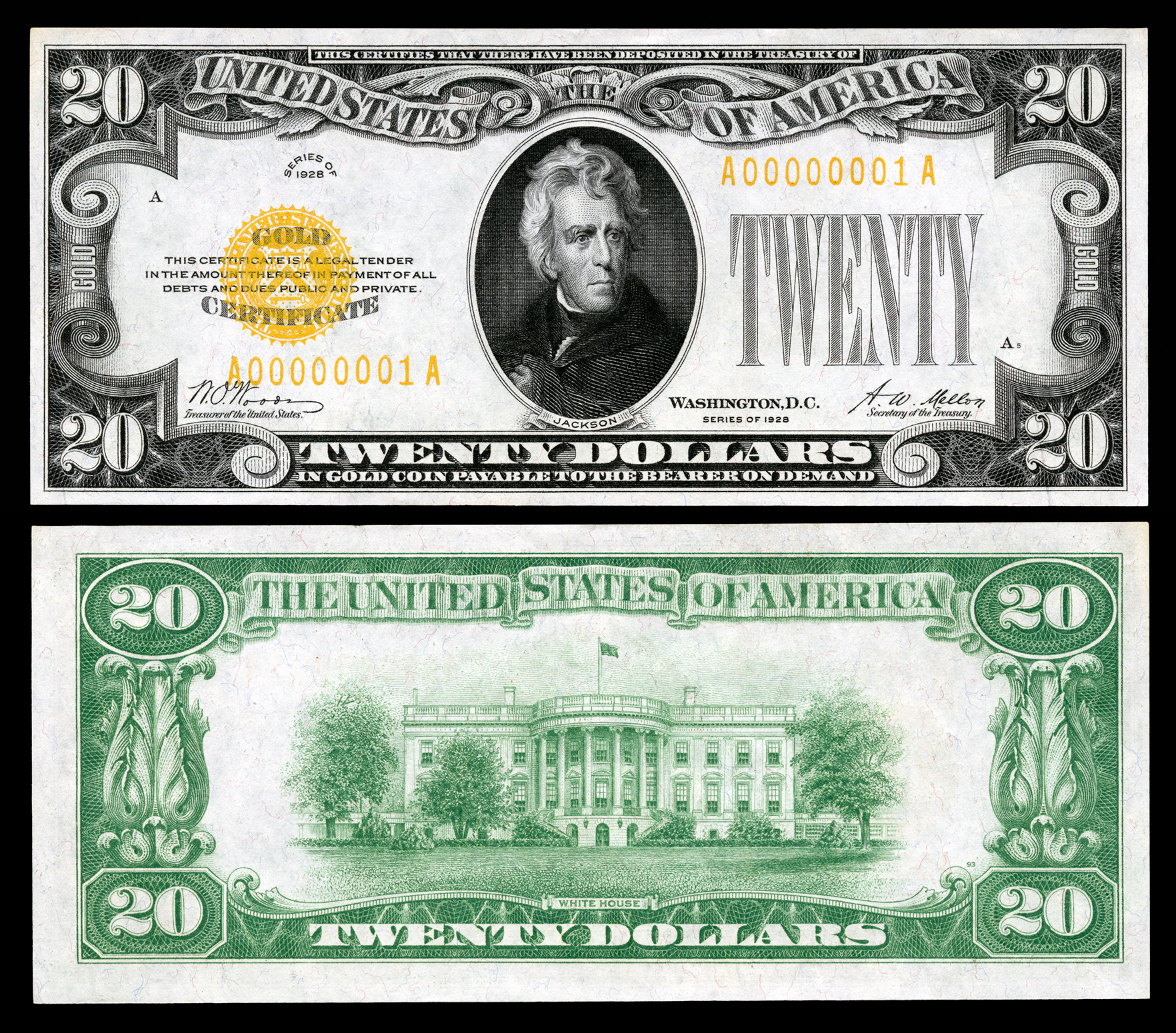
When grading Gold Certificates, most collectors focus on folds and centering, but seasoned numismatists know the yellow-orange Treasury seal tells the real story of a note’s condition. This guide breaks down exactly why seal color dominates the grading conversation and how to evaluate it like a professional.

Read More →
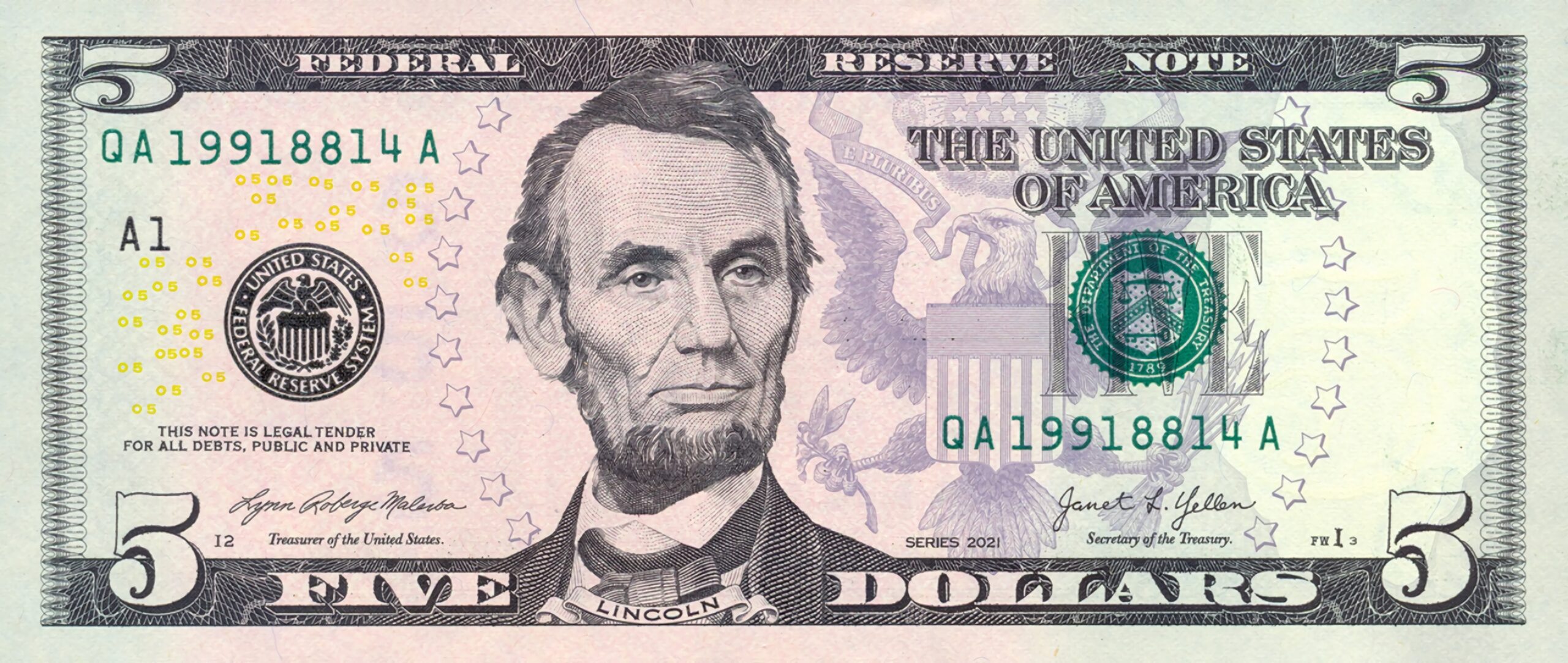
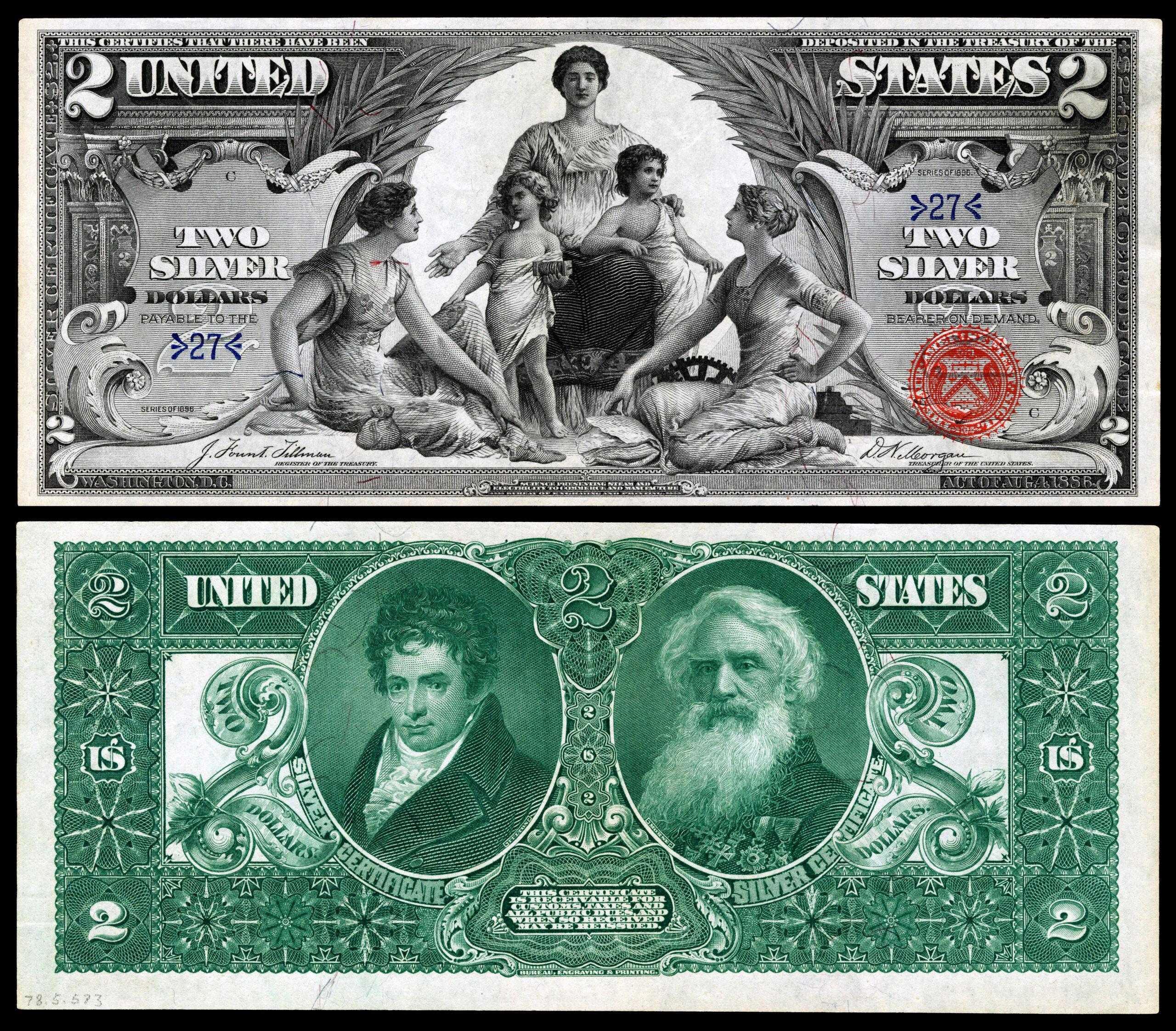
Insufficient Inking on Intaglio-Printed Currency: When Portraits Fade and What It Means for Your Collection

Insufficient inking errors on intaglio-printed Federal Reserve Notes produce some of the most visually dramatic and genuinely rare error currency in American numismatics. Understanding how these defects occur, how graders evaluate them, and which series command serious premiums can transform how you approach the error note market.

Read More →

The Importance of Margins in Currency Grading: How Centering Affects PMG and PCGS Scores

Centering and margins can make or break a currency grade, turning a potential gem into a problem note before an expert ever checks for folds. Understanding how PMG and PCGS evaluate margins gives collectors a critical edge when buying, selling, or submitting notes for grading.

Read More →

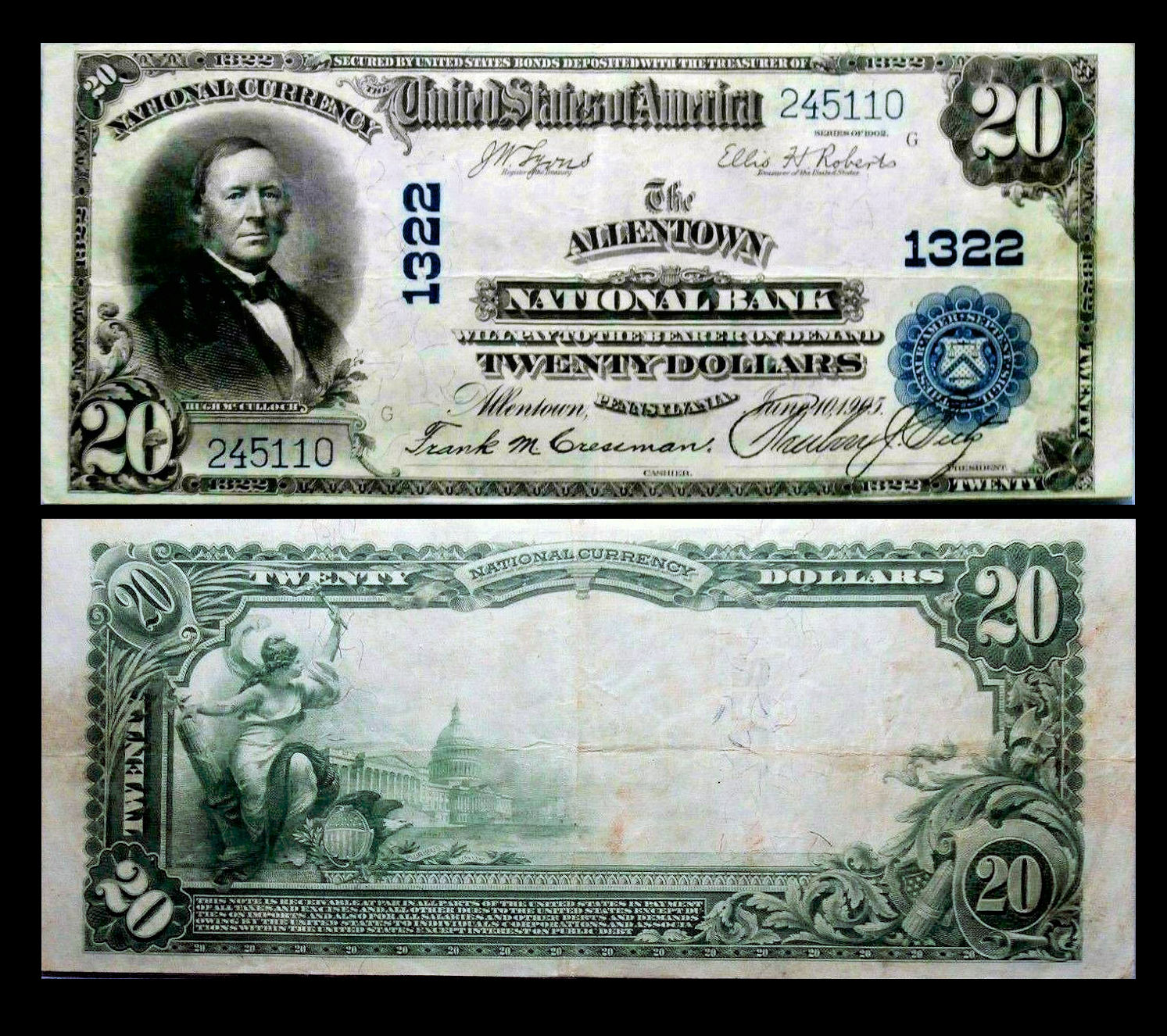
Grading National Bank Notes: Why the Issuing Bank Creates a Separate Value Tier Beyond Condition

When it comes to National Bank Notes, condition alone tells only half the story. The rarity of the issuing bank can transform a well-worn Fine-12 note into a trophy piece worth multiples of its Uncirculated counterpart from a common charter.

Read More →

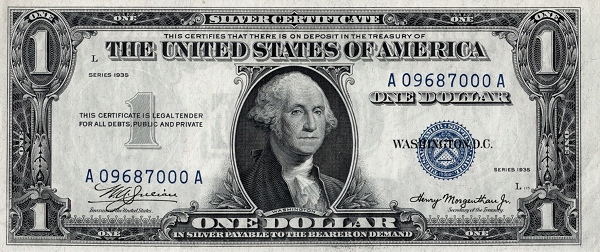
Grading Silver Certificates by Seal Color Intensity: How Faded Blue Seals Affect PMG and PCGS Scores on 1935 and 1957 Series Notes

The vivid blue Treasury seal on Silver Certificates is one of the first things graders examine, and even subtle fading can drop a note one or two full grade points. This guide breaks down exactly how PMG and PCGS Currency evaluate seal color on 1935 and 1957 series notes, with practical advice for collectors chasing high-grade examples.

Read More →

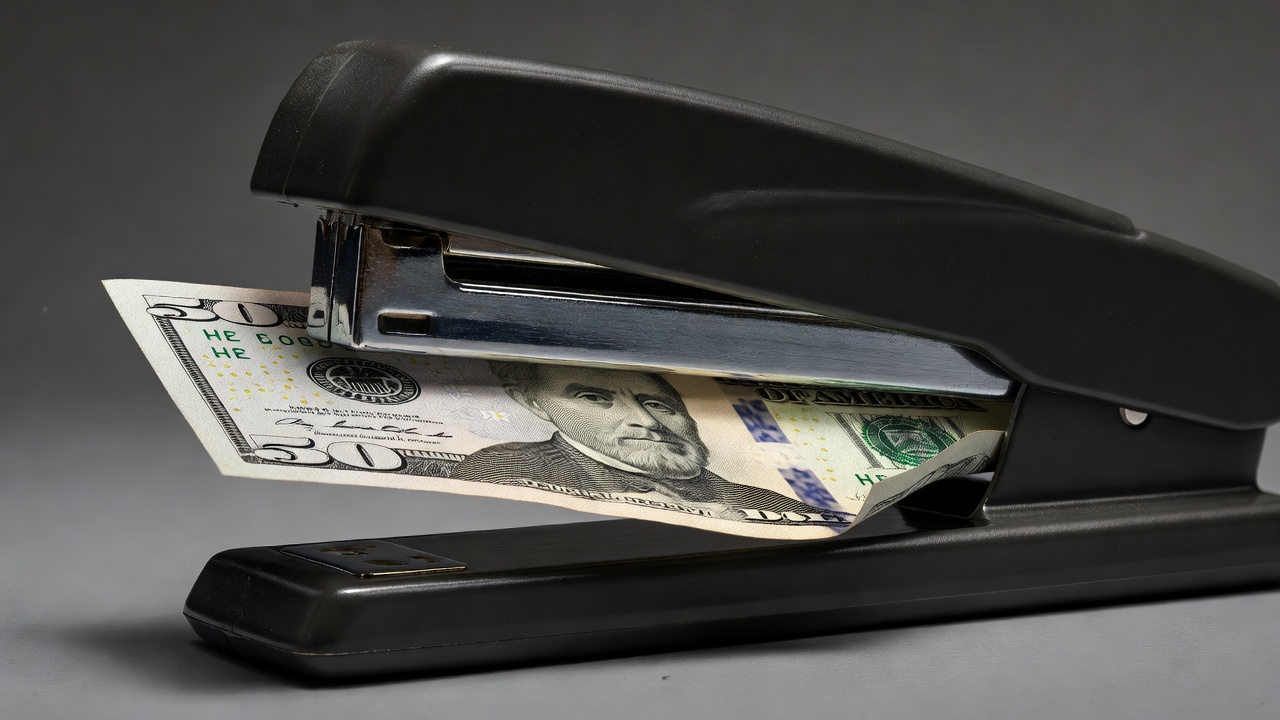
Staple Holes and Currency Grading: What PMG and PCGS Really Think About Those Tiny Punctures

Staple holes are among the most misunderstood defects in paper money grading, capable of dropping a visually crisp note several grade points depending on their number and placement. This guide breaks down exactly how PMG and PCGS Currency evaluate staple damage, where location matters most, and what collectors should know before buying or submitting a note.

Read More →

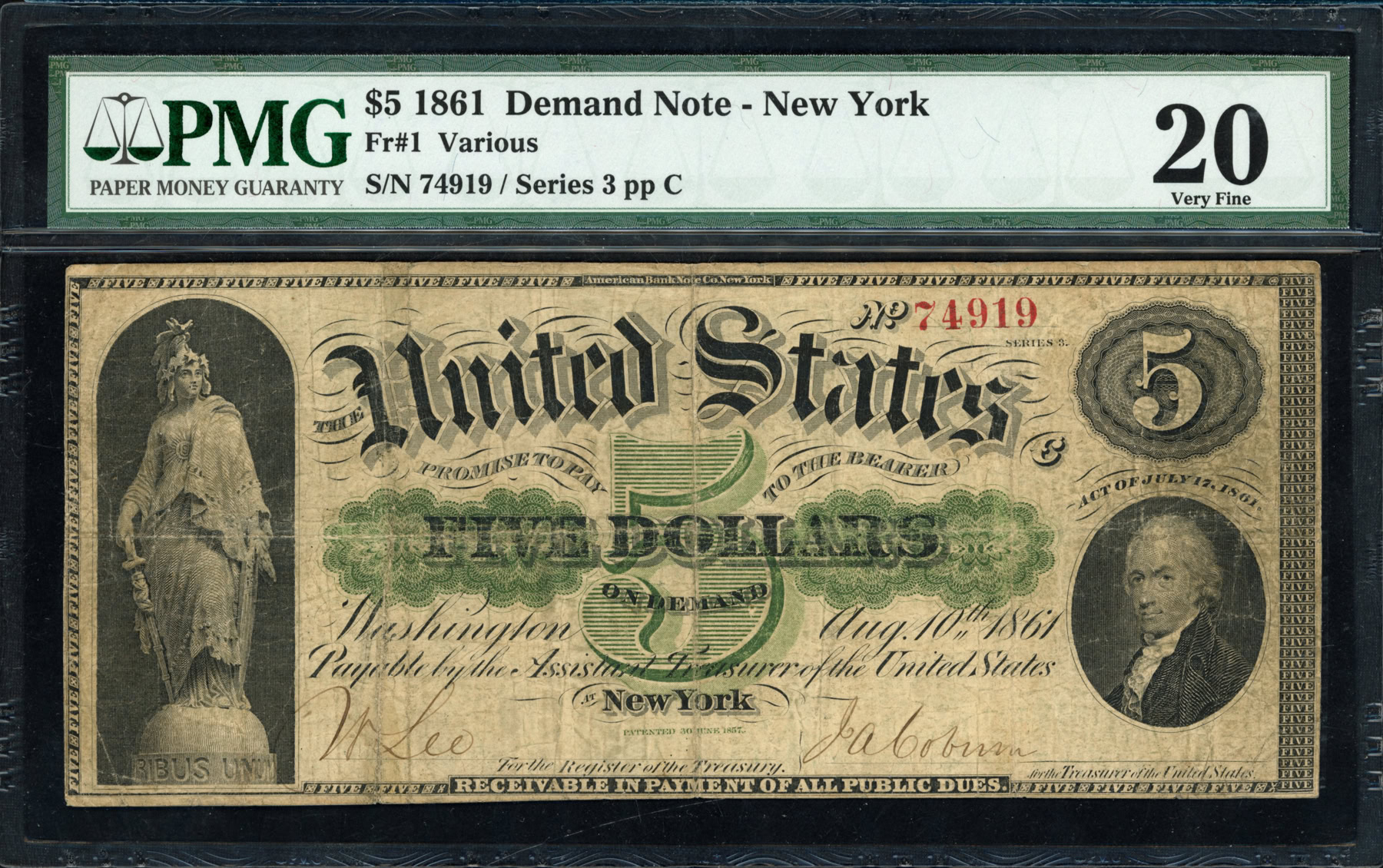
The Fine-12 Grade for Civil War Era Currency: Why a Well-Worn Demand Note in F-12 Can Be a Trophy Acquisition

A Demand Note graded Fine-12 tells a story that pristine Uncirculated examples simply cannot: it passed through hands during the darkest and most transformative years in American history. Understanding why F-12 represents a genuine trophy grade for this series can reshape how collectors approach one of the rarest and most historically significant note types ever issued by the United States government.

Read More →

How to Interpret the PMG Grading Scale for National Bank Notes: When Rarity of the Bank Overrides Condition in the Market

PMG grades tell you the condition of a National Bank Note, but they cannot tell you how rare the issuing bank actually is — and that gap is where real collector value lives. This guide breaks down how seasoned numismatists reconcile census data, charter numbers, and market realities to make smarter buying decisions.

Read More →

Series 1950B $50 Federal Reserve Note Star Notes: Which Districts Are Conditionally Rare and Why Census Numbers Mislead

The Series 1950B $50 Federal Reserve Note star notes present one of the most deceptive collecting puzzles in mid-century large-denomination currency, where raw survival numbers tell only half the story. Learn which Federal Reserve districts produce genuine conditional rarities, how grading realities distort census counts, and what savvy collectors know before bidding.

Read More →

The Role of Originality in Currency Grading: Why a 64 with Original Embossing Beats a Pressed 65

In the world of paper money grading, a note’s numerical grade tells only part of the story. Understanding why original embossing and surface integrity often make a lower-graded note more desirable, and more valuable, than a technically higher-graded but artificially improved example is essential knowledge for any serious collector.

Read More →