US Notes

Paper Restoration and Conservation: Legitimate Archival Treatments vs. Fraud in Currency Collecting
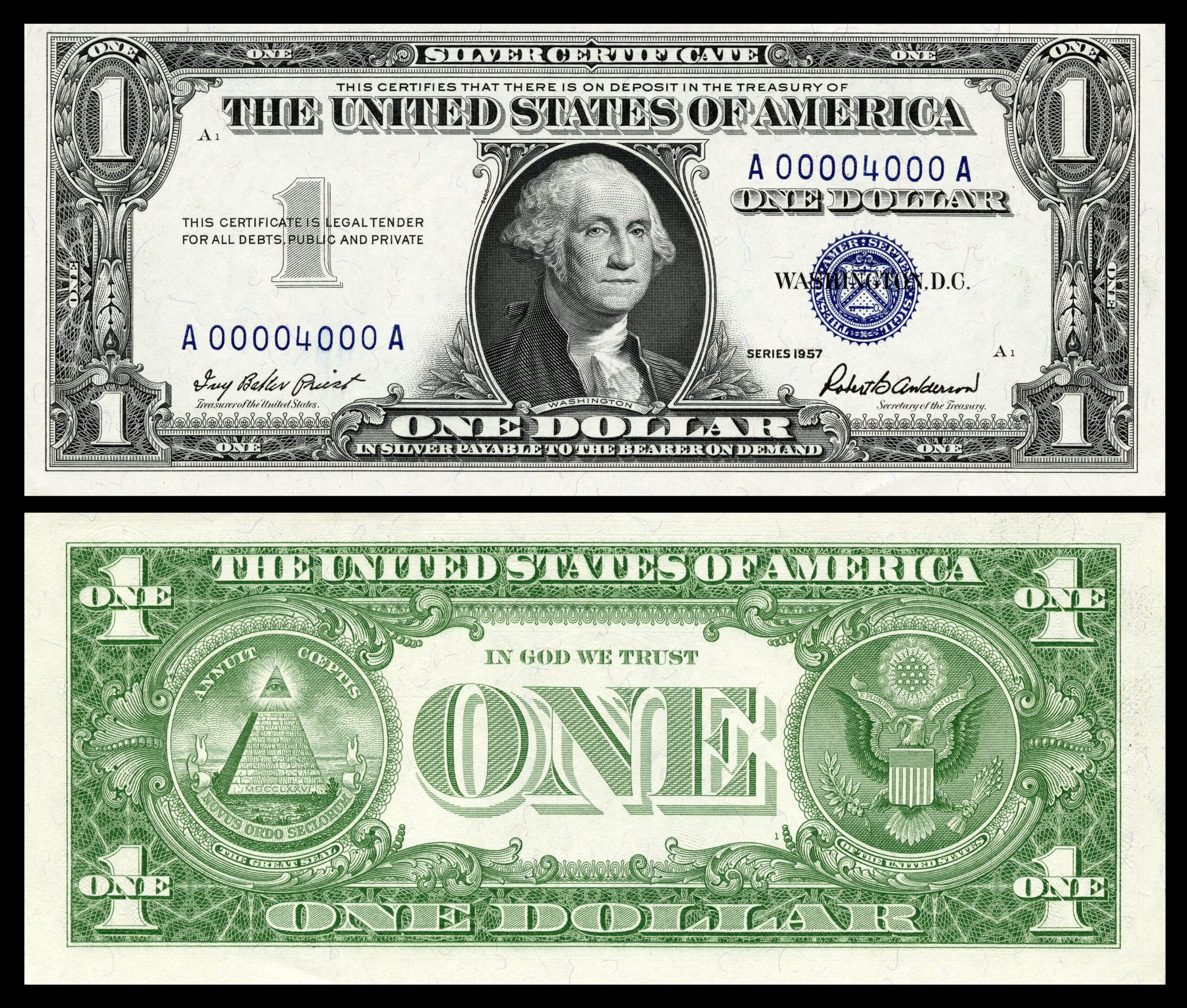
Understanding the difference between legitimate archival conservation and fraudulent restoration is one of the most critical skills a currency collector can develop. This guide breaks down accepted treatments, deceptive practices, and how to protect your collection from altered notes masquerading as originals.

Read More →
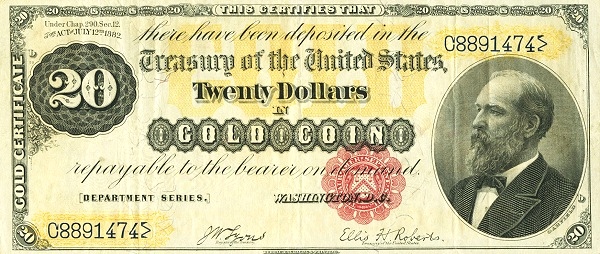
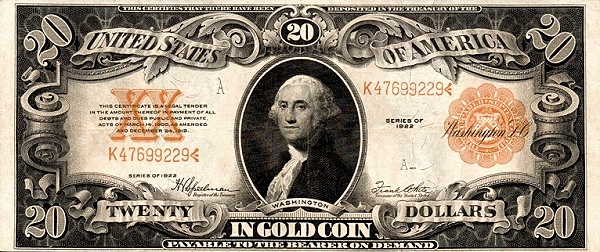
Circulated Grades for Large-Size Notes: Why Fine-15 Can Still Be a Spectacular Note

Grading large-size US currency is a nuanced art, and a Fine-15 note is far from the consolation prize many newcomers assume it to be. This guide breaks down what circulated grades really mean for pre-1929 paper money and why condition-obsessed thinking can cause collectors to miss genuinely stunning pieces of American monetary history.

Read More →

Grading Large-Size Gold Certificates: Why Condition Rarity Drives Value More Than Issue Rarity

A Gold Certificate with a modest print run can be worth less than a common-issue note in superb gem condition, and understanding why requires a deep dive into the grading nuances unique to this series. This guide breaks down the specific wear patterns, paper quality factors, and population data that make condition the dominant force in large-size Gold Certificate valuations.

Read More →

Series 1929 National Bank Notes: Type 1 vs. Type 2 Differences, Values, and What Every Collector Needs to Know

The small-size Series 1929 National Bank Notes come in two distinct types that look nearly identical at first glance, yet differ dramatically in rarity and value. Learn exactly how to distinguish Type 1 from Type 2, which banks issued each, and why this distinction can mean hundreds of dollars at auction.

Read More →

Overinking Errors on Bureau of Engraving Notes: How Filled-In Details Affect Grade and Value

Overinking errors occur when excess ink floods the recessed lines of an intaglio printing plate, obscuring fine portrait details, numerals, and lettering on finished notes. Understanding how these manufacturing defects are classified, graded, and valued can help collectors make smarter buying decisions and spot underpriced gems in dealer stocks.

Read More →

The Series 1922 $5 Gold Certificate: Porthole Notes and Why Collectors Chase High Grades

The Series 1922 $5 Gold Certificate is one of the most visually striking pieces of American paper money ever printed, featuring a circular vignette of Abraham Lincoln that collectors have nicknamed the ‘Porthole’ note. Understanding its design quirks, survival rates, and grading pitfalls is essential for anyone serious about building a meaningful Gold Certificate collection.

Read More →

Grading Error Notes: How Printing Mistakes Interact with Condition Standards at PMG and PCGS

Error notes occupy a fascinating and sometimes confusing corner of currency collecting, where the rules of standard grading meet an entirely different set of valuation criteria. This guide breaks down exactly how PMG and PCGS Currency evaluate printing mistakes, what qualifies as a gradeable error versus a damaged note, and which specific error types command the highest premiums in today’s market.

Read More →

EPQ vs. PPQ Explained: Why Those Three Letters Can Double the Value of Your Currency Note

The EPQ and PPQ qualifiers assigned by PCGS Currency and PMG can dramatically affect what a note is worth and whether it belongs in a top-tier collection. Understanding exactly what these designations mean, how graders apply them, and when they truly matter is essential knowledge for any serious currency collector.

Read More →

How Folds Affect Currency Grade: Single Folds, Corner Folds, and Counting Folds Explained

A single misplaced fold can drop a note two full grade points and slash its collector value by half. This guide breaks down exactly how grading services evaluate every type of fold, from light corner bends to deep circulation creases, so you can accurately assess notes before you buy or sell.

Read More →

Grading Small-Size Notes vs. Large-Size Notes: Why the Standards Differ Between Eras

Grading a 1922 $10 Gold Certificate by the same standards as a 1963 Federal Reserve Note is a recipe for frustration and costly mistakes. This deep-dive explains exactly why large-size and small-size currency demand different grading approaches, and how understanding those differences can sharpen your eye and protect your wallet.

Read More →