US Notes

Grading Gold Certificates: Why Color Retention of the Yellow-Orange Seal Is the Single Most Important Condition Factor
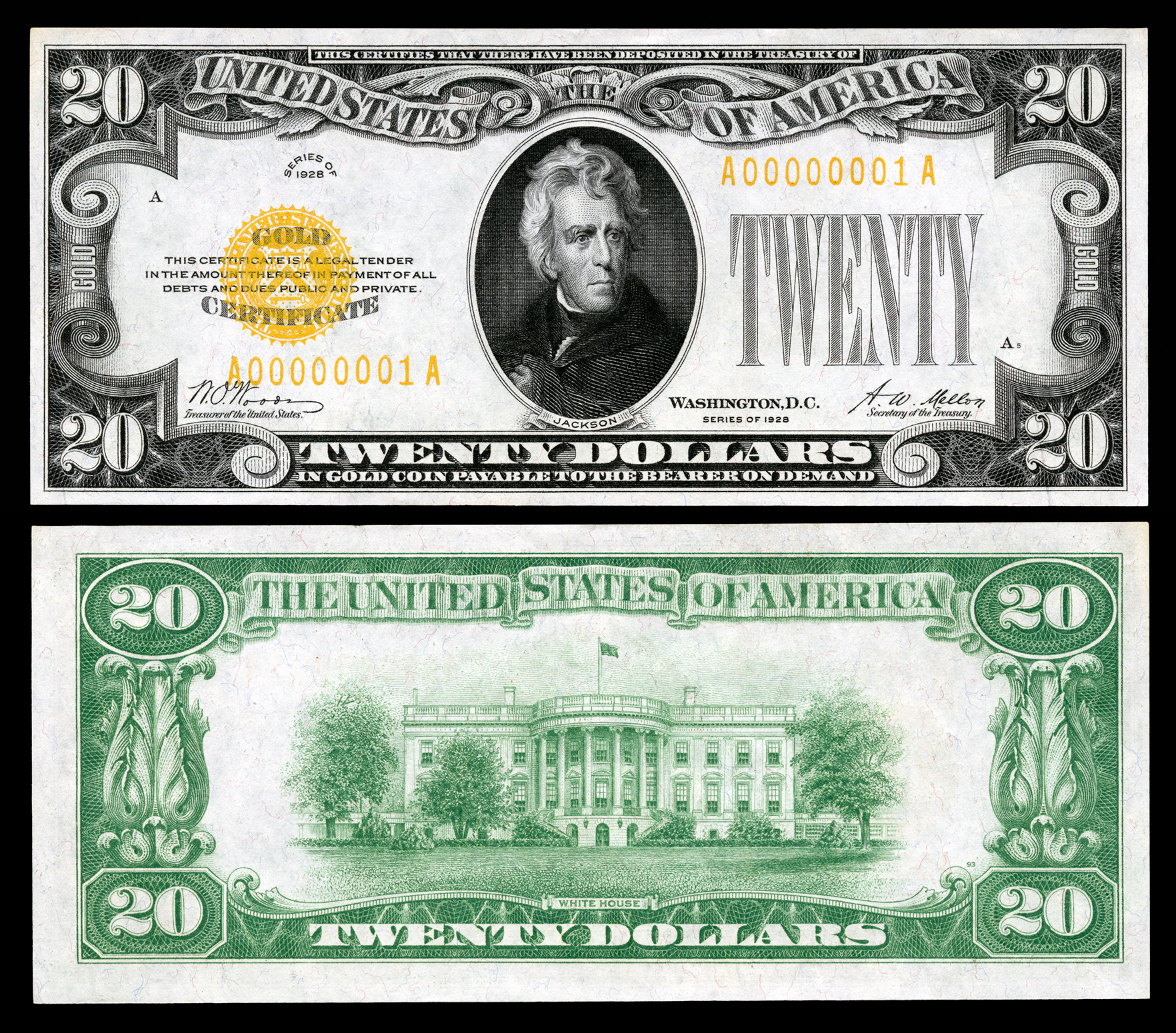
When grading Gold Certificates, most collectors focus on folds and centering, but seasoned numismatists know the yellow-orange Treasury seal tells the real story of a note’s condition. This guide breaks down exactly why seal color dominates the grading conversation and how to evaluate it like a professional.

Read More →
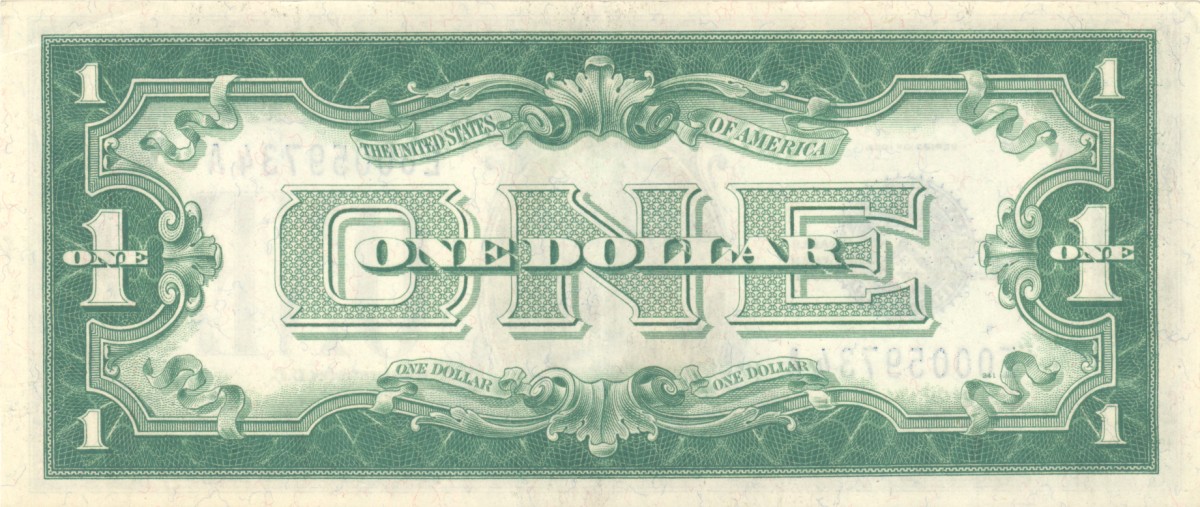
The BEP’s 1929 Currency Reduction Program: Why America Switched from Large to Small-Size Notes

In 1929, the Bureau of Engraving and Printing executed one of the most sweeping transformations in American monetary history, shrinking paper currency by roughly 25 percent and standardizing its design for the first time. Understanding the economics, logistics, and collecting implications of this change reveals why the 1929 transition remains one of the most consequential events in US paper money history.

Read More →

Shifted Face Printings on Small-Size Notes: How Far Is Too Far and What Collectors Pay

A shifted face printing can transform an ordinary small-size note into a dramatic error worth hundreds or even thousands of dollars, but understanding the spectrum from minor misalignment to spectacular off-center shifts is essential before you spend a dime. This guide breaks down exactly how these errors occur, how graders and dealers measure them, and what the current market actually pays across different denominations and series.

Read More →

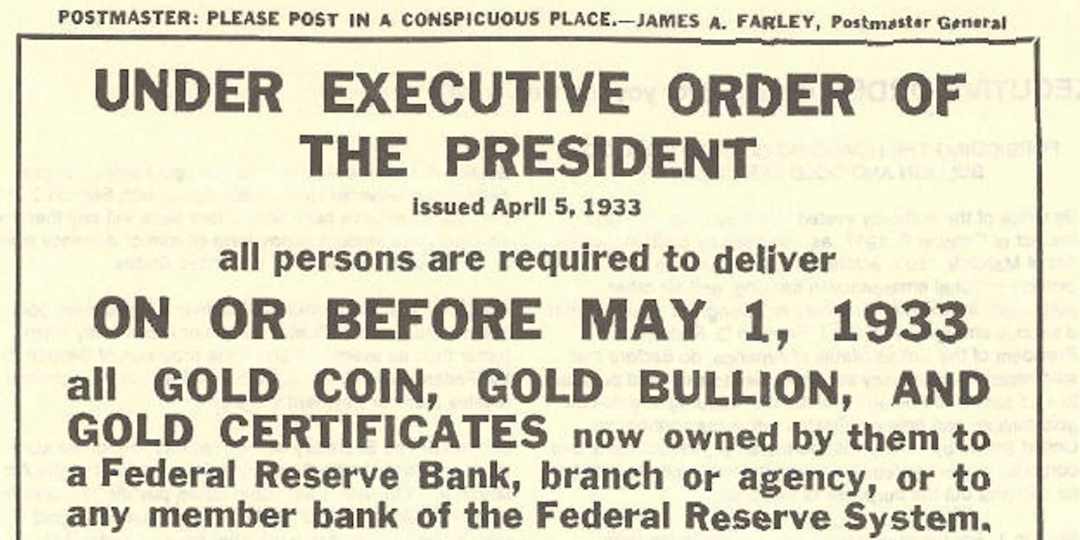
Emergency Banking Relief Act of 1933: The Legislation That Replaced Gold-Payable Currency with Federal Reserve Notes

The Emergency Banking Relief Act of 1933 reshaped the entire foundation of American currency almost overnight, ending the gold-redeemable era and cementing Federal Reserve Notes as the nation’s sole circulating paper money. Understanding this pivotal legislation is essential for any collector who wants to grasp why notes printed before and after 1933 look, feel, and read so differently.

Read More →

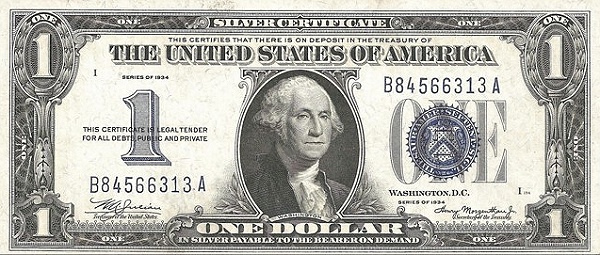
The Series 1934A $1 Silver Certificate Experimental Issues: Identifying the R and S Varieties by Serial Number Range

In 1944, the Bureau of Engraving and Printing conducted a quiet but historically significant experiment on ordinary $1 Silver Certificates, printing select notes on two different paper stocks and marking them with a red ‘R’ or ‘S’ suffix to track results. Understanding how to identify these experimental varieties by their serial number ranges opens the door to one of the most fascinating and accessible specialty areas in small-size note collecting.

Read More →

Federal Reserve Bank Notes Series 1929: The Brown Seal Emergency Issues Collectors Still Argue Over

The Series 1929 Federal Reserve Bank Notes represent one of the most fascinating and misunderstood chapters in American currency history, issued during the darkest days of the Great Depression as a practical emergency measure. This guide breaks down every issuing bank, denomination, signature combination, and rarity level so collectors can navigate this complex series with confidence.

Read More →

United States Notes: Red Seal Issues from 1862 to 1966 and What Survives Today

From the first Legal Tender Acts of the Civil War era to the final small-size red seals retired in 1971, United States Notes represent over a century of American monetary history unlike any other currency class. This deep dive covers every major series, key rarities, survival populations, and what collectors should know before pursuing these iconic red-seal notes.

Read More →

Grading Small-Size Notes vs. Large-Size Notes: Why the Standards Differ Between Eras

Grading a 1922 $10 Gold Certificate by the same standards as a 1963 Federal Reserve Note is a recipe for frustration and costly mistakes. This deep-dive explains exactly why large-size and small-size currency demand different grading approaches, and how understanding those differences can sharpen your eye and protect your wallet.

Read More →

Federal Reserve Notes Series 1950: Post-War Designs, Signature Varieties, and What Collectors Need to Know

The Series 1950 Federal Reserve Notes represent a pivotal transition in American currency design, introducing the small-size portrait style that would define mid-century paper money. From the understated yellow-green Treasury seal to the six distinct signature varieties spanning nearly a decade, these notes offer collectors a rich and surprisingly affordable field of study.

Read More →

Typography on United States Currency: How Lettering Styles Changed from 1861 to the Present

From the ornate Gothic scripts of Civil War-era Demand Notes to the clean sans-serif fonts of modern Federal Reserve Notes, the typography on US currency tells a fascinating story of art, technology, and national identity. This deep dive examines every major lettering transition, explains why certain typefaces were chosen, and shows collectors which typographic varieties command serious premiums.

Read More →