US Notes

Series 1934 Federal Reserve Notes: Light vs. Dark Green Seal Varieties Explained by Denomination
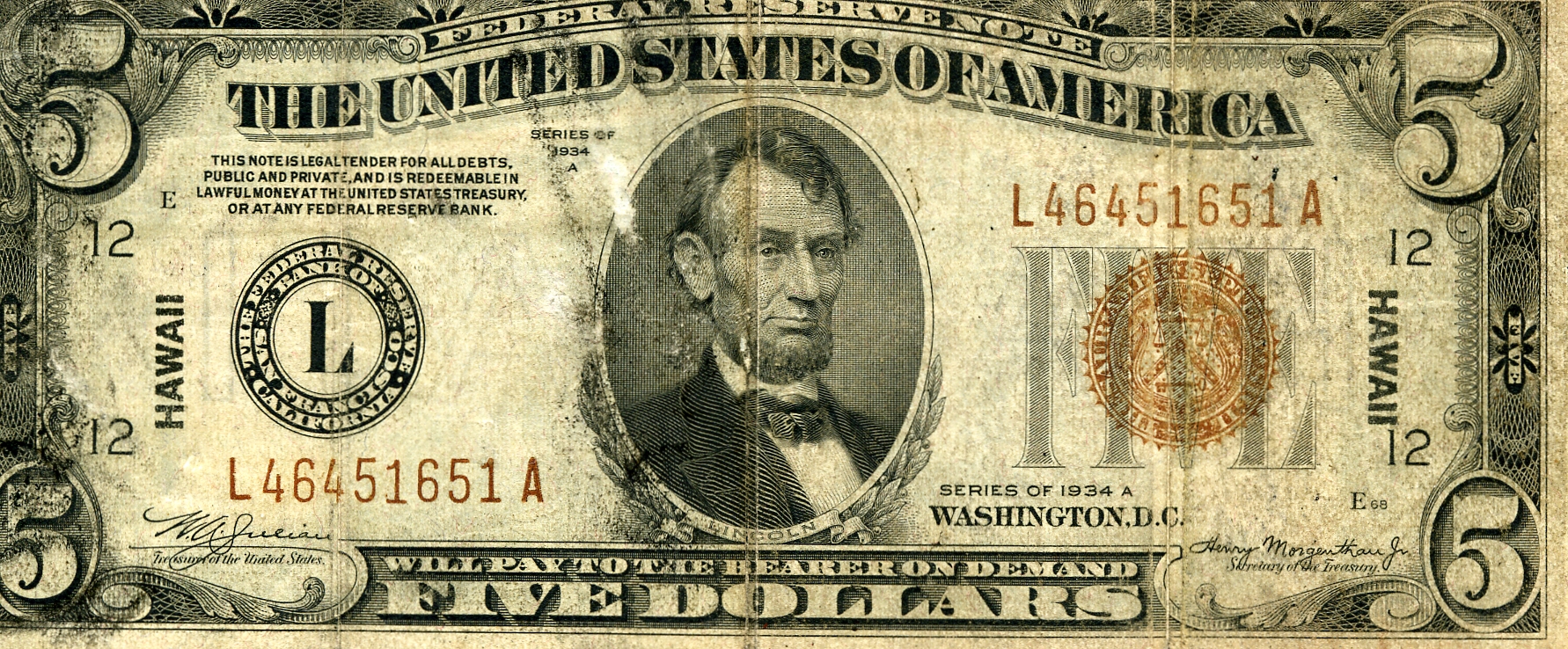
The Series 1934 Federal Reserve Notes produced one of the most fascinating and debated varieties in 20th-century American paper money: the shift from dark green to light green Treasury seals and serial numbers. Understanding which denominations exist in each variety, why the change happened, and what collectors should look for can transform a routine type set into a genuinely rewarding specialty.

Read More →
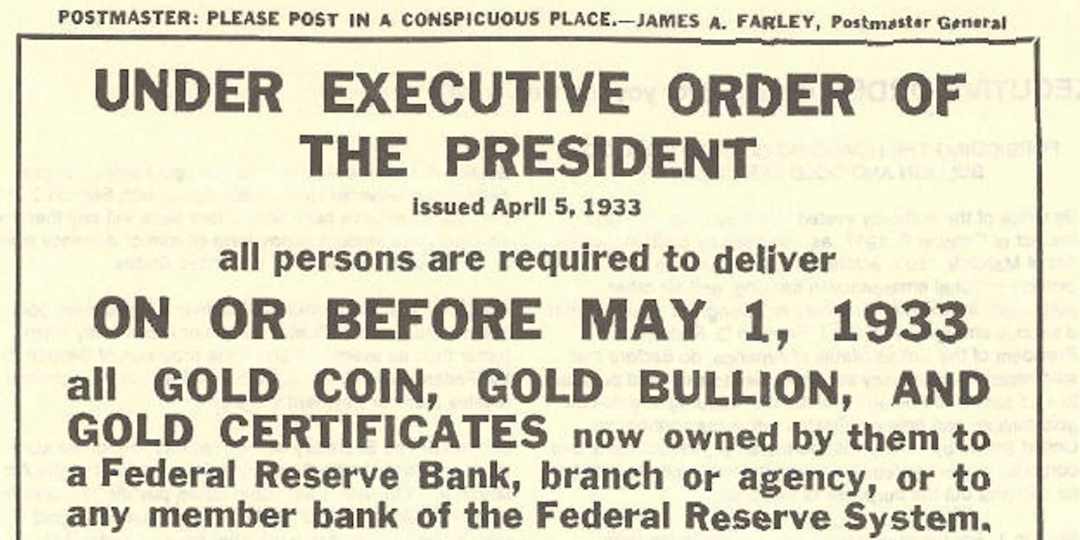
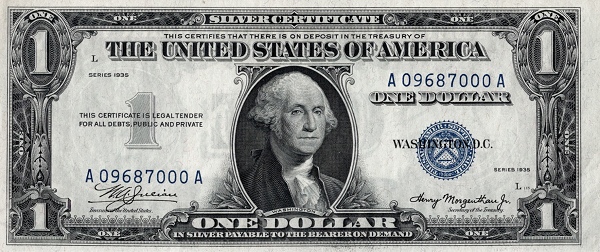
Emergency Banking Relief Act of 1933: The Legislation That Replaced Gold-Payable Currency with Federal Reserve Notes

The Emergency Banking Relief Act of 1933 reshaped the entire foundation of American currency almost overnight, ending the gold-redeemable era and cementing Federal Reserve Notes as the nation’s sole circulating paper money. Understanding this pivotal legislation is essential for any collector who wants to grasp why notes printed before and after 1933 look, feel, and read so differently.

Read More →

The Reverse Design of the Series 1934 $500 Federal Reserve Note: An Understated but Elegant Layout

The Series 1934 $500 Federal Reserve Note carries one of the most quietly sophisticated reverse designs in American currency history, blending classical engraving traditions with the functional austerity of the New Deal era. Collectors who take the time to study its layout discover a composition that rewards close examination and speaks volumes about the Bureau of Engraving and Printing’s craft at its peak.

Read More →

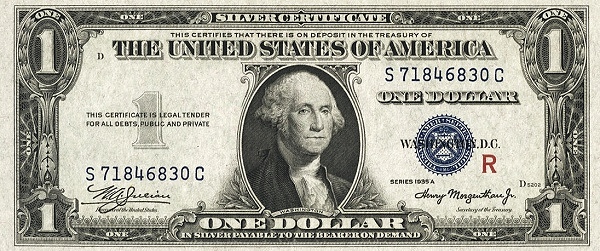
The Series 1934 $1 Silver Certificate Varieties: The Six Signature Combinations and How to Attribute Them

The Series 1934 $1 Silver Certificate is far more complex than it first appears, spanning six distinct signature combinations that reflect over a decade of Treasury Department leadership changes. Knowing how to attribute each variety can mean the difference between paying common-note prices and recognizing a genuinely scarce piece worth multiples more.

Read More →

Series 1934 $1 Silver Certificate: The Dark Green vs. Light Green Seal Mystery Explained

The Series 1934 $1 Silver Certificate comes in two distinct seal color varieties that have puzzled collectors for decades. Learn how to tell them apart, why they exist, and which one is worth hunting for in today’s market.

Read More →

Series 1934 $100 Federal Reserve Note Light Green Seal Varieties: Which Districts Are the Rarest

The Series 1934 $100 Federal Reserve Note with its distinctive light green Treasury seal is one of the most nuanced and rewarding collecting pursuits in large-size and transitional U.S. currency. This guide breaks down every Federal Reserve district, their relative scarcities, known print runs, and what separates a common circulated example from a genuinely elusive prize.

Read More →

Series 1934 $10 Federal Reserve Note Mule Varieties: Large Plate Number vs. Small Plate Number Issues Explained

The Series 1934 $10 Federal Reserve Note produced one of the most fascinating transitional varieties in twentieth-century U.S. currency: the mule. Understanding how large and small plate numbers created these hybrid notes can sharpen your eye at currency shows and potentially reveal hidden treasures in your collection.

Read More →

Series 1934 $5 Silver Certificate Dark vs. Light Blue Seal Varieties: A Detailed Attribution Guide by Serial Number Range

The Series 1934 $5 Silver Certificate presents one of the most visually striking and collectable variety distinctions in mid-20th century US paper money: the shift from a dark blue Treasury seal to a noticeably lighter blue during production. This guide breaks down exactly how to identify each variety by serial number range, signature combination, and seal color, with current market values and practical collecting advice.

Read More →

The Series 1934 $20 Federal Reserve Note ‘Redeemable in Gold’ Clause: Which Districts Printed It and Which Had Already Changed

The Series 1934 $20 Federal Reserve Note sits at one of the most dramatic crossroads in American monetary history, with some district notes still bearing the gold redemption clause while others had already dropped it. Understanding exactly which districts printed which obligation text, and why, unlocks one of the most nuanced and collectible distinctions in twentieth-century paper money.

Read More →

The Back Design of the Series 1934 $1000 Federal Reserve Note: Architecture, Typography, and Understated Elegance

The reverse of the Series 1934 $1000 Federal Reserve Note is one of the most restrained yet sophisticated engraving achievements in American currency history, blending neoclassical architectural motifs with masterful Intaglio typography. Understanding its design details, production context, and collector significance can sharpen your eye and your buying decisions when these high-denomination giants surface at auction.

Read More →