US Notes

State-Chartered Banknotes of the Free Banking Era: Minnesota, Wisconsin, and the Notes of the Upper Midwest
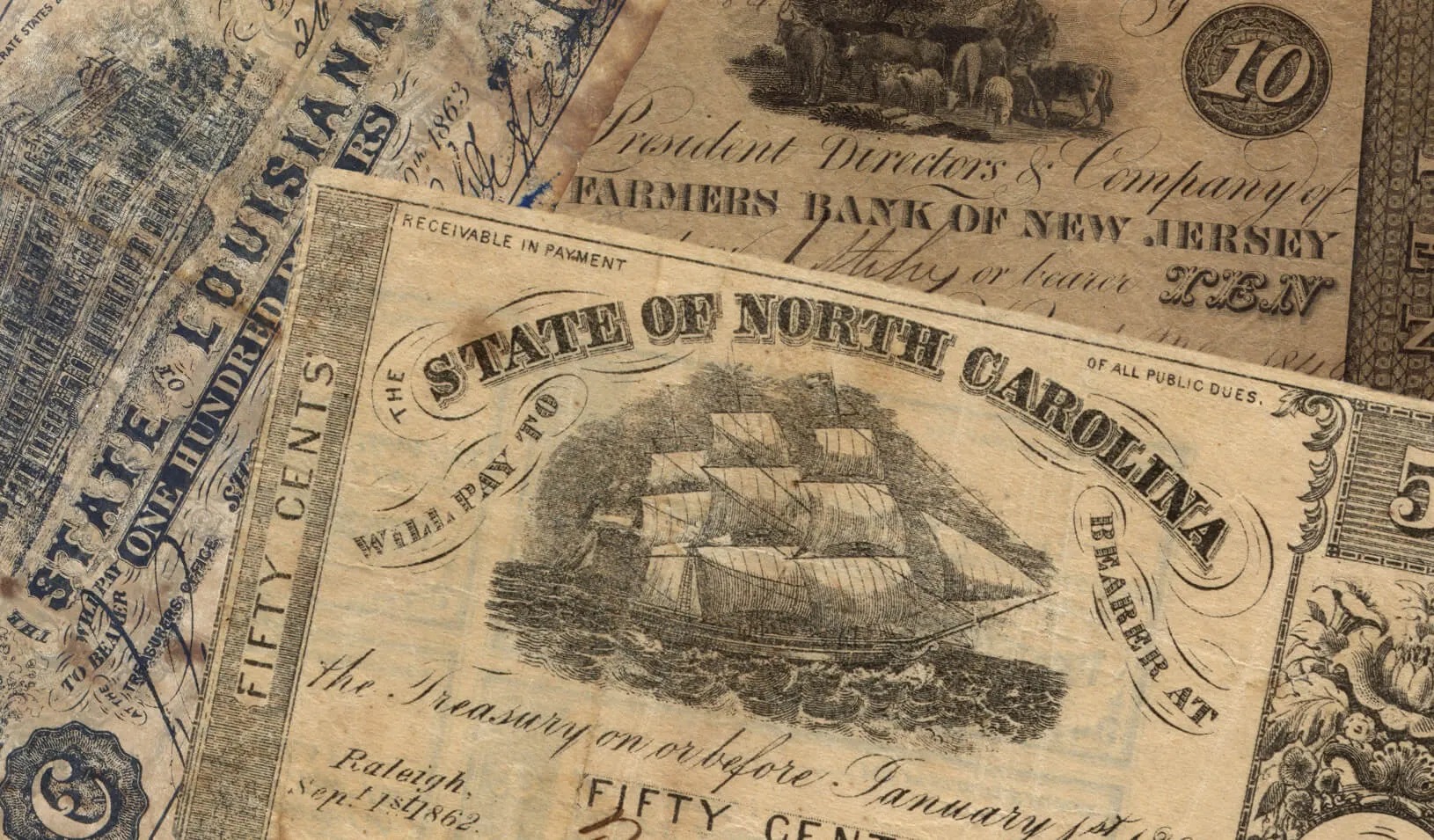
Before the National Banking Act standardized American currency, the Upper Midwest was awash in hundreds of privately issued state banknotes of wildly varying quality, security, and backing. This deep dive into Minnesota and Wisconsin Free Banking Era paper money reveals a fascinating world of frontier finance, depreciated ‘wildcat’ currency, and some of the most visually striking obsolete notes ever printed.

Read More →
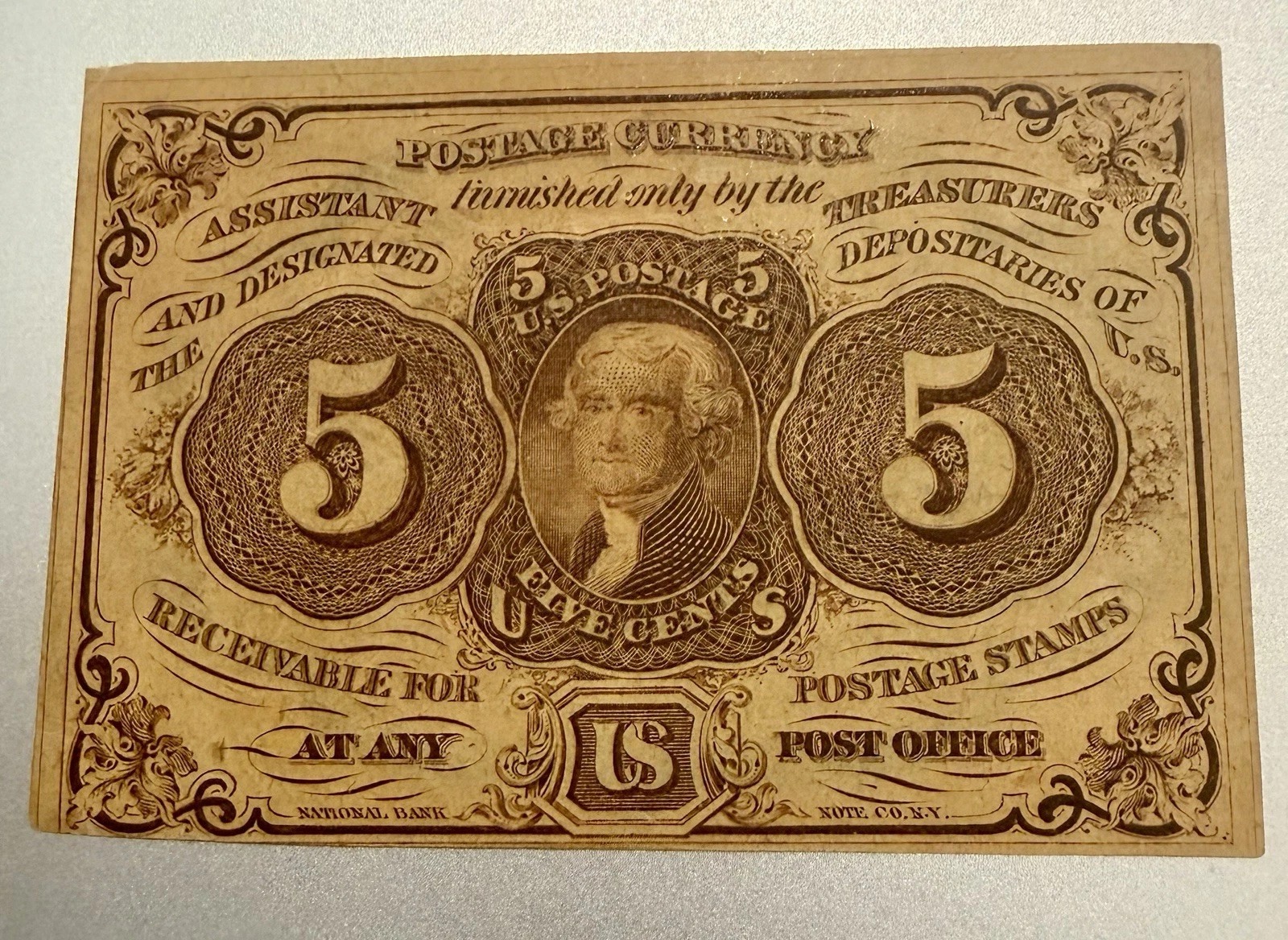
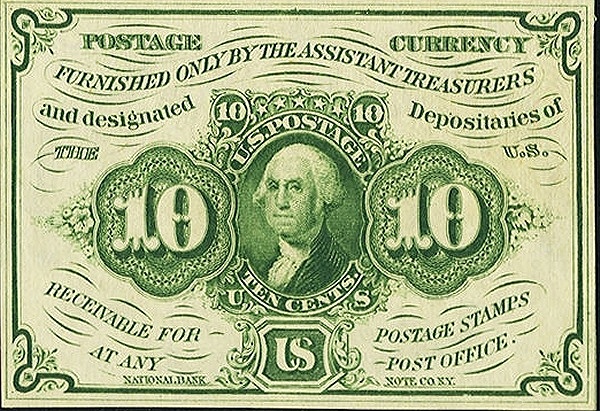
The Coinage Act of 1857 and the End of Foreign Coin Legal Tender: How It Redirected Demand to Paper Money

The Coinage Act of 1857 was a turning point that stripped foreign coins of their legal tender status in the United States, forcing Americans to rethink how they conducted everyday commerce. Understanding this legislative shift reveals why demand for domestic paper currency surged in the years immediately before the Civil War.

Read More →

The First and Second Banks of the United States: Banknotes Before National Currency

Long before the greenback existed, two powerful federal banks issued paper money that shaped a young nation’s economy and left behind some of the rarest collectible notes in American numismatics. Understanding these early issues unlocks a forgotten chapter of US currency history that every serious collector should know.

Read More →

The Mortar Firing at Fort Moultrie Vignette on 1860s Currency: Military Scenes in Wartime American Banknote Design

During the Civil War era, American banknote engravers drew on patriotic military imagery to inspire public confidence in paper currency, and few vignettes capture that spirit more vividly than the mortar-firing scene tied to Fort Moultrie. This deep dive explores the history, catalog specifics, and collecting significance of military imagery on 1860s American paper money.

Read More →

The Phrygian Cap on Fractional Currency: Revolutionary Symbolism on Civil War Small Change

The tiny Phrygian cap printed on Civil War-era fractional currency carried centuries of revolutionary meaning into the pockets of everyday Americans. This guide unpacks the history, varieties, and collector value of these remarkable small-denomination notes.

Read More →

The Last Confederate Treasury Secretary and the Collapse of Southern Currency in April 1865

In the final weeks of the Confederacy, Treasury Secretary George Trenholm and his successor John H. Reagan presided over a currency system in freefall, printing notes that would be worthless within days. Understanding this collapse is essential for collectors navigating the dense, often confusing world of late Confederate paper money.

Read More →

Confederate Currency: Why It Failed and What Collectors Look for Today

The Confederate States of America printed over $1.7 billion in paper currency between 1861 and 1865, creating one of history’s most dramatic monetary collapses. This guide explores the economic forces that doomed Confederate notes and explains exactly what serious collectors look for when building a meaningful collection today.

Read More →

Interest Bearing Notes of the Civil War Era: Seven-Thirty Treasury Notes Explained

The Seven-Thirty Treasury Notes of the 1860s represent one of the most fascinating and underappreciated chapters in American fiscal history, combining the functions of currency and investment instrument at a moment of national crisis. This guide breaks down every issue, signature combination, and collecting nuance so you can confidently pursue these remarkable Civil War relics.

Read More →

The De Soto Discovering the Mississippi Vignette on 1860s Currency: History Behind the Image

One of the most striking vignettes on Civil War era United States currency depicts Hernando de Soto’s legendary 1541 arrival at the Mississippi River, an image that appeared on multiple denominations and note types during the 1860s. Understanding the history behind this engraving, which bank note companies used it, and where to find it today gives collectors a richer appreciation for the artistry and symbolism embedded in antebellum and wartime American paper money.

Read More →

Currency Speculation During Reconstruction: How Southern States Used Federal Notes While Issuing Their Own Scrip

The Reconstruction era produced one of the most chaotic monetary landscapes in American history, as Southern states simultaneously circulated federal greenbacks, Confederate remnants, and locally issued scrip in a desperate bid for economic survival. Understanding this layered currency ecosystem is essential for collectors pursuing Reconstruction-era paper money, where provenance, condition, and issuing authority can mean the difference between a $50 note and a $5,000 treasure.

Read More →