
US Notes

The Coinage Act of 1857 and the End of Foreign Coin Legal Tender: How It Redirected Demand to Paper Money
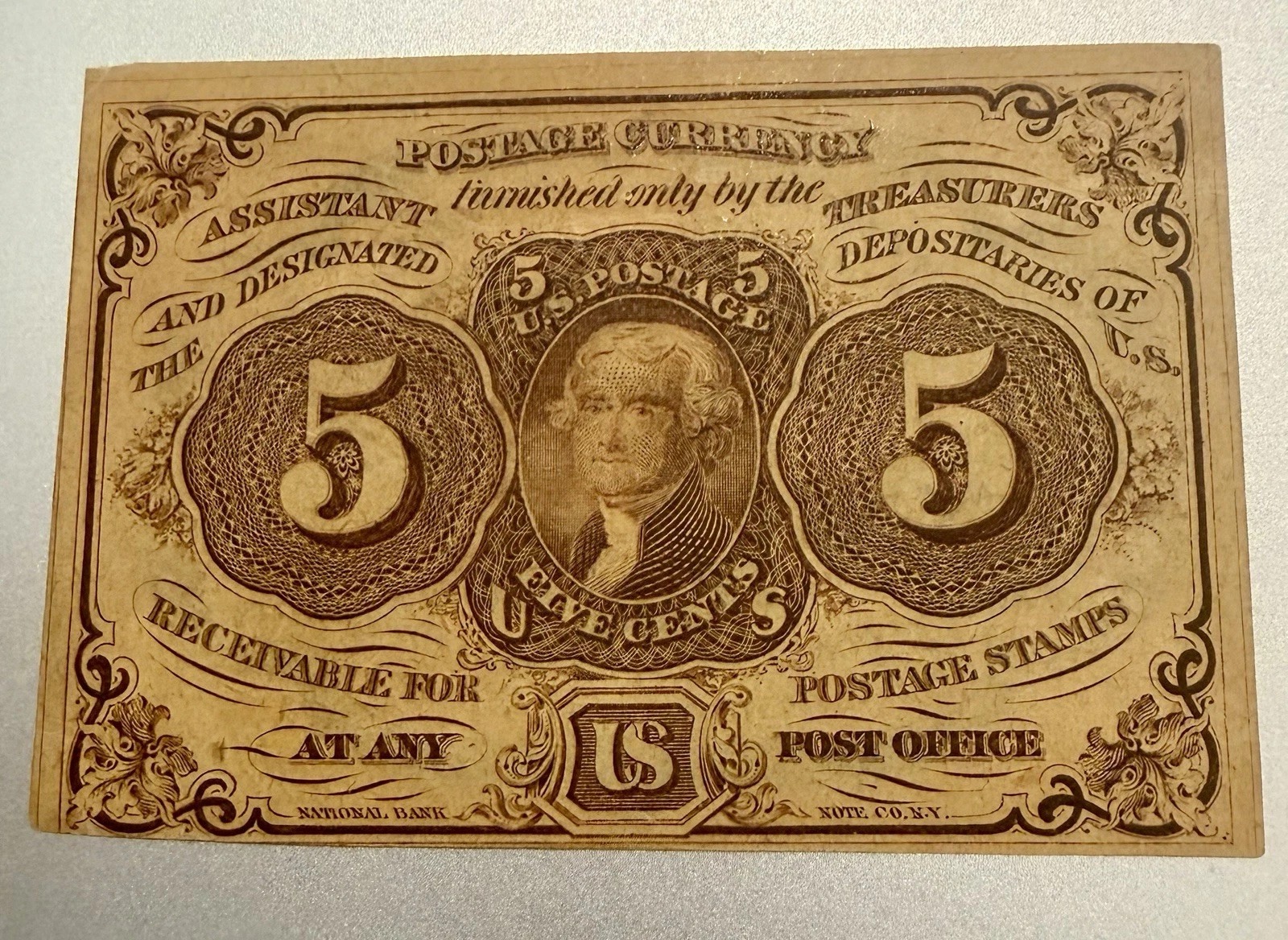
The Coinage Act of 1857 was a turning point that stripped foreign coins of their legal tender status in the United States, forcing Americans to rethink how they conducted everyday commerce. Understanding this legislative shift reveals why demand for domestic paper currency surged in the years immediately before the Civil War.

Read More →

The Sailing Ship Vignette on Early United States Notes: Which Vessels Were Depicted and How Artists Chose Them

The sailing ship vignettes engraved on early United States paper money represent some of the most artistically ambitious work ever produced by the Bureau of Engraving and Printing and its predecessor firms. Understanding which vessels appear on which notes, how engravers selected and adapted their subjects, and what makes certain vignette varieties collectible can transform the way you look at nineteenth-century American currency.

Read More →

Wings Over the Dollar: How the Bald Eagle Evolved as a Currency Motif From Demand Notes to Modern Federal Reserve Notes

The bald eagle has appeared on American paper money in some form for over 160 years, shifting from bold engraved centerpieces to subtle watermarks and security features. Understanding how this symbol changed across series, denominations, and printing technologies reveals a fascinating window into both American monetary history and the art of banknote design.

Read More →