US Notes

The Signatures on US Currency: A Visual History of How Treasury Secretary and Register Autographs Changed from Handwritten to Engraved

The signatures appearing on United States paper money tell a surprisingly rich story about the evolution of American currency production, from hand-signed notes of the 1860s to the precision-engraved facsimiles of today. Understanding signature combinations, their dates of use, and their relative scarcity is one of the most rewarding areas of study for serious currency collectors.

Read More →
Justice and Liberty on the 1869 Rainbow Notes: Allegorical Women in Reconstruction-Era Currency Art

The 1869 Legal Tender ‘Rainbow Notes’ feature some of the most striking allegorical figures ever engraved on American paper money, including personifications of Justice, Liberty, and Commerce that reflect the ideals and anxieties of the Reconstruction era. Understanding these designs unlocks a richer appreciation for the notes as historical documents, not just collectibles.

Read More →

Interest Bearing Notes of the Civil War Era: Seven-Thirty Treasury Notes Explained

The Seven-Thirty Treasury Notes of the 1860s represent one of the most fascinating and underappreciated chapters in American fiscal history, combining the functions of currency and investment instrument at a moment of national crisis. This guide breaks down every issue, signature combination, and collecting nuance so you can confidently pursue these remarkable Civil War relics.

Read More →

The Color Scheme of the 1882 Gold Certificate Brown Back: Why Gold and Orange Were Chosen to Signal Bullion Convertibility

The 1882 Gold Certificate Brown Back series is one of the most visually striking issues in American paper money history, with its warm amber and orange-brown tones carrying deliberate meaning about the note’s bullion-backed status. This article unpacks the design philosophy, printing technology, and collecting landscape surrounding these remarkable large-size notes.

Read More →

The 1929 Banking Consolidation and the Death of Thousands of Small National Banks: What Happened to Their Unredeemed Notes

The banking consolidations and failures of the late 1920s and early 1930s wiped out thousands of small National Banks, leaving behind unredeemed notes that are now among the most prized artifacts in American currency collecting. Understanding what happened to those notes, why so many survived, and how to identify the rarest survivors can transform how you approach a National Bank Note collection.

Read More →

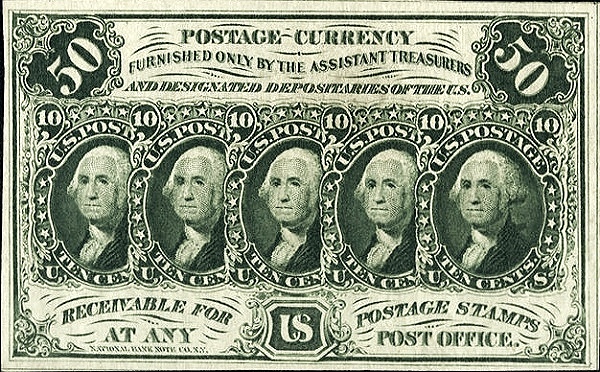
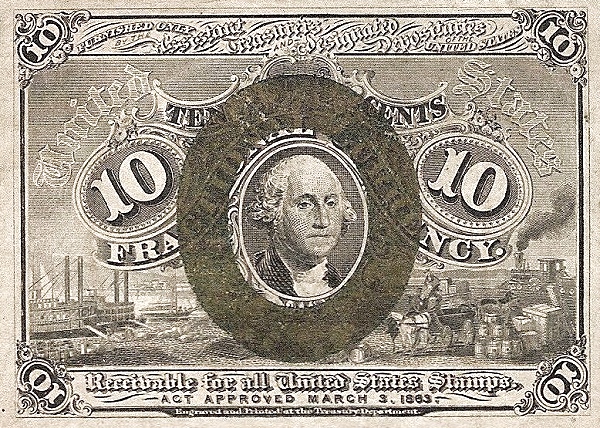
Grading Fractional Currency: Why Centering, Margins, and Embossing Determine Everything in These Tiny Notes

Fractional currency grading is one of the most nuanced disciplines in American paper money collecting, where a millimeter of margin or the depth of a security impression can swing a note’s value by hundreds of dollars. This guide breaks down exactly what PCGS, PMG, and experienced collectors look for when evaluating these Civil War-era miniatures.

Read More →

Federal Reserve Bank Notes Series 1918 $1 Green Eagle Back: District Varieties and Why Boston Issues Lead the Market

The Series 1918 $1 Federal Reserve Bank Note, nicknamed the ‘Green Eagle Back’ for its bold reverse design, stands as one of the most district-diverse large-size collectibles in American paper money. This deep-dive covers every issuing district, signature combinations, print run data, and explains why Boston notes consistently command a premium over their counterparts.

Read More →

The Assassination of President Garfield and Its Unexpected Effect on Currency Portrait Selection in the 1880s

When Charles Guiteau shot President James A. Garfield on July 2, 1881, the political shockwaves reached all the way to the Bureau of Engraving and Printing, reshaping which faces appeared on American paper money for decades. This deep dive explores how mourning, politics, and Treasury Department policy collided to redirect US currency portrait selection in ways that still affect the notes collectors hunt today.

Read More →

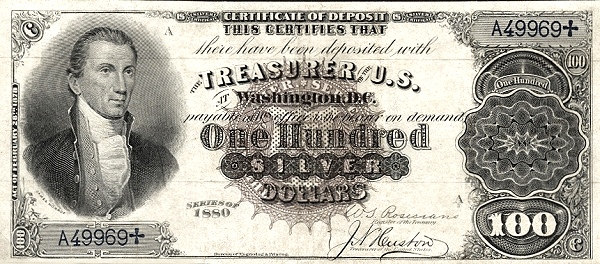
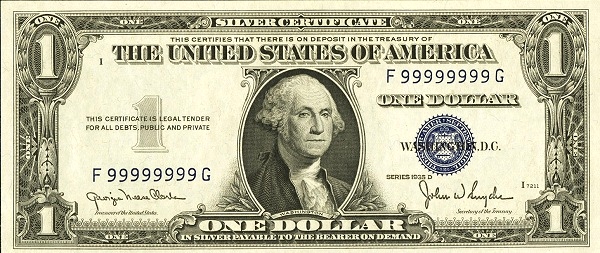
The Hunt Brothers Silver Corner of 1980 and Its Unexpected Effect on Silver Certificate Redemption and Collector Prices

When Nelson Bunker Hunt and William Herbert Hunt drove silver prices to nearly $50 per troy ounce in January 1980, they inadvertently sent shockwaves through the paper money collecting world, reshaping how collectors valued Silver Certificates forever. Understanding this economic earthquake helps modern collectors recognize why certain Silver Certificate series command premiums far beyond their face value today.

Read More →

The Helmeted Head of Minerva on Fractional Currency: Classical Allegory on Small-Change Emergency Notes

During the Civil War and Reconstruction era, the United States turned to classical mythology to grace its smallest emergency currency, placing the helmeted visage of Minerva on several Fractional Currency issues. Understanding these allegorical design choices, their catalog numbers, and their rarity unlocks one of the most fascinating and accessible collecting specialties in American paper money.

Read More →