US Notes

Serial Number Skips and Jumps: When the Numbering Press Malfunctions and Creates Non-Sequential Pairs
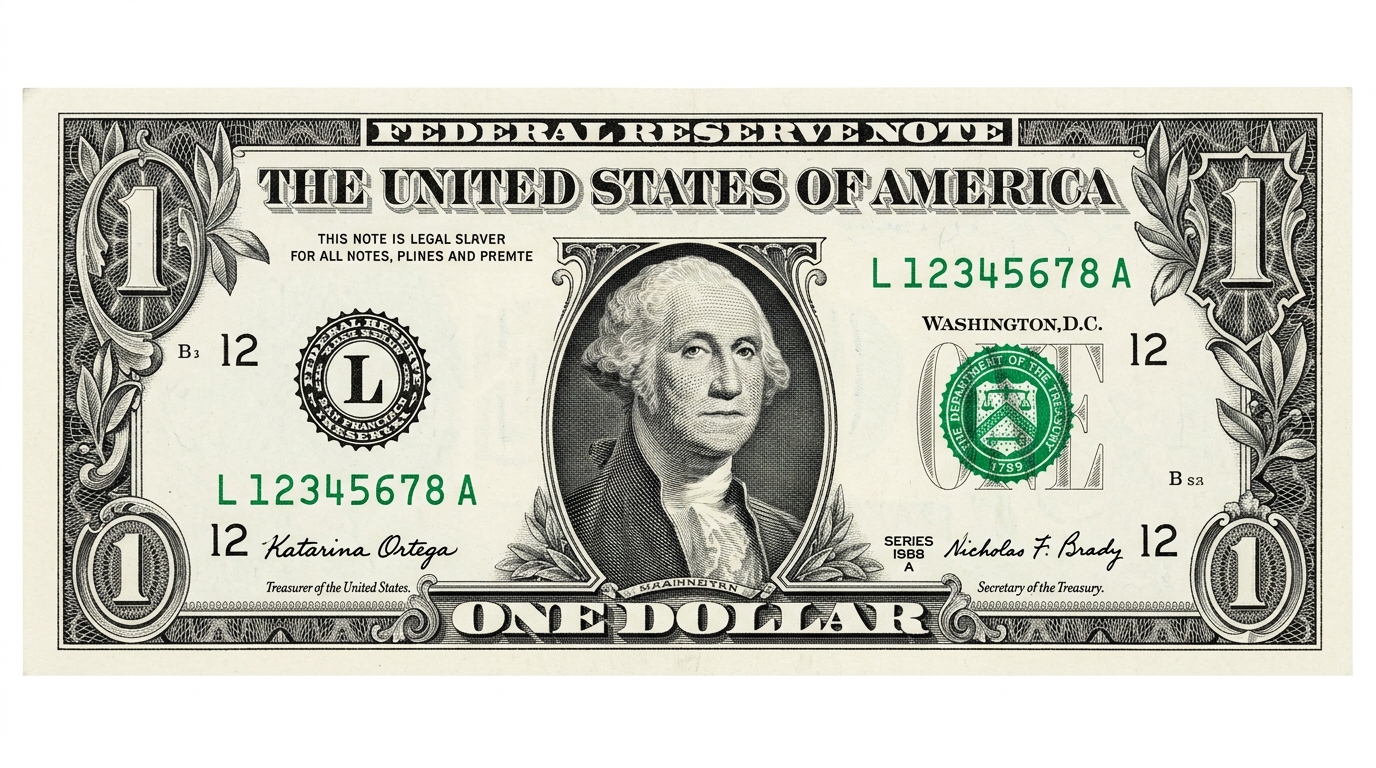
When the Bureau of Engraving and Printing’s numbering presses malfunction, the result can be a fascinating class of error notes featuring serial numbers that skip, repeat, or jump far outside their expected sequence. Understanding these mechanical anomalies separates casual collectors from true error currency specialists.

Read More →

Stuck Digit Errors: When the Numbering Wheel Fails and Creates Repeated Digits in US Currency

Stuck digit errors occur when a wheel in the serial number printing mechanism fails to advance, stamping the same digit repeatedly across a note’s serial number. These mechanical failures produce some of the most visually dramatic and collectible error notes in modern US currency.

Read More →

Federal Reserve Note District Mismatch Errors: When the Wrong Seal Meets the Wrong Serial Number Prefix

District mismatch errors on Federal Reserve Notes occur when a note is printed with a Federal Reserve district seal that does not correspond to its serial number prefix letter, creating one of the most visually dramatic and numismatically significant error types in modern US currency. This guide covers how these errors happen, how to authenticate them, and what collectors should know before buying or selling.

Read More →

Mismatched Serial Number Errors: When the Left and Right Numbers Don’t Match and Why It’s Rarer Than You Think

A mismatched serial number error is one of the most visually dramatic and technically fascinating mistakes in US currency production, yet most collectors have never seen one in person. This guide breaks down exactly how these errors occur, what makes them so elusive, and what to look for when evaluating one for your collection.

Read More →

Serial Number Ink Smear Errors on Small-Size Notes: When Wet Overprint Ink Drags and Creates Streaked Digit Strings

Serial number ink smear errors rank among the most visually dramatic overprint mistakes in small-size U.S. currency, yet many collectors struggle to distinguish a genuine drag smear from a post-printing accident. This guide breaks down the mechanics, authentication markers, major known examples, and current collector values for this fascinating error category.

Read More →

Missing District Letter Errors on Series 1988 Federal Reserve Notes: Notes That Escaped the BEP Without a Federal Reserve Bank Prefix

Among the rarest and most dramatic printing errors in modern Federal Reserve Note production, missing district letter errors on Series 1988 notes represent a genuine failure of quality control at the Bureau of Engraving and Printing. This guide explores what caused these errors, how to identify authentic examples, and what collectors should know before spending serious money on one.

Read More →

Missing Second Printing Errors on Federal Reserve Notes: Collecting Notes Without Seals, Signatures, or Serial Numbers

When the Bureau of Engraving and Printing’s second printing pass fails entirely or partially, the result is some of the most dramatic and collectible error notes in U.S. currency. This guide covers everything from how these errors occur to which specific series command top dollar at auction.

Read More →

Doubled Serial Number Digit Errors: When a Single Numbering Wheel Strikes Twice on the Same Position and What These Sell For

Doubled serial number digit errors rank among the most visually dramatic and mechanically fascinating misprints in U.S. paper money collecting, yet they remain widely misunderstood even by experienced hobbyists. This guide breaks down exactly how these errors occur, how to authenticate them, and what the current market looks like from common examples to genuine showstoppers.

Read More →

Repeated District Letter Errors on Federal Reserve Notes: When the FRB Prefix Appears Twice in the Serial Number Block

Among the rarest and most visually striking error notes in modern U.S. currency collecting, repeated district letter errors occur when the Federal Reserve Bank prefix letter is inadvertently duplicated within the serial number block. This deep-dive explores how these errors happen, which series and districts produce the most collectible examples, and what collectors should know before adding one to their portfolio.

Read More →