
US Notes

Silent Destroyers: How Humidity, Mold, and Foxing Devastate Paper Currency Collections

Environmental damage is the leading cause of value loss in paper currency collections, yet most collectors underestimate the threat until it is too late. This guide explains exactly how humidity, foxing, and biological growth attack your notes, with practical steps to stop the damage before it starts.

Read More →
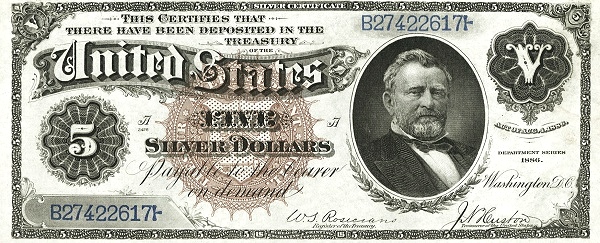
PMG Very Fine 30 vs. Extremely Fine 40 for Large-Size Notes: A Practical Field Comparison

The single grade point separating PMG Very Fine 30 and Extremely Fine 40 can mean hundreds of dollars on a desirable large-size note, yet many collectors struggle to articulate the difference in hand. This guide walks through every diagnostic criterion, with real examples from Series 1899 Silver Certificates to 1922 Gold Certificates, so you can grade confidently before you bid.

Read More →

Climate vs. Currency: How Desert Southwest and Humid Southeast Conditions Shape Long-Term Banknote Preservation

Where you live may be the single biggest variable in how well your currency collection survives the decades. This deep-dive compares preservation outcomes across America’s most extreme climate zones and gives collectors actionable strategies for every environment.

Read More →

How Graders Evaluate Paper Strength in Large-Size Notes: Split, Soft, and Brittle Paper and the Grades They Earn

Paper strength is one of the most misunderstood yet critical factors in large-size note grading, capable of dropping an otherwise attractive note by two or three full grade points. This guide breaks down exactly how PCGS Currency and PMG evaluators assess split, soft, and brittle paper conditions, with specific examples from popular large-size series and the grade penalties each defect earns.

Read More →

Solid Serial Numbers: The Rarest Fancy Notes and Their Market Values

Solid serial numbers, where every digit is identical, represent the holy grail of fancy note collecting, with some combinations commanding prices 50 to 100 times face value. This guide breaks down exactly which solids are truly rare, what they sell for today, and how to build a meaningful collection around them.

Read More →

The CVF 35 EPQ Designation for National Bank Notes: How Original Paper Quality Rewrites the Market Value Equation

A Choice Very Fine 35 EPQ National Bank Note can command dramatically different prices than its non-EPQ counterpart, yet many collectors still underestimate what that three-letter suffix actually means. This deep-dive explores how paper quality grading works for National Bank Notes, which series benefit most from EPQ designation, and how to spot original surfaces before you spend serious money.

Read More →

How to Grade National Bank Notes: Special Considerations for Rare and Unique Issues

Grading National Bank Notes requires a completely different mindset than grading modern Federal Reserve issues, with unique factors like bank charter rarity, geographic scarcity, and territorial designations dramatically shifting a note’s true collector value. This in-depth guide walks you through every grading consideration, from surface preservation to population reports, so you can confidently evaluate these irreplaceable pieces of American banking history.

Read More →