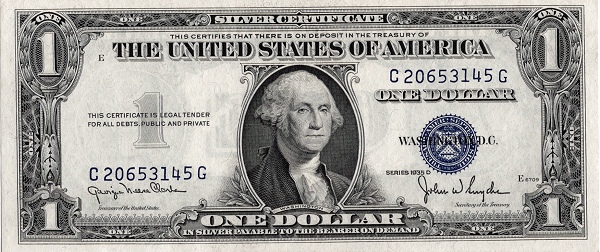
US Notes

The 63 vs. 64 Boundary: What Separates Choice Uncirculated from Near Choice and Why One Point Can Mean Hundreds of Dollars

A single point on the Sheldon grading scale can transform a $400 note into a $900 note overnight, yet the criteria separating MS-63 from MS-64 remain among the most debated in paper money collecting. This deep dive breaks down exactly what graders look for at the critical 63/64 boundary and how collectors can train their eyes to see the difference.

Read More →
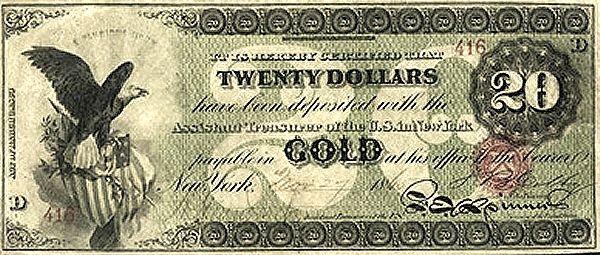
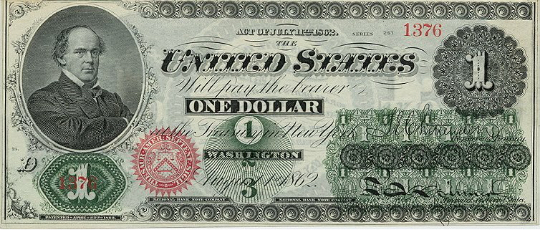
Small-Size Gold Certificates Series 1928: The Short-Lived Yellow Seal Notes That Defined an Era

The Series 1928 Gold Certificates represent one of the most historically charged issues in all of American paper money, printed and recalled within a single decade as the nation abandoned the gold standard. From the vivid yellow Treasury seals to the specific signature combinations that make certain notes scarcer than others, this guide covers everything a collector needs to know about these fascinating notes.

Read More →

Beyond the Battlefield: How Military Payment Certificates Fought the Black Market in Korea and Vietnam

Military Payment Certificates were the US government’s ingenious weapon against black market currency abuse in Korea and Vietnam, creating a parallel monetary system that could be swapped out overnight. For collectors today, these colorful, artist-designed notes represent one of the most fascinating and historically rich niches in American paper money.

Read More →

EPQ vs. PPQ Explained: Why Those Three Letters Can Double the Value of Your Currency Note

The EPQ and PPQ qualifiers assigned by PCGS Currency and PMG can dramatically affect what a note is worth and whether it belongs in a top-tier collection. Understanding exactly what these designations mean, how graders apply them, and when they truly matter is essential knowledge for any serious currency collector.

Read More →

Fading vs. Toning on Silver Certificates: How Blue Seal Color Loss Affects Your Note’s Grade

The blue Treasury seal on Silver Certificates is one of the most grading-sensitive elements in all of U.S. paper money collecting, and distinguishing problematic fading from acceptable natural toning can mean hundreds of dollars in value. This guide breaks down exactly how professional graders evaluate seal color, what causes each type of color change, and how collectors can protect and identify their Silver Certificates with confidence.

Read More →

The PMG Population Report: Using Census Data to Find Conditionally Rare Notes

The PMG Population Report is one of the most powerful and underused tools in a currency collector’s arsenal, revealing which notes are genuinely scarce in top grades versus merely old. This guide shows you exactly how to read pop report data, identify conditionally rare opportunities, and build a smarter collection using real census numbers.

Read More →

Third Printing Errors: Misaligned Serial Numbers and Seals on Modern Federal Reserve Notes

When the Bureau of Engraving and Printing’s third printing stage goes wrong, the result is some of the most visually dramatic and collectible error currency in modern numismatics. This guide breaks down exactly how misaligned serial number and seal errors occur, which specific series to hunt for, and what these striking mistakes are worth in today’s market.

Read More →

Demand Notes of 1861: America’s First Federal Paper Currency

The Demand Notes of 1861 represent a pivotal moment in American financial history, marking the federal government’s first foray into paper currency during the Civil War crisis. For collectors, these rare and storied notes offer a tangible connection to the birth of the modern American monetary system.

Read More →

Grading Small-Size Notes vs. Large-Size Notes: Why the Standards Differ Between Eras

Grading a 1922 $10 Gold Certificate by the same standards as a 1963 Federal Reserve Note is a recipe for frustration and costly mistakes. This deep-dive explains exactly why large-size and small-size currency demand different grading approaches, and how understanding those differences can sharpen your eye and protect your wallet.

Read More →

Missing Overprint Errors: Notes That Left the BEP Without Serial Numbers or Seals

Among the most dramatic and visually striking error notes in American currency collecting, missing overprint errors represent a complete failure of one of the Bureau of Engraving and Printing’s final production steps. Whether a note escaped without serial numbers, Treasury seals, or both, these pieces command serious collector attention and can fetch thousands of dollars at auction.

Read More →