US Notes

Faces of Money: How the BEP Chose Which Portraits Appeared on Which Denominations

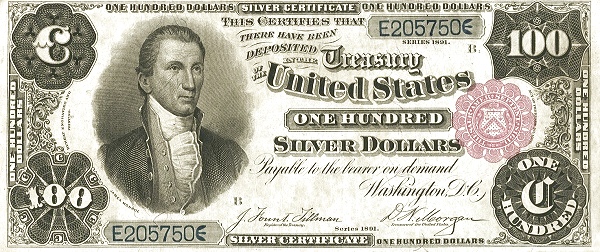
The portraits on US currency were not chosen by artists or historians alone. Behind every face on every bill lies a fascinating intersection of political maneuvering, aesthetic debate, Congressional pressure, and Treasury Department policy stretching back more than 150 years. Understanding this history gives collectors a richer appreciation for the notes they hold and sharper insight into why certain portrait changes make specific series so collectible.

Read More →
The Lincoln Memorial Under Construction: How the 1923 $5 Silver Certificate Depicted a Building Not Yet Complete

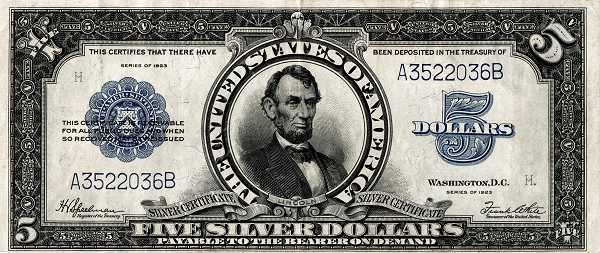
The 1923 $5 Silver Certificate captured an extraordinary historical moment, featuring the Lincoln Memorial on its reverse at a time when the monument had barely opened to the public. For collectors, this note represents a fascinating intersection of architectural history and currency design that makes it one of the most narratively rich pieces in any collection.

Read More →

The Series 1886 $5 Silver Certificate Morgan Dollar Back: The Most Collectible Five-Dollar Large-Size Note

The Series 1886 $5 Silver Certificate with its iconic Morgan dollar reverse is one of the most visually stunning and historically significant large-size notes ever produced by the Bureau of Engraving and Printing. From its multiple signature varieties to its complex grading challenges, this guide covers everything a collector needs to know before pursuing this legendary five-dollar note.

Read More →

How the Spanish-American War of 1898 Strained the Bureau of Engraving and Printing: Stamps, Bonds, and the Battle for Federal Currency Production

The four-month conflict of 1898 forced the Bureau of Engraving and Printing into a production crisis that reshaped how the federal government printed money, stamps, and war bonds simultaneously. Collectors who understand this period gain critical context for dating transitional notes, identifying overworked press signatures, and spotting the fiscal instruments that financed America’s first overseas war.

Read More →

The 1923 $5 Silver Certificate Porthole Note: Abraham Lincoln Behind the Oval Window

The Series 1923 $5 Silver Certificate, nicknamed the ‘Porthole Note’ for its striking oval portrait of Abraham Lincoln, stands as one of the most visually distinctive large-size notes ever issued by the United States Treasury. This deep dive covers its design history, signature varieties, survival rates, and what collectors should know before pursuing one of these century-old beauties.

Read More →

The Federal Reserve Seal Redesign of 1969: From Black Regional Seals to Unified Federal Seals

In 1969, Federal Reserve Notes underwent one of the most visually significant changes in twentieth-century American currency: the replacement of district-specific black seals with a single unified Federal Reserve seal. Understanding this transition is essential for collectors dating notes, identifying varieties, and appreciating why certain pre-1969 series command serious premiums.

Read More →

The BEP in World War I: Printing Liberty Bonds, Stamps, and Currency Under Wartime Pressure

When the United States entered the First World War in April 1917, the Bureau of Engraving and Printing faced an unprecedented production crisis, churning out billions in Liberty Bonds, war stamps, and currency while its workforce was depleted by military service. Understanding this era unlocks some of the most historically significant and underappreciated notes in American numismatics.

Read More →

The 1896 Educational Series: The Most Beautiful Notes Ever Printed by the BEP

The 1896 Educational Series Silver Certificates stand apart from every other issue in American currency history, featuring allegorical artwork so breathtaking that Congress ultimately forced the Bureau of Engraving and Printing to abandon the design. For collectors, these notes represent the pinnacle of the engraver’s art, and understanding their varieties, condition sensitivities, and market dynamics is essential before pursuing them.

Read More →

The Running Antelope on the 1899 $5 Silver Certificate: The Most Controversial Portrait Choice in US Currency History

The 1899 $5 Silver Certificate features the only Native American portrait ever printed on US paper currency, and the story behind it is far more complicated than most collectors realize. From the identity dispute surrounding Running Antelope to the spectacular engraving work of the Bureau of Engraving and Printing, this note remains one of the most historically significant and visually stunning pieces in American numismatics.

Read More →

The BEP Labor Strikes of the Early 20th Century: How Worker Unrest Interrupted Currency Production and Left Gaps in Print Runs

Between 1900 and 1920, a series of labor strikes at the Bureau of Engraving and Printing disrupted federal currency production in ways that left permanent marks on print run data and created genuine collecting opportunities that most hobbyists overlook. Understanding when presses stopped and why can help today’s collectors identify low-mintage notes that flew under the radar for decades.

Read More →