US Notes

Eagles, Shields, and Flags: Patriotic Symbolism Across US Currency Designs
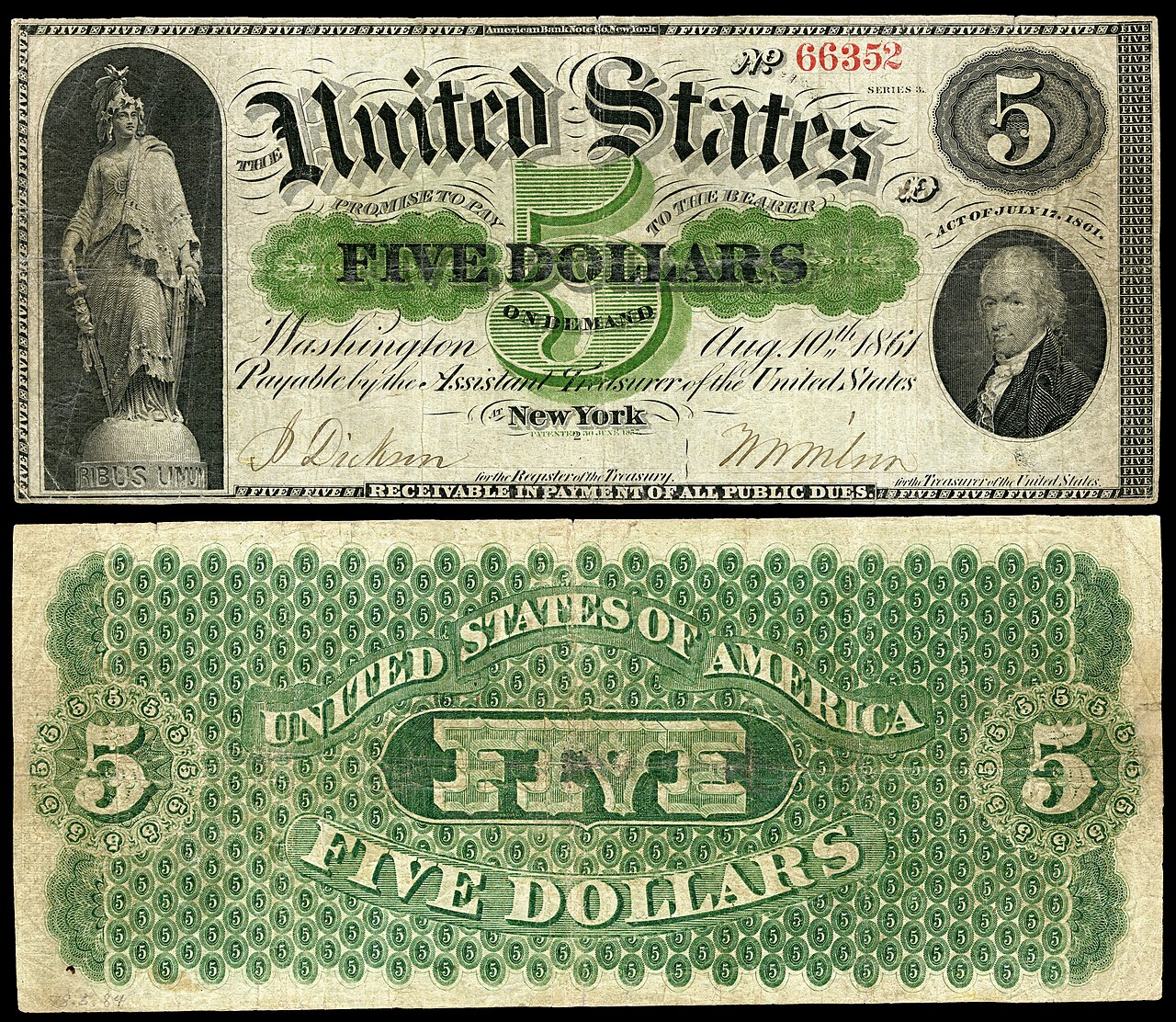
From the fierce bald eagle on early National Bank Notes to the subtle flag imagery woven into modern Federal Reserve Notes, patriotic symbols have shaped American currency design for over 150 years. Understanding this visual language unlocks new layers of appreciation for the notes in your collection.

Read More →
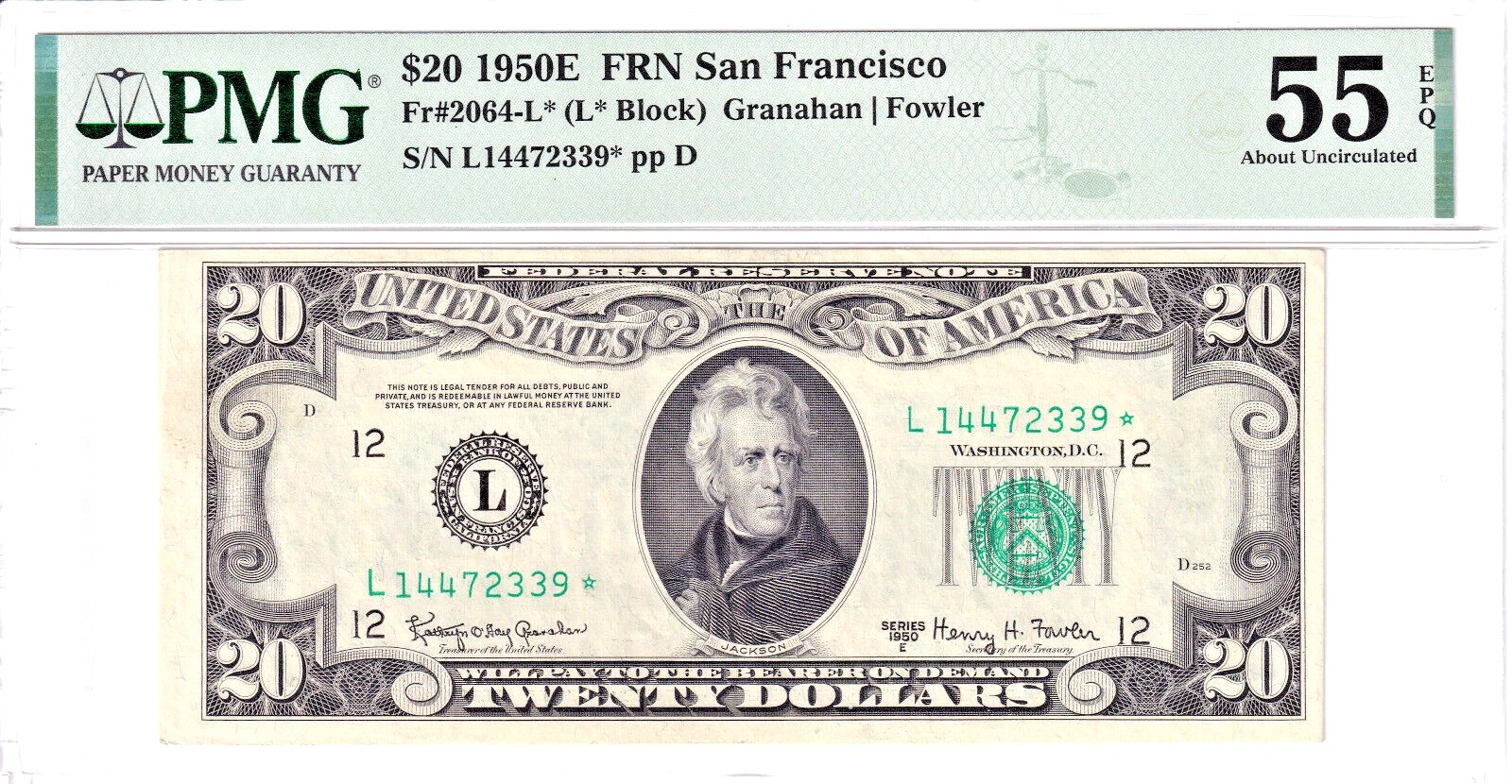
Federal Reserve Notes Series 1950E $20: The Scarcest Suffix Letter of the Postwar Era Explained

The Series 1950E $20 Federal Reserve Note represents one of the most dramatic print-run disparities in postwar American currency, with certain district issues ranking among the genuinely scarce collectibles of the mid-century era. Understanding why this series ended so abruptly, which districts are hardest to find, and how to evaluate condition are essential skills for any serious large-denomination collector.

Read More →

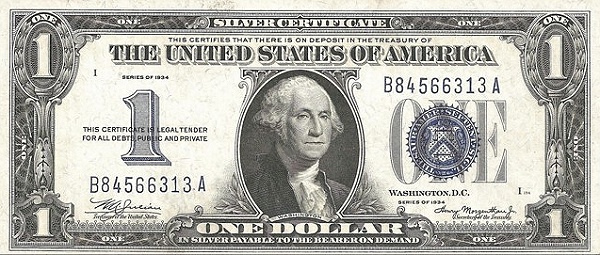
The Series 1934A $1 Silver Certificate Experimental Issues: Identifying the R and S Varieties by Serial Number Range

In 1944, the Bureau of Engraving and Printing conducted a quiet but historically significant experiment on ordinary $1 Silver Certificates, printing select notes on two different paper stocks and marking them with a red ‘R’ or ‘S’ suffix to track results. Understanding how to identify these experimental varieties by their serial number ranges opens the door to one of the most fascinating and accessible specialty areas in small-size note collecting.

Read More →

Series 1981A $1 Federal Reserve Note: How to Identify the Transitional Printing Differences from the 1981 Series

The Series 1981A $1 Federal Reserve Note marks a subtle but significant transitional moment in Bureau of Engraving and Printing history, with key differences in plate letter positioning, overprint characteristics, and signature combinations that most collectors overlook. Understanding these distinctions not only sharpens your eye for authentication but can reveal genuinely scarce varieties hiding in plain sight.

Read More →

Federal Reserve Notes Series 1950A $5: Signature Varieties, Star Notes, and the Districts That Printed the Fewest

The Series 1950A $5 Federal Reserve Note is one of the most underappreciated mid-century collectibles, featuring a single signature pairing and dramatic print run disparities across the twelve Federal Reserve Districts. Whether you’re hunting star notes or chasing the low-mintage outliers from Minneapolis or Dallas, this guide gives you the data and context you need.

Read More →

How to Interpret the PMG Grading Scale for National Bank Notes: When Rarity of the Bank Overrides Condition in the Market

PMG grades tell you the condition of a National Bank Note, but they cannot tell you how rare the issuing bank actually is — and that gap is where real collector value lives. This guide breaks down how seasoned numismatists reconcile census data, charter numbers, and market realities to make smarter buying decisions.

Read More →

The Architecture of American Currency: Buildings Depicted on US Notes Through History

From the stately columns of the Treasury Building to the iconic dome of the Capitol, America’s most recognizable structures have graced federal banknotes for over 160 years. This deep dive into the architectural imagery on US currency reveals surprising design choices, forgotten buildings, and the collector insights hidden in plain sight on every note in your wallet.

Read More →

The Reverse Design of the Series 1934 $500 Federal Reserve Note: An Understated but Elegant Layout

The Series 1934 $500 Federal Reserve Note carries one of the most quietly sophisticated reverse designs in American currency history, blending classical engraving traditions with the functional austerity of the New Deal era. Collectors who take the time to study its layout discover a composition that rewards close examination and speaks volumes about the Bureau of Engraving and Printing’s craft at its peak.

Read More →

The Series 1891 $1 Silver Certificate: Stanton, Martha Washington, and the Transition Between Portrait Subjects

The Series 1891 $1 Silver Certificate stands at a fascinating crossroads in American currency design, featuring two entirely different portrait subjects across its signature combinations. Understanding the shift from Edwin M. Stanton to Martha Washington reveals as much about political priorities as it does about numismatic treasure.

Read More →

The Eagle and Shield on the Reverse of the 1882 National Bank Note Brown Back: Heraldic Symbolism in Gilded Age Currency

The 1882 Brown Back National Bank Note series features one of the most elaborately heraldic reverse designs in American currency history, blending patriotic symbolism with the self-confident aesthetic of the Gilded Age. Understanding the eagle and shield imagery on these notes unlocks both their historical context and their enduring appeal to serious collectors.

Read More →