
US Notes

Obstruction Foldover Errors on Series 1977 Federal Reserve Notes: When Paper Debris Causes Blank Sections in the Portrait Area

Obstruction foldover errors on Series 1977 Federal Reserve Notes rank among the most visually dramatic printing mistakes in modern US currency, creating ghostly blank voids where presidential portraits should appear. This guide breaks down exactly how these errors occur, which 1977 districts and denominations are most collectible, and what separates a mid-grade curiosity from a four-figure certified specimen.

Read More →
The Series 1891 $20 Silver Certificate: The Daniel Manning Portrait and Its Surprisingly Low Survivor Population

The Series 1891 $20 Silver Certificate featuring Treasury Secretary Daniel Manning is one of the most overlooked treasures in large-size currency collecting, with a survivor population so thin that even worn examples command serious premiums. This deep-dive explores the note’s historical context, signature varieties, grading challenges, and what collectors should know before hunting one down.

Read More →

The Series 1935E $1 Silver Certificate Experimental Variety: Identifying the Unique Paper Trial Notes Produced in Limited Quantity

The Series 1935E $1 Silver Certificate experimental variety represents one of the most intriguing production anomalies in mid-20th century American currency history, born from the Bureau of Engraving and Printing’s post-World War II effort to find a more durable paper stock. Understanding how to identify these scarce trial notes, distinguish them from standard 1935E issues, and assess their collector value can open a rewarding specialty within Silver Certificate collecting.

Read More →

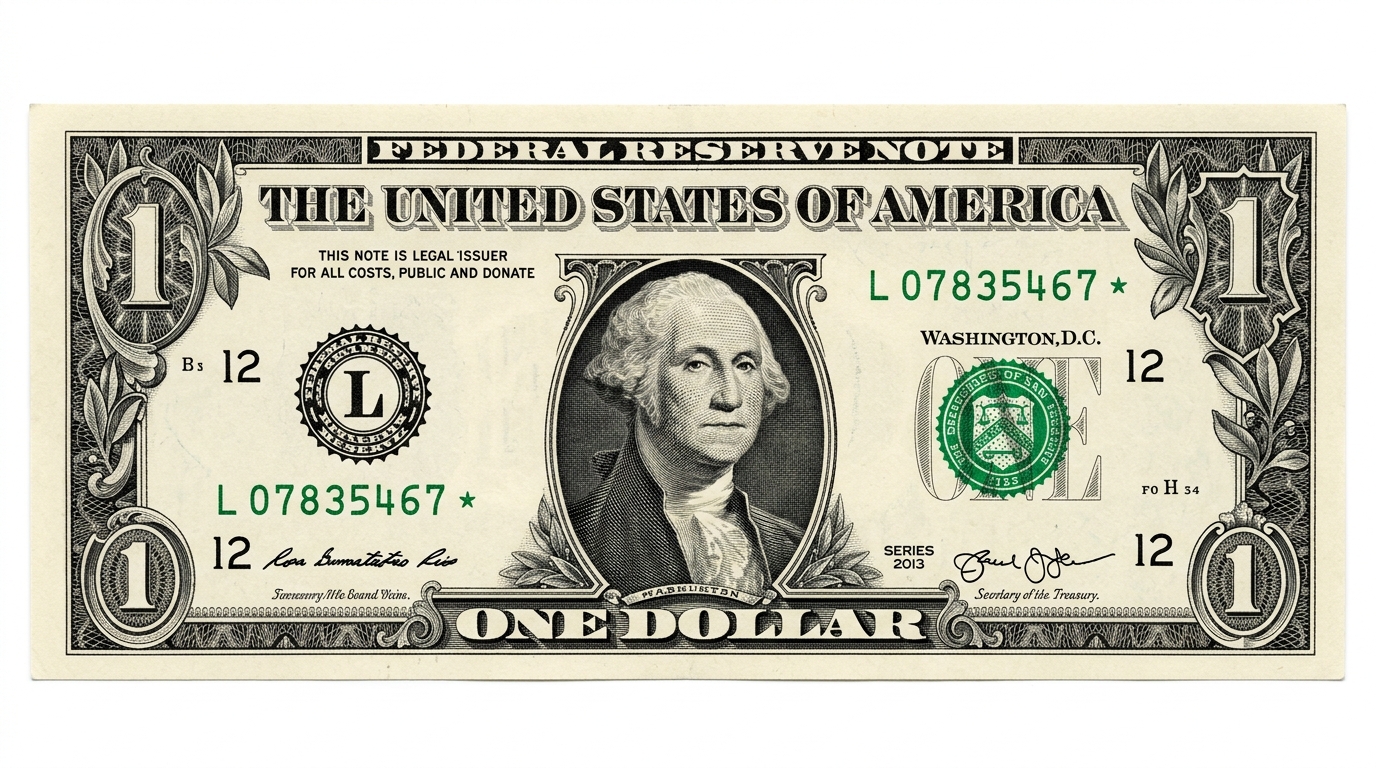
Star Notes: The Complete Collector’s Guide to Federal Reserve Replacement Notes

Star notes are among the most sought-after varieties in modern US paper money collecting, with some low-print runs fetching hundreds of times face value. This guide breaks down exactly what makes a star note special, which series and districts to target, and how to build a meaningful collection.

Read More →