US Notes

The Series 1923 $50 Gold Certificate: Ulysses Grant’s Golden Portrait in the Final Chapter of Large-Size Currency
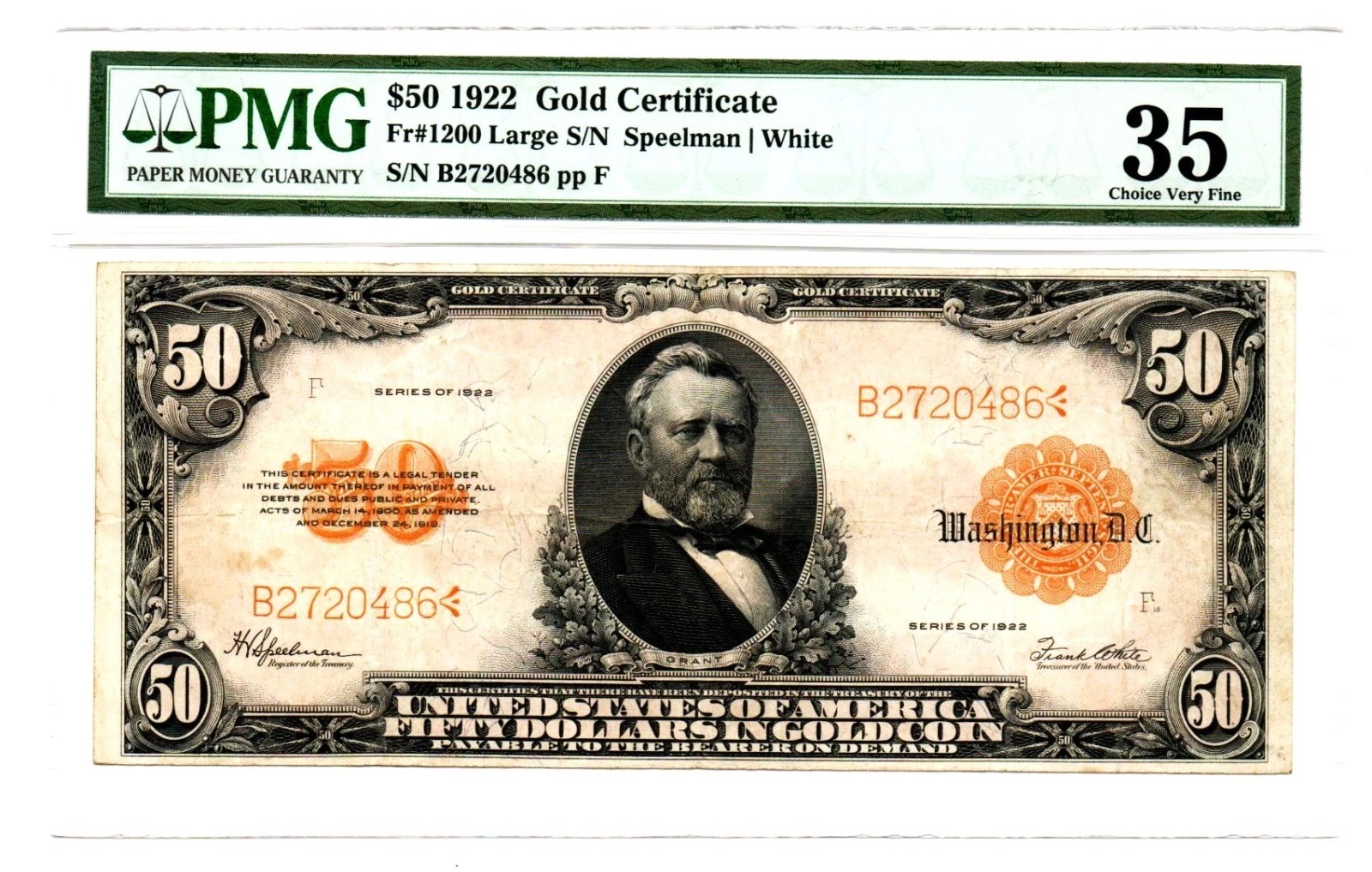
The Series 1923 $50 Gold Certificate stands as one of the most visually commanding and historically significant notes ever produced by the United States Treasury, representing the last gasp of large-format currency production before the dramatic 1929 size reduction. Collectors who manage to locate a well-preserved example own a genuine artifact bridging two distinct eras of American paper money.

Read More →
The Bureau of Engraving and Printing’s Public Gallery: A Century of Educating Visitors About American Currency

For over a century, the Bureau of Engraving and Printing has opened its doors to millions of curious visitors, offering an unparalleled look at how America’s paper money is designed, printed, and finished. Understanding the BEP’s public tour history adds rich context to any currency collection and reveals the fascinating intersection of security, craftsmanship, and public transparency.

Read More →

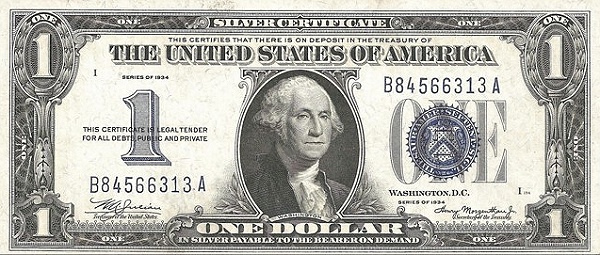
The Series 1934A $1 Silver Certificate Experimental Issues: Identifying the R and S Varieties by Serial Number Range

In 1944, the Bureau of Engraving and Printing conducted a quiet but historically significant experiment on ordinary $1 Silver Certificates, printing select notes on two different paper stocks and marking them with a red ‘R’ or ‘S’ suffix to track results. Understanding how to identify these experimental varieties by their serial number ranges opens the door to one of the most fascinating and accessible specialty areas in small-size note collecting.

Read More →

The Spread Eagle Vignette on 1860s United States Notes: How the BEP’s Master Engravers Depicted American Power

The fierce spread eagle vignettes gracing 1860s United States Notes were not mere decoration but carefully engineered symbols of national sovereignty, executed by some of the finest steel engravers the country ever produced. Understanding who carved these images, how they evolved across denominations, and what distinguishes the finest examples makes these Civil War-era notes among the most compelling pieces in American numismatic history.

Read More →

The Architecture of American Currency: Buildings Depicted on US Notes Through History

From the stately columns of the Treasury Building to the iconic dome of the Capitol, America’s most recognizable structures have graced federal banknotes for over 160 years. This deep dive into the architectural imagery on US currency reveals surprising design choices, forgotten buildings, and the collector insights hidden in plain sight on every note in your wallet.

Read More →

The American Bank Note Company: How Private Engravers Shaped US Currency Before the BEP Took Over

Before the Bureau of Engraving and Printing consolidated federal currency production, the American Bank Note Company and its rival firms were the trusted craftsmen behind some of America’s most beautifully engraved paper money. Understanding this forgotten chapter of private currency production reveals why early federal notes look so different from anything printed after 1877.

Read More →

Original Embossing on Intaglio-Printed Notes: What It Looks Like, How to Feel It, and Why Graders Reward It

The raised, tactile texture of intaglio printing is one of the most telling signs of a genuinely uncirculated banknote, yet many collectors overlook it entirely. Learn how to identify, preserve, and leverage original embossing when buying, grading, and upgrading your collection.

Read More →

The Reverse Design of the 1896 $5 Educational Silver Certificate: Grant and Sheridan as Icons of Union Victory

The reverse of the 1896 $5 Educational Silver Certificate features one of the most ambitious and artistically daring designs ever placed on American paper money, pairing the portraits of Ulysses S. Grant and Philip Sheridan within an allegory of military triumph. Understanding the iconography, the artists behind it, and the political context of this extraordinary note reveals why collectors and historians alike consider it a crown jewel of 19th-century American currency.

Read More →

Partial Back-to-Face Offset Errors: When Wet Ink Transfers Between Sheets and Creates Ghost Images

Partial back-to-face offset errors rank among the most visually dramatic printing mistakes in modern U.S. currency production, producing ghostly mirror images that haunt the face of a banknote. Understanding exactly how these errors happen, which series produced the most collectible examples, and how to authenticate them can transform how you approach the error note market.

Read More →

Federal Reserve Notes Series 1981A $5: Why This Series Has More Plate Varieties Than Any Other Postwar Five-Dollar Issue

The Series 1981A $5 Federal Reserve Note is a collector’s puzzle box, hiding more back plate varieties and face plate combinations than any other postwar Lincoln five. Understanding why these varieties exist, and which ones to chase, can transform a seemingly common note into a fascinating specialist pursuit.

Read More →