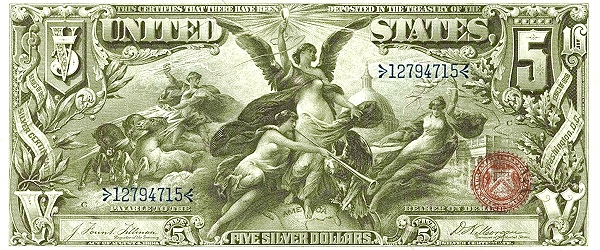
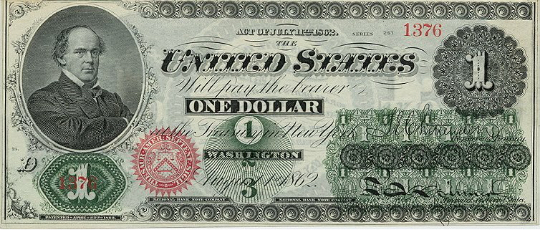
US Notes

The New Portrait Style of the 1996 Series: Why Benjamin Franklin’s Face Got Bigger

In 1996, the Federal Reserve dramatically redesigned the $100 bill, enlarging Benjamin Franklin’s portrait and shifting it off-center in the most significant visual overhaul of American currency in decades. Understanding what drove those changes, and how they affect collectibility today, is essential knowledge for any serious note collector.

Read More →
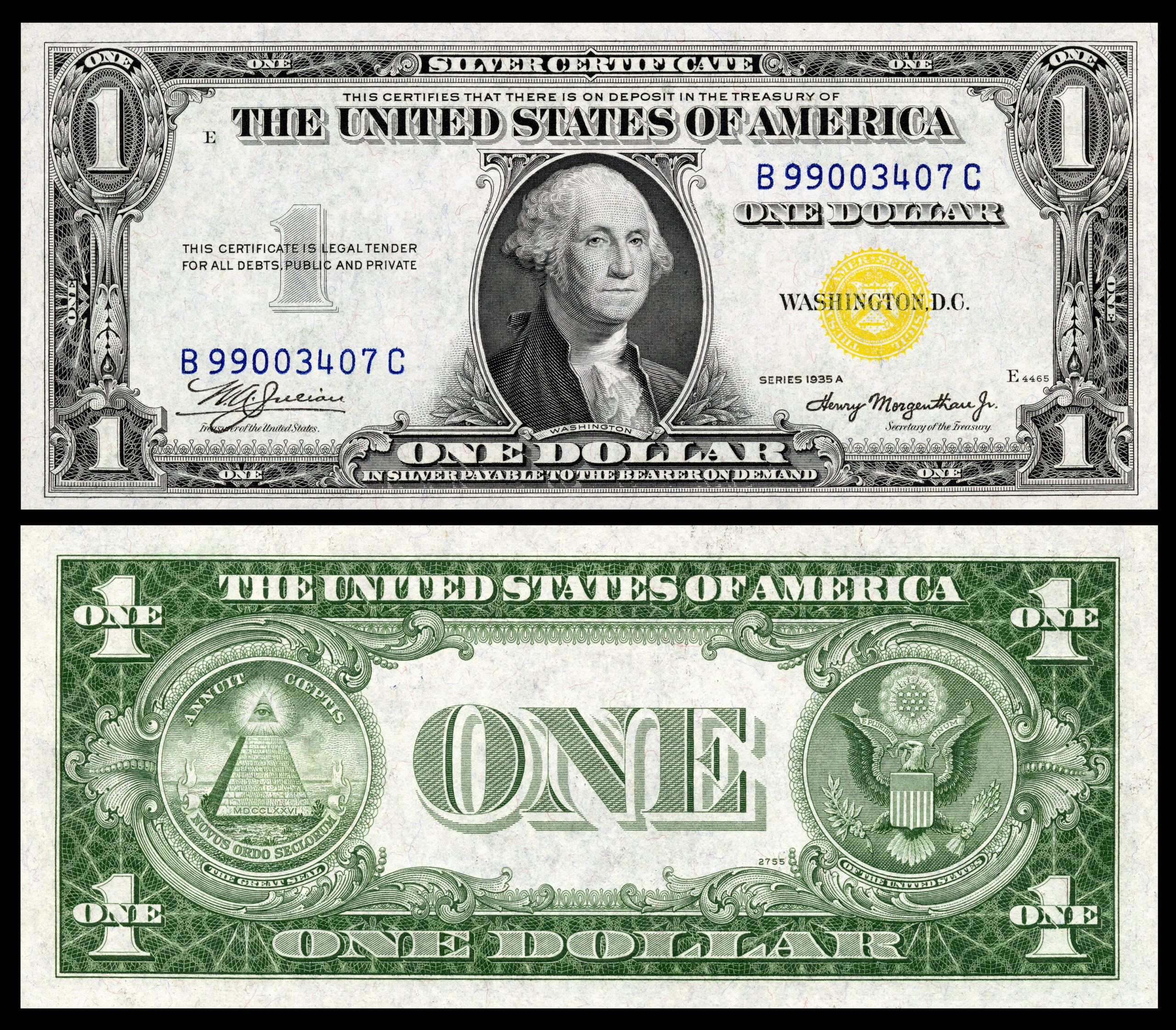
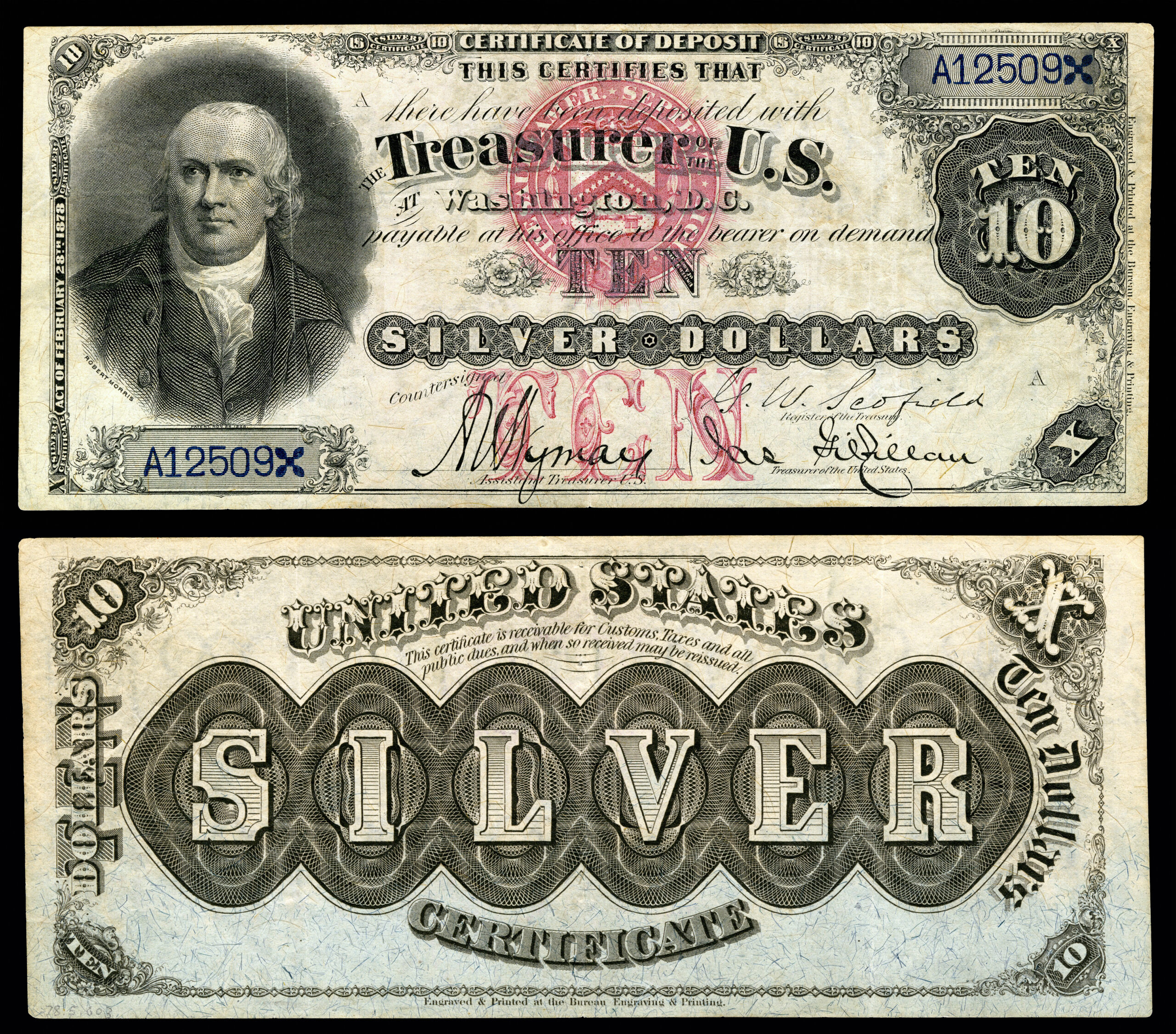
Inverted Overprint Errors on Silver Certificates: Upside-Down Seals and Serial Numbers on 1935 and 1957 Series Notes

Inverted overprint errors on 1935 and 1957 Silver Certificates rank among the most visually dramatic mistakes ever to escape a Bureau of Engraving and Printing press room, with upside-down Treasury seals and serial numbers turning ordinary one-dollar notes into serious collectibles. This guide breaks down exactly how these errors occurred, which varieties command the highest premiums, and what every collector needs to know before buying or selling one.

Read More →

Vignettes and Allegorical Figures on Large-Size Silver Certificates: What They Mean and Why Collectors Should Care

The elaborate vignettes and allegorical figures engraved on large-size Silver Certificates are far more than decoration, they encode 19th-century political ideals, classical mythology, and the aspirations of a young republic into every note. Understanding what these images represent transforms the way you read and collect these remarkable pieces of American art.

Read More →

The Currency Education Program: How the Federal Reserve Teaches the Public to Detect Counterfeits

The Federal Reserve’s Currency Education Program is a decades-long initiative that has reshaped how Americans identify genuine banknotes, and its rollout history is a roadmap for collectors tracking modern security features by series. Understanding the program’s milestones helps collectors authenticate notes with confidence and pinpoint which design generations carry the most significant anti-counterfeiting innovations.

Read More →

The History of American Currency Counterfeiting: From Colonial Woodcuts to 21st Century Digital Fakes

American counterfeiting stretches back more than three centuries, shaping the very design of every note in your collection. Understanding this ongoing arms race between forgers and the Treasury helps collectors identify genuine notes, spot alterations, and appreciate why certain security features define a series.

Read More →

The Harvest Scene on the 1896 $1 Educational Silver Certificate Reverse: Agricultural Allegory and Its Classical Roman Sources

The reverse of the 1896 $1 Educational Silver Certificate features one of the most breathtaking allegorical compositions ever engraved on American paper money, a harvest scene rooted in classical Roman iconography that transformed a one-dollar bill into a work of fine art. Understanding its imagery, its artistic sources, and its place in currency collecting history will deepen your appreciation of what many consider the most beautiful note ever issued by the United States Treasury.

Read More →

Overinking Errors on Bureau of Engraving Notes: How Filled-In Details Affect Grade and Value

Overinking errors occur when excess ink floods the recessed lines of an intaglio printing plate, obscuring fine portrait details, numerals, and lettering on finished notes. Understanding how these manufacturing defects are classified, graded, and valued can help collectors make smarter buying decisions and spot underpriced gems in dealer stocks.

Read More →

Ornamental Counters on National Bank Notes: How Charter Periods Shaped the Overprinted Denomination Numbers Collectors Need to Know

The large, decorative denomination numerals printed directly onto National Bank Notes reveal far more about a note’s origin and rarity than most collectors realize. Understanding how the Bureau of Engraving and Printing placed, styled, and changed these ornamental counters across the First, Second, and Third Charter Periods is essential knowledge for anyone serious about collecting nationals.

Read More →

Beyond the Battlefield: How Military Payment Certificates Fought the Black Market in Korea and Vietnam

Military Payment Certificates were the US government’s ingenious weapon against black market currency abuse in Korea and Vietnam, creating a parallel monetary system that could be swapped out overnight. For collectors today, these colorful, artist-designed notes represent one of the most fascinating and historically rich niches in American paper money.

Read More →

The Agriculture and Commerce Vignette on Series 1914 Federal Reserve Notes: Allegory in the Machine Age

The Series 1914 Federal Reserve Notes introduced sweeping allegorical imagery to American paper money, most notably the iconic Agriculture and Commerce vignette that graced the reverse of several denominations. Understanding this artwork, its engravers, and the varieties it appears on unlocks a fascinating collecting specialty that rewards both visual appreciation and historical scholarship.

Read More →