
US Notes

Insufficient Margin Errors on Large-Size Notes: How Sheet Registration Failures Created Cutting Oddities Before 1929

Before the Bureau of Engraving and Printing standardized its cutting procedures in the small-size era, large-size notes were vulnerable to dramatic sheet registration failures that produced some of the most visually striking error currency in American numismatic history. Understanding how these cutting oddities occurred, which series are most affected, and what separates a genuine error from post-issuance trimming is essential knowledge for any serious collector of pre-1929 paper money.

Read More →
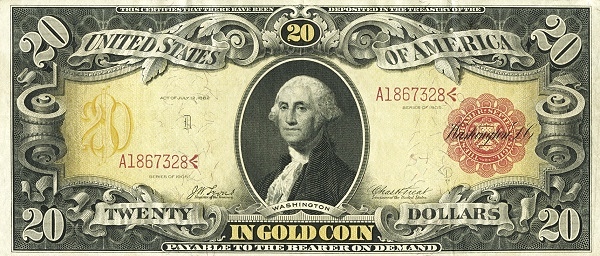
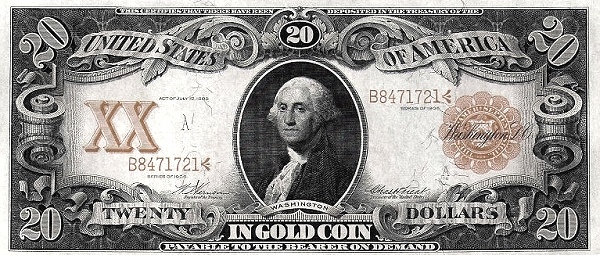
The Landing of Columbus Vignette on National Bank Notes: Art, History, and Placement

Few images in American currency history carry the symbolic weight of the Landing of Columbus vignette, a dramatic scene that appeared on some of the most collectible National Bank Notes ever issued. This guide explores the artistic origins, engraving history, and specific note types where collectors can find this iconic image today.

Read More →

The Color Scheme of the 1882 Gold Certificate Brown Back: Why Gold and Orange Were Chosen to Signal Bullion Convertibility

The 1882 Gold Certificate Brown Back series is one of the most visually striking issues in American paper money history, with its warm amber and orange-brown tones carrying deliberate meaning about the note’s bullion-backed status. This article unpacks the design philosophy, printing technology, and collecting landscape surrounding these remarkable large-size notes.

Read More →

Guardians of the Greenback: The Secret Service’s Currency Protection Role From 1865 to the DHS Era

Long before presidential protection became its defining mission, the United States Secret Service was founded specifically to combat the epidemic of counterfeit currency that threatened to collapse the post-Civil War economy. Understanding this history gives collectors a richer context for the notes they hold, the security features those notes carry, and the legal frameworks that govern reproduction of US currency today.

Read More →

Printed Fold Errors on Federal Reserve Notes: When the Paper Folds During Printing and the Ink Covers the Crease

Printed fold errors rank among the most visually dramatic and mechanically fascinating mistakes the Bureau of Engraving and Printing has ever released into circulation. This guide breaks down exactly how these errors occur, what varieties collectors should know, and what genuine specimens are worth in today’s market.

Read More →

Ink, Steel, and Stone: How the BEP’s Move to Independence Avenue Shaped American Currency History

The Bureau of Engraving and Printing’s relocation from the Treasury Building to its iconic Independence Avenue facility in 1914 was more than a change of address. For collectors, this transition period produced some of the most fascinating and historically significant notes ever printed, with distinct characteristics that remain hotly pursued a century later.

Read More →

Missing Face or Back Printing Errors: Blank Sided Notes and Their Extreme Rarity

Among the rarest and most dramatic error notes ever produced by the Bureau of Engraving and Printing, blank-sided currency represents a catastrophic failure in the multi-stage printing process. This guide breaks down exactly how these errors happen, which series and denominations command the highest prices, and what collectors need to know before buying or selling one.

Read More →

The $100 Gold Certificate Series 1922: Large-Size Eagles and Why Collectors Prize Them

The Series 1922 $100 Gold Certificate stands as one of the most visually stunning and historically significant notes ever issued by the United States Treasury, featuring the iconic eagle vignette that has captivated collectors for over a century. This deep-dive covers everything from print run data and signature varieties to grading pitfalls and current market values, giving you the knowledge to pursue this remarkable note with confidence.

Read More →

The Reverse Design of the 1890 Treasury Note: The Most Ornate Back in US Currency History

The 1890 Treasury Note series produced some of the most elaborately engraved reverse designs ever printed on American paper money, earning these notes the nickname ‘Tombstone Notes’ among collectors. This deep dive explores the artistic achievement behind these backs, the engravers who created them, and why specific denominations command prices well into five and six figures today.

Read More →

Inverted Back Errors on National Bank Notes: The Mechanics of Large-Size Sheet Printing That Made Them Possible

Inverted back errors on large-size National Bank Notes rank among the most dramatic and mechanically fascinating mistakes in American currency history. This deep-dive explores exactly how two-pass intaglio printing created the conditions for these spectacular errors, which specific notes are known, and what collectors should understand before pursuing one.

Read More →