US Notes

The Standard Electric Engraving Machine and How It Transformed BEP Portrait Work After 1900

Before electric engraving arrived at the Bureau of Engraving and Printing, every portrait on American currency was painstakingly cut by hand, a process measured in months. Discover how the Standard Electric Engraving Machine revolutionized the craft after 1900, reshaped the faces on your notes, and left lasting clues that collectors can still read today.

Read More →
The Sirius and Constitution Ships on the 1875 $50 United States Note: Naval History Encoded in Large-Size Currency Art

The 1875 Series $50 United States Note carries two of America’s most storied vessels rendered in exquisite intaglio engraving, connecting everyday commerce to the nation’s proudest naval chapters. Understanding the imagery, varieties, and survival rates of this remarkable large-size note transforms a single banknote into a window on American history.

Read More →

The Architecture of American Currency: Buildings Depicted on US Notes Through History

From the stately columns of the Treasury Building to the iconic dome of the Capitol, America’s most recognizable structures have graced federal banknotes for over 160 years. This deep dive into the architectural imagery on US currency reveals surprising design choices, forgotten buildings, and the collector insights hidden in plain sight on every note in your wallet.

Read More →

The Reverse Design of the Series 1934 $500 Federal Reserve Note: An Understated but Elegant Layout

The Series 1934 $500 Federal Reserve Note carries one of the most quietly sophisticated reverse designs in American currency history, blending classical engraving traditions with the functional austerity of the New Deal era. Collectors who take the time to study its layout discover a composition that rewards close examination and speaks volumes about the Bureau of Engraving and Printing’s craft at its peak.

Read More →

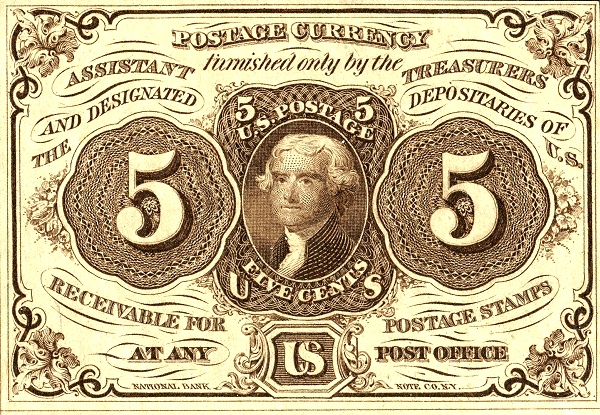
The Allegorical Figure of Victory on Fractional Currency: Military Iconography on Civil War Small-Change Notes

During the Civil War, the Union government printed fractional currency notes adorned with allegorical figures and military symbols that transformed everyday small change into miniature works of patriotic art. This guide examines the specific iconographic choices, printing details, and collecting nuances of these remarkable wartime issues.

Read More →

The Eagle and Shield on the Reverse of the 1882 National Bank Note Brown Back: Heraldic Symbolism in Gilded Age Currency

The 1882 Brown Back National Bank Note series features one of the most elaborately heraldic reverse designs in American currency history, blending patriotic symbolism with the self-confident aesthetic of the Gilded Age. Understanding the eagle and shield imagery on these notes unlocks both their historical context and their enduring appeal to serious collectors.

Read More →

The New Color Palette of the 2004-2013 Federal Reserve Notes: Design Choices Behind Each Denomination’s Hues

Between 2004 and 2013, the Bureau of Engraving and Printing rolled out the most dramatic redesign of U.S. paper currency in nearly a century, introducing subtle background colors that broke from over 80 years of uniform green and black printing. Understanding the specific color choices behind each denomination reveals a fascinating intersection of security science, anti-counterfeiting strategy, and deliberate visual identity that every collector should know.

Read More →

The Changing Face of the $20 Note: From Large-Size Gold Certificates to the Modern Federal Reserve Note

The $20 denomination has traveled further than almost any other in American currency history, evolving from ornate large-size gold certificates of the 1860s through the security-laden portraits of today. Understanding that journey reveals not just artistic and political change, but the economic upheavals, wars, and policy shifts that reshaped the nation’s monetary system.

Read More →

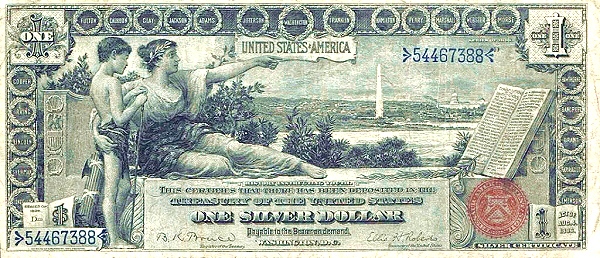
The Reverse Design of the 1896 $5 Educational Silver Certificate: Grant and Sheridan as Icons of Union Victory

The reverse of the 1896 $5 Educational Silver Certificate features one of the most ambitious and artistically daring designs ever placed on American paper money, pairing the portraits of Ulysses S. Grant and Philip Sheridan within an allegory of military triumph. Understanding the iconography, the artists behind it, and the political context of this extraordinary note reveals why collectors and historians alike consider it a crown jewel of 19th-century American currency.

Read More →

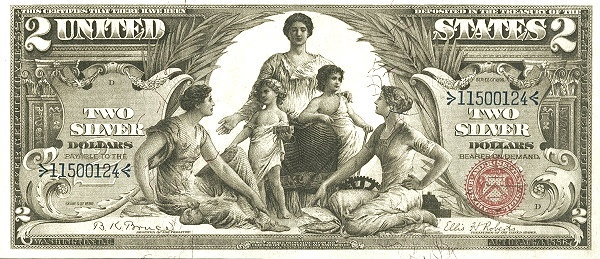
The Allegorical Figure of Mechanics on the 1896 $2 Educational Silver Certificate Reverse: Industry, Electricity, and Classical Composition

The reverse of the 1896 $2 Educational Silver Certificate features one of the most ambitious allegorical compositions ever engraved on American currency, pairing the figure of Mechanics with a dynamo and classical architectural grandeur. Understanding this imagery unlocks the full artistic vision of the Educational Series and explains why these notes command such fierce competition among advanced collectors.

Read More →