US Notes

Portrait Engraving at the BEP: Dies, Transfer Rolls, and Printing Plates Explained for Collectors

Understanding how the Bureau of Engraving and Printing transforms a master engraver’s work into millions of printed notes reveals why subtle differences between plates can create dramatic value swings in your collection. From the steel die to the final sheet, every step in this process leaves its own fingerprint on the notes we collect.

Read More →
Crosshatching and Stippling in US Currency Portraits: The BEP’s Master Engravers and the Art of Tonal Depth

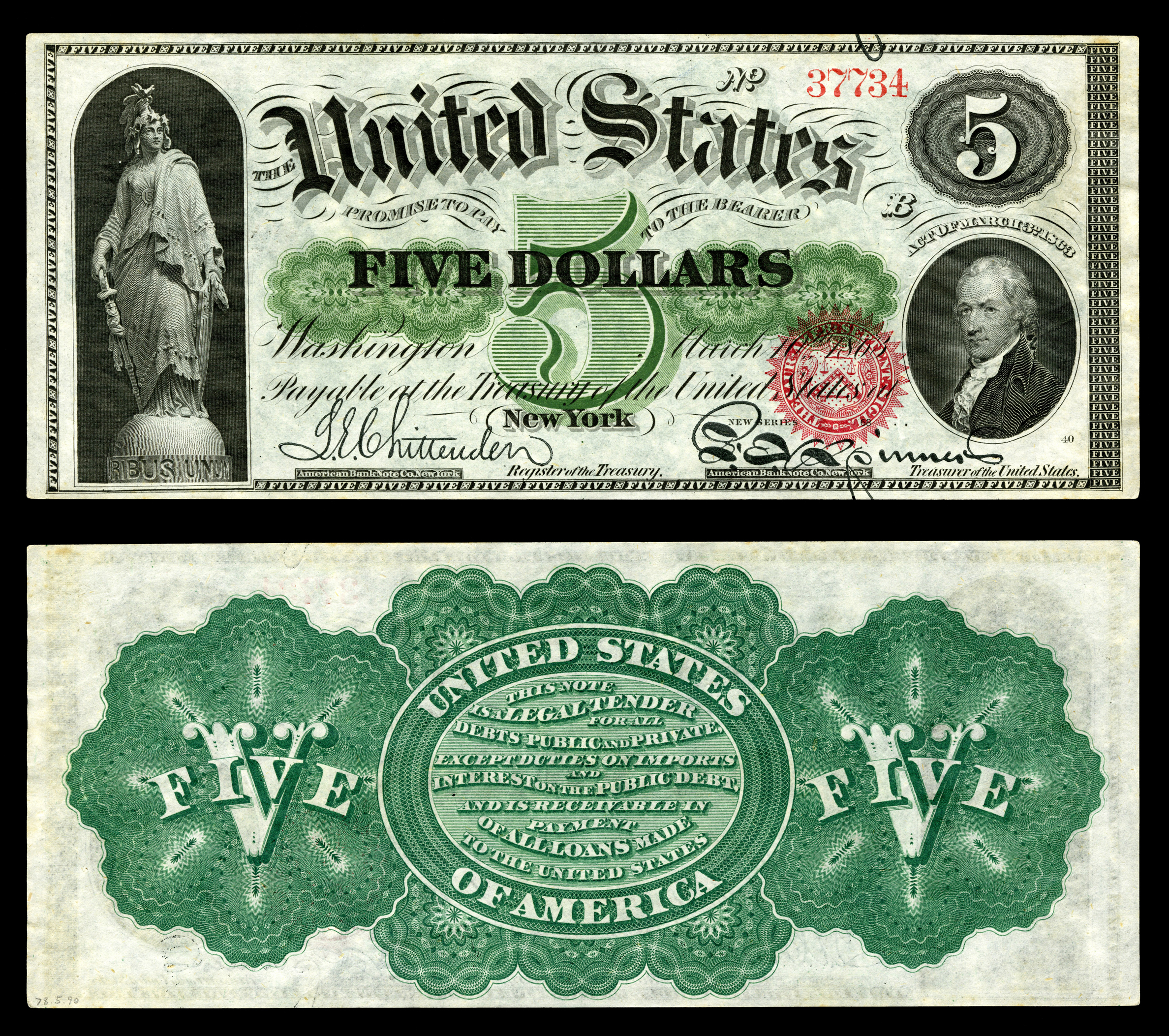
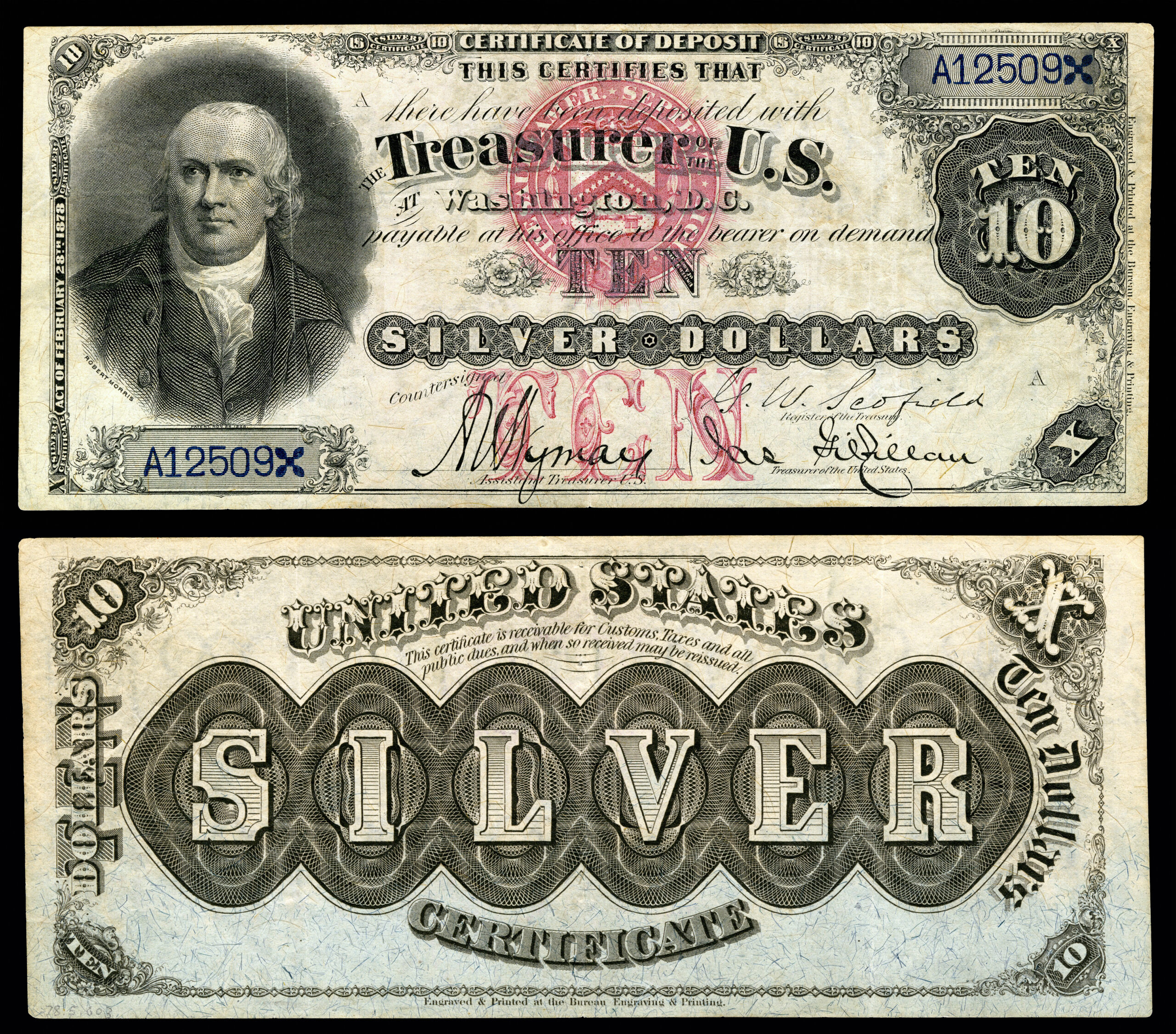
The Bureau of Engraving and Printing’s master craftsmen spent decades perfecting the intaglio techniques of crosshatching and stippling to render lifelike portraits on American banknotes. Understanding these methods transforms how collectors evaluate engraving quality and helps explain why certain notes command significant premiums.

Read More →

The New Portrait Style of the 1996 Series: Why Benjamin Franklin’s Face Got Bigger

In 1996, the Federal Reserve dramatically redesigned the $100 bill, enlarging Benjamin Franklin’s portrait and shifting it off-center in the most significant visual overhaul of American currency in decades. Understanding what drove those changes, and how they affect collectibility today, is essential knowledge for any serious note collector.

Read More →

The Ornate Scrollwork Border Design of the 1863 United States Notes: How Geometric Lathe Work Outsmarted Counterfeiters Before the Camera Age

The intricate spirograph-like borders printed on 1863 United States Notes were not merely decorative flourishes — they were the era’s most sophisticated anti-counterfeiting technology, produced by machines that could generate mathematically precise curves no engraver’s hand could replicate. Understanding how geometric lathe work shaped these notes gives collectors a deeper appreciation for what makes early Legal Tender issues so visually compelling and historically significant.

Read More →

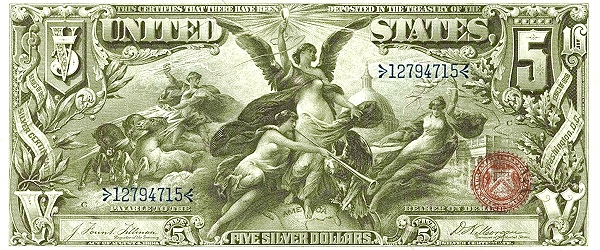
Vignettes and Allegorical Figures on Large-Size Silver Certificates: What They Mean and Why Collectors Should Care

The elaborate vignettes and allegorical figures engraved on large-size Silver Certificates are far more than decoration, they encode 19th-century political ideals, classical mythology, and the aspirations of a young republic into every note. Understanding what these images represent transforms the way you read and collect these remarkable pieces of American art.

Read More →

The Mortar Firing at Fort Moultrie Vignette on 1860s Currency: Military Scenes in Wartime American Banknote Design

During the Civil War era, American banknote engravers drew on patriotic military imagery to inspire public confidence in paper currency, and few vignettes capture that spirit more vividly than the mortar-firing scene tied to Fort Moultrie. This deep dive explores the history, catalog specifics, and collecting significance of military imagery on 1860s American paper money.

Read More →

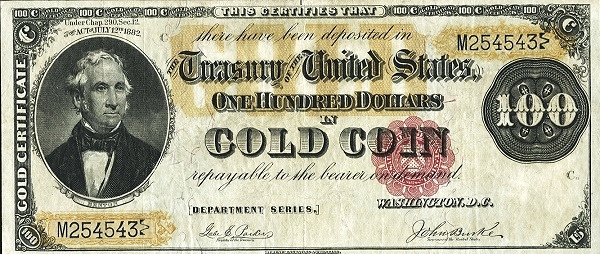
Franklin on the $100: Comparing Every Engraved BEP Portrait from Large-Size Gold Certificates to the Modern Note

Benjamin Franklin has appeared on American currency longer than any other non-president, yet his portrait has changed dramatically across more than a century of engraving. This deep-dive compares every distinct BEP-engraved Franklin portrait, from the ornate large-size issues of the 1870s through the high-security small-size notes of 2013, giving collectors the specific details they need to identify, grade, and appreciate each era.

Read More →

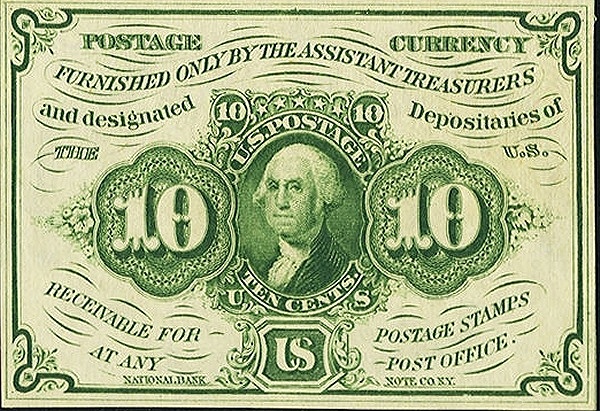
The Phrygian Cap on Fractional Currency: Revolutionary Symbolism on Civil War Small Change

The tiny Phrygian cap printed on Civil War-era fractional currency carried centuries of revolutionary meaning into the pockets of everyday Americans. This guide unpacks the history, varieties, and collector value of these remarkable small-denomination notes.

Read More →

The Harvest Scene on the 1896 $1 Educational Silver Certificate Reverse: Agricultural Allegory and Its Classical Roman Sources

The reverse of the 1896 $1 Educational Silver Certificate features one of the most breathtaking allegorical compositions ever engraved on American paper money, a harvest scene rooted in classical Roman iconography that transformed a one-dollar bill into a work of fine art. Understanding its imagery, its artistic sources, and its place in currency collecting history will deepen your appreciation of what many consider the most beautiful note ever issued by the United States Treasury.

Read More →

The Allegorical Figure of Peace on the 1899 $5 Silver Certificate: How the BEP Paired a Native Chief with Classical Allegory

The 1899 $5 Silver Certificate stands as one of the most artistically ambitious notes ever produced by the Bureau of Engraving and Printing, combining a dignified portrait of Running Antelope with a soaring allegorical figure of Peace. Understanding the design history, signature varieties, and condition nuances of this iconic ‘Chief’ note can mean the difference between a shrewd purchase and a costly mistake.

Read More →