
US Notes

Ornamental Counters on National Bank Notes: How Charter Periods Shaped the Overprinted Denomination Numbers Collectors Need to Know

The large, decorative denomination numerals printed directly onto National Bank Notes reveal far more about a note’s origin and rarity than most collectors realize. Understanding how the Bureau of Engraving and Printing placed, styled, and changed these ornamental counters across the First, Second, and Third Charter Periods is essential knowledge for anyone serious about collecting nationals.

Read More →
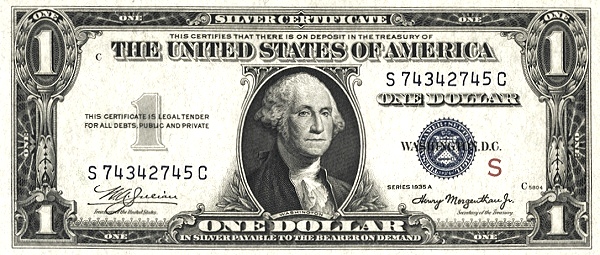
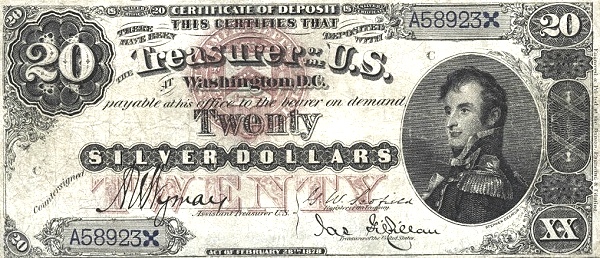
The Seal of the Treasury Department on US Currency: How Its Design Changed from 1862 to the Present

Few elements of American paper money carry more historical weight than the Treasury seal, yet most collectors overlook its evolution across 160 years of currency design. This deep dive traces every major change to the seal’s appearance, color, and placement, giving you the tools to date, attribute, and value notes more precisely.

Read More →

Thomas F. Morris and the BEP Engravers Who Defined 19th Century American Currency Portraits

The faces staring back at you from 19th century United States currency were carved into steel by a small brotherhood of master engravers whose names rarely appear in standard price guides. This deep dive into Thomas F. Morris and his contemporaries at the Bureau of Engraving and Printing reveals how their craft decisions directly affect rarity, collector value, and the visual identity of American money.

Read More →

The Agriculture and Commerce Vignette on Series 1914 Federal Reserve Notes: Allegory in the Machine Age

The Series 1914 Federal Reserve Notes introduced sweeping allegorical imagery to American paper money, most notably the iconic Agriculture and Commerce vignette that graced the reverse of several denominations. Understanding this artwork, its engravers, and the varieties it appears on unlocks a fascinating collecting specialty that rewards both visual appreciation and historical scholarship.

Read More →

Geometric Lathe Work on 19th Century US Currency: How Spirograph-Style Patterns Defeated Counterfeiters

The intricate rose engine and geometric lathe patterns woven into 19th century American banknotes were not merely decorative flourishes but sophisticated anti-counterfeiting technology that defined an era of currency design. Understanding these patterns helps collectors identify genuine notes, spot alterations, and appreciate why certain series command premium values today.

Read More →

The Signatures on US Currency: A Visual History of How Treasury Secretary and Register Autographs Changed from Handwritten to Engraved

The signatures appearing on United States paper money tell a surprisingly rich story about the evolution of American currency production, from hand-signed notes of the 1860s to the precision-engraved facsimiles of today. Understanding signature combinations, their dates of use, and their relative scarcity is one of the most rewarding areas of study for serious currency collectors.

Read More →

Trumbull’s Masterpiece in Steel: The Declaration of Independence Vignette on Large-Size US Notes

John Trumbull’s iconic 1818 painting of the Declaration of Independence signing was translated into one of the most detailed and historically significant vignettes ever engraved for American paper money. Understanding how this image appeared across large-size notes, which engravers executed the work, and which specific varieties carry the vignette gives collectors a richer appreciation for the artistry hiding in plain sight on their notes.

Read More →

Portraits Removed from US Currency: Chase, Stanton, and the Figures No Longer on American Notes

From Salmon P. Chase’s brief appearance on high-denomination Federal Reserve Notes to Edwin Stanton’s forgotten presence on Fractional Currency, several prominent Americans once graced US paper money before being quietly replaced. Understanding who appeared, when, and why they were removed gives collectors a fascinating lens into the political and institutional history behind every piece of American paper money.

Read More →

The Landing of Columbus Vignette on National Bank Notes: Art, History, and Placement

Few images in American currency history carry the symbolic weight of the Landing of Columbus vignette, a dramatic scene that appeared on some of the most collectible National Bank Notes ever issued. This guide explores the artistic origins, engraving history, and specific note types where collectors can find this iconic image today.

Read More →

Why Is American Money Green? The BEP’s Ink Chemistry and the Colorful History Behind U.S. Currency

The green color of U.S. paper money is so iconic that ‘greenback’ became a permanent part of the American lexicon, yet few collectors understand the actual chemistry, historical decisions, and security science behind that distinctive hue. This deep dive covers everything from the Civil War-era origins of green ink to the modern magnetic and ultraviolet properties that make counterfeiting so difficult.

Read More →