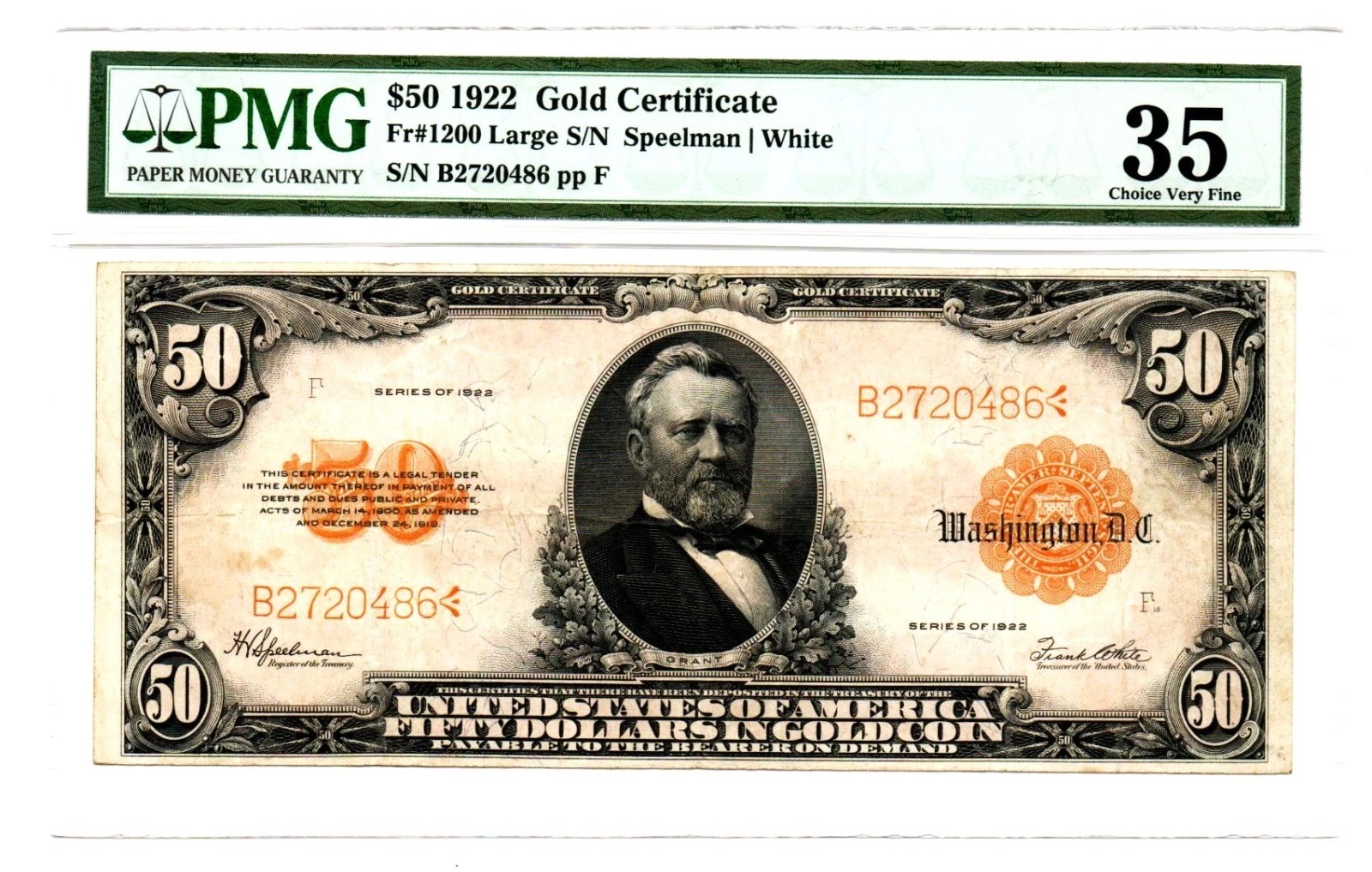
US Notes

The Series 1891 $10 Silver Certificate: Thomas Hendricks, a Dying Portrait, and One of the Lowest Survival Rates in Large-Size Currency
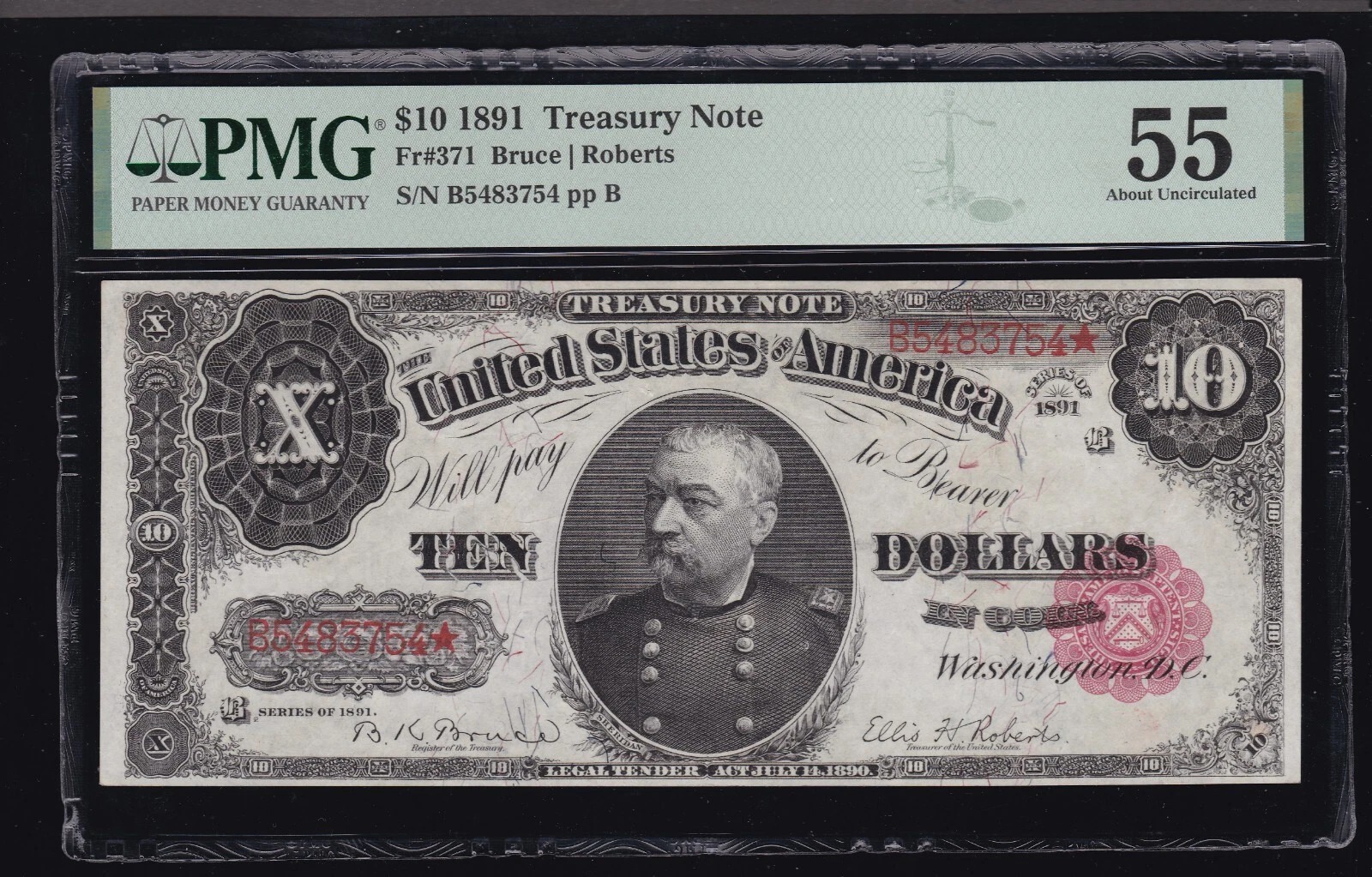
The Series 1891 $10 Silver Certificate features the portrait of Vice President Thomas A. Hendricks, a fleeting design that saw limited production and catastrophic attrition over 130 years. Collectors and historians alike regard this note as one of the most challenging large-size issues to acquire in any grade, making it a genuine white whale of American paper money.

Read More →
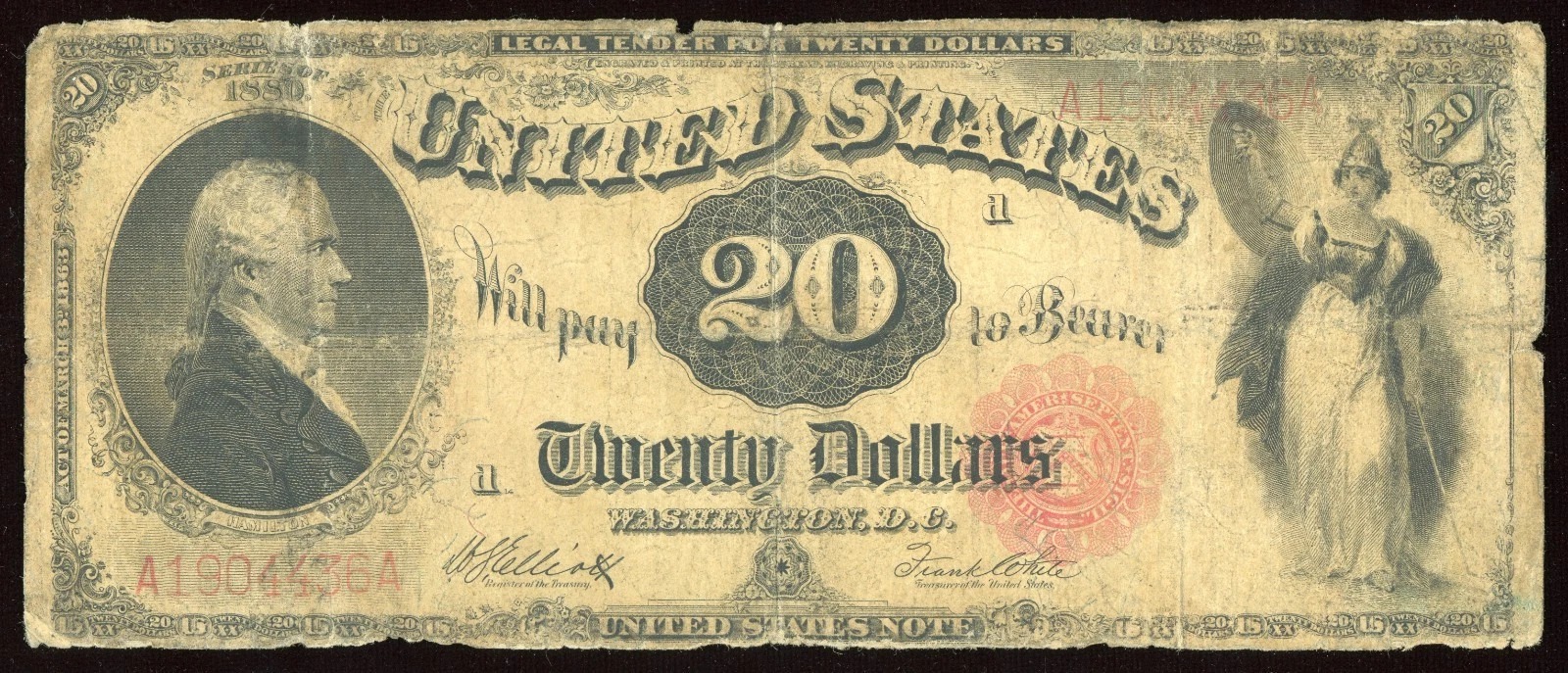
The Series 1880 $20 United States Note: Large-Size Legal Tender Giants and Their Surviving Populations by Grade

The Series 1880 $20 United States Note stands among the most visually commanding large-size legal tender issues ever produced, featuring multiple signature combinations, shifting seal colors, and a surviving population that tells a fascinating story of attrition and rarity. This deep-dive examines every major variety, their census populations across grades, and what collectors should know before pursuing one of these magnificent nineteenth-century giants.

Read More →

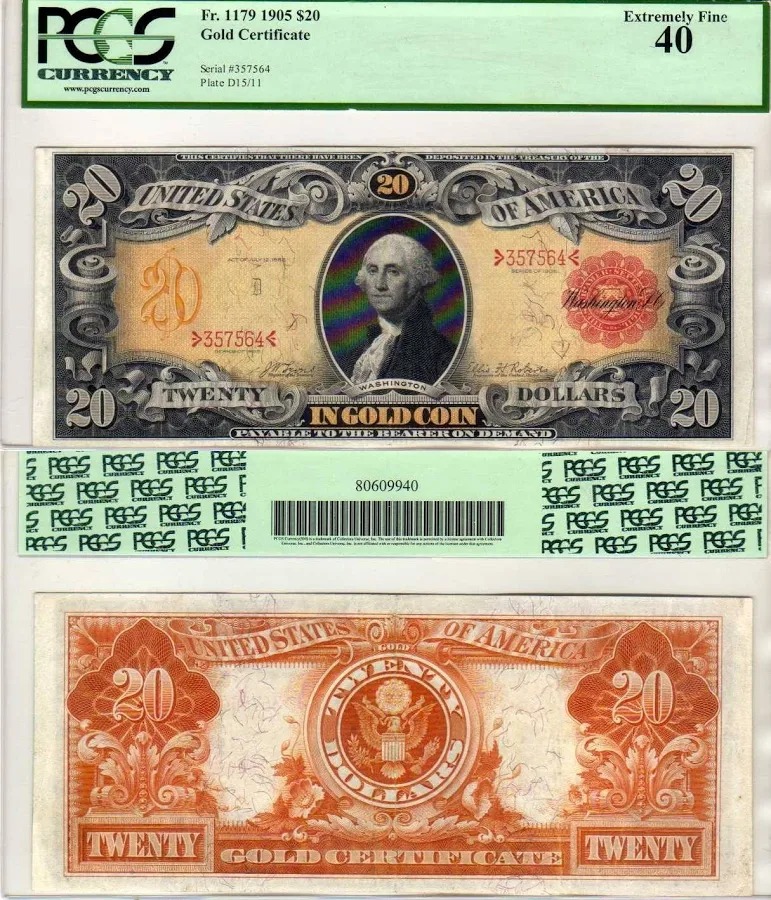
Gold Certificates Series 1905 $20: The Technicolor Note and Its Stunning Orange Reverse

The Series 1905 $20 Gold Certificate stands apart from virtually every other piece of American paper money ever printed, thanks to its blazing orange reverse and brilliant golden obverse design. Collectors and historians alike consider it one of the most visually striking United States notes ever issued, and its scarcity today makes it a genuine prize for serious numismatists.

Read More →

The Series 1923 $50 Gold Certificate: Ulysses Grant’s Golden Portrait in the Final Chapter of Large-Size Currency

The Series 1923 $50 Gold Certificate stands as one of the most visually commanding and historically significant notes ever produced by the United States Treasury, representing the last gasp of large-format currency production before the dramatic 1929 size reduction. Collectors who manage to locate a well-preserved example own a genuine artifact bridging two distinct eras of American paper money.

Read More →
The Series 1918 $2 Federal Reserve Bank Note: Collecting the Battleship Back Across All Twelve Districts

The Series 1918 $2 Federal Reserve Bank Note is one of the most visually dramatic large-size notes ever issued, featuring a battleship on the reverse and twelve distinct district varieties that challenge even advanced collectors. This guide breaks down the signature combinations, rarity levels, and key collecting strategies for assembling a complete district set.

Read More →

The Sirius and Constitution Ships on the 1875 $50 United States Note: Naval History Encoded in Large-Size Currency Art

The 1875 Series $50 United States Note carries two of America’s most storied vessels rendered in exquisite intaglio engraving, connecting everyday commerce to the nation’s proudest naval chapters. Understanding the imagery, varieties, and survival rates of this remarkable large-size note transforms a single banknote into a window on American history.

Read More →

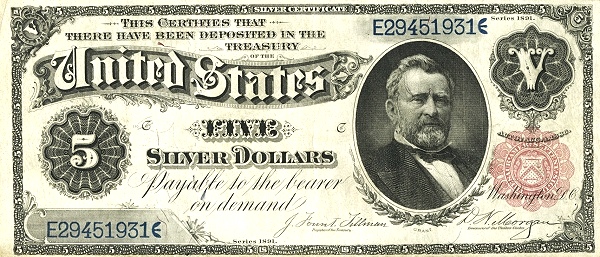
The Series 1891 $5 Silver Certificate Ulysses Grant Portrait: The Predecessor to the Tombstone and Why It Is Overlooked

Before the iconic Tombstone note captured collectors’ imaginations, the Series 1891 $5 Silver Certificate bore Ulysses S. Grant’s portrait in a design that bridged two eras of American currency artistry. Understanding this overlooked issue reveals a rich story of transitional design, scarce signature combinations, and undervalued collecting opportunities.

Read More →

The Series 1869 $5 United States Note: Andrew Jackson, the Pioneer Family, and Why This Rainbow Note Is Undervalued

The Series 1869 $5 United States Note is one of the most visually stunning pieces of American currency ever produced, featuring Andrew Jackson on the left and a remarkable pioneer family vignette at center. Despite its age, historical significance, and breathtaking design, this ‘Rainbow Note’ remains surprisingly affordable for collectors willing to do their homework.

Read More →

National Bank Notes Third Charter Period: Red Seals, Date Backs, and Plain Backs Compared

The Third Charter Period of National Bank Notes spans three distinct design varieties issued between 1902 and 1929, each telling a different story about American banking history and federal currency policy. Understanding the differences between Red Seals, Date Backs, and Plain Backs is essential knowledge for any serious collector of large-size nationals.

Read More →

The Changing Face of the $20 Note: From Large-Size Gold Certificates to the Modern Federal Reserve Note

The $20 denomination has traveled further than almost any other in American currency history, evolving from ornate large-size gold certificates of the 1860s through the security-laden portraits of today. Understanding that journey reveals not just artistic and political change, but the economic upheavals, wars, and policy shifts that reshaped the nation’s monetary system.

Read More →