US Notes

Company Scrip and the Colorado Coal Wars: How Private Currency Fueled the Ludlow Massacre of 1914
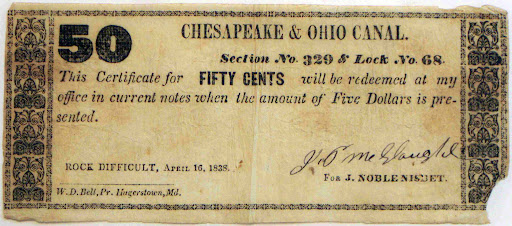
Long before federal regulations standardized American currency, coal companies in Colorado issued their own private scrip that trapped workers in a cycle of debt and dependence. Understanding how company scrip functioned as a tool of economic control helps explain the explosive labor tensions that culminated in the Ludlow Massacre of April 1914.

Read More →
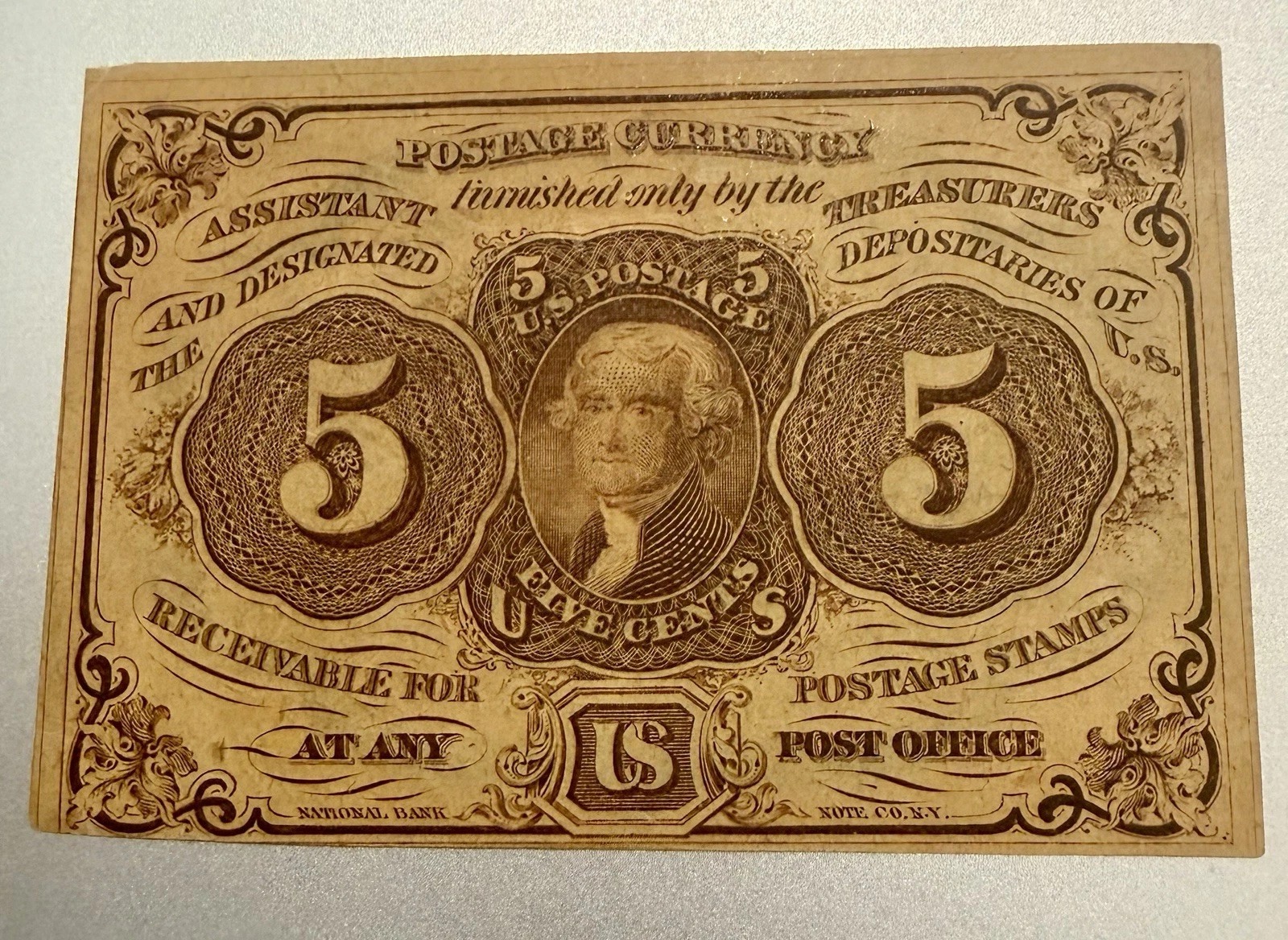
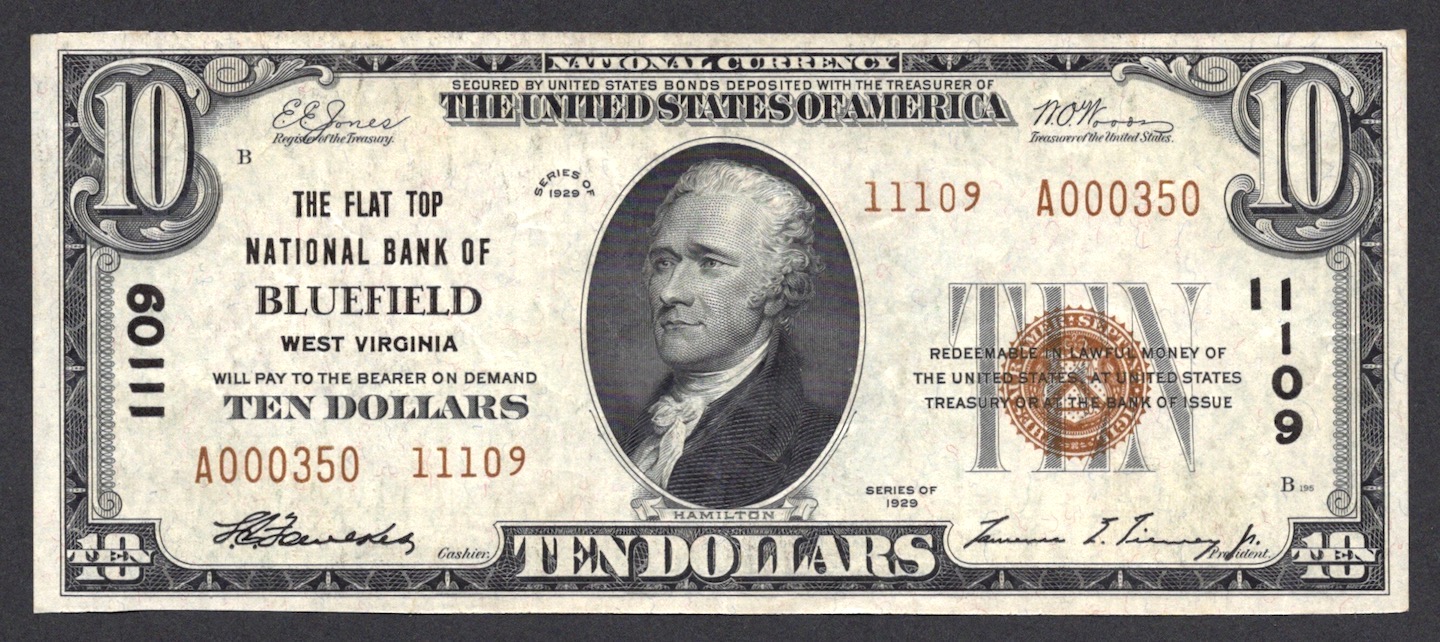
The Coinage Act of 1857 and the End of Foreign Coin Legal Tender: How It Redirected Demand to Paper Money

The Coinage Act of 1857 was a turning point that stripped foreign coins of their legal tender status in the United States, forcing Americans to rethink how they conducted everyday commerce. Understanding this legislative shift reveals why demand for domestic paper currency surged in the years immediately before the Civil War.

Read More →

Ashes and Currency: How the 1904 Baltimore Fire Destroyed National Bank Note Records and Rewrote Maryland Banking History

The Great Baltimore Fire of February 1904 consumed not just buildings but decades of irreplaceable national bank note records, creating some of the most tantalizing gaps in American numismatic documentation. Understanding what was lost, what survived, and how the disaster reshaped Maryland banking gives collectors a richer context for every Maryland national banknote they encounter.

Read More →

The Panic of 1907: The Banking Crisis That Forced America to Create the Federal Reserve Dollar

The Panic of 1907 brought the United States financial system to its knees in a matter of weeks, exposing the catastrophic vulnerability of a nation without a central bank. Understanding this crisis is essential for collectors, because every Federal Reserve Note in your album exists directly because of the chaos that unfolded on Wall Street that October.

Read More →

The Bureau of Engraving and Printing’s Public Gallery: A Century of Educating Visitors About American Currency

For over a century, the Bureau of Engraving and Printing has opened its doors to millions of curious visitors, offering an unparalleled look at how America’s paper money is designed, printed, and finished. Understanding the BEP’s public tour history adds rich context to any currency collection and reveals the fascinating intersection of security, craftsmanship, and public transparency.

Read More →

Greenbacks: How Abraham Lincoln Financed the Civil War with Legal Tender Notes

When the Union treasury ran dry in 1861, Abraham Lincoln and Congress made a radical financial gamble: printing paper money backed by nothing but the full faith of the federal government. The Demand Notes and Legal Tender Notes that followed changed American currency forever, and the surviving examples rank among the most historically significant collectibles in all of numismatics.

Read More →

The American Bank Note Company: How Private Engravers Shaped US Currency Before the BEP Took Over

Before the Bureau of Engraving and Printing consolidated federal currency production, the American Bank Note Company and its rival firms were the trusted craftsmen behind some of America’s most beautifully engraved paper money. Understanding this forgotten chapter of private currency production reveals why early federal notes look so different from anything printed after 1877.

Read More →

Black Gold and Green Paper: How the Federal Reserve Bank of Dallas Fueled Texas’s Petroleum Economy Through District 11 Currency

The Federal Reserve Bank of Dallas, identified by the letter K and numeral 11, printed and circulated currency through one of America’s most dynamic economic booms, the Texas oil era. Understanding District 11 notes reveals how Federal Reserve currency production responded to explosive regional growth and why certain Dallas-issued banknotes rank among the most historically significant in American collecting.

Read More →

Currency Collecting During the Depression: How Hobbyists Saved Notes Others Spent

When millions of Americans were spending every dollar they could find, a dedicated handful of collectors were quietly squirreling away Federal Reserve Notes, Silver Certificates, and National Bank Notes that would otherwise have vanished forever. This is the story of how Depression-era hobbyists, often at personal sacrifice, preserved the paper money history that modern collectors treasure today.

Read More →

Sod, Silver, and Charters: How the Homestead Act of 1862 Fueled National Bank Formation on the Great Plains and Created America’s Rarest Charter Notes

The Homestead Act of 1862 triggered a westward migration that turned raw prairie into chartered banking territory, producing some of the lowest-circulation National Bank Notes ever issued. Understanding this connection unlocks a fascinating collecting niche where frontier history and extreme rarity converge on a single piece of paper.

Read More →