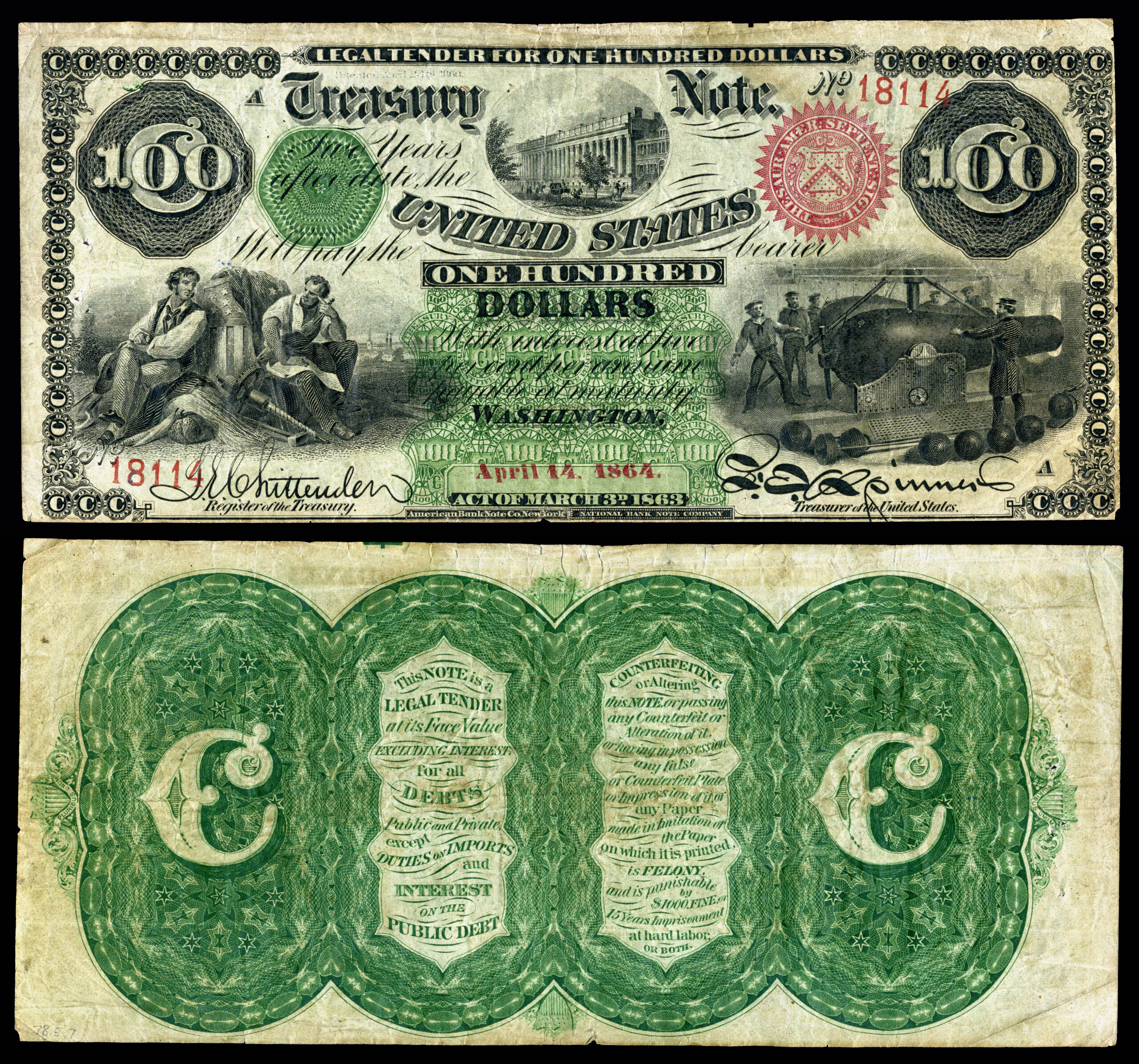
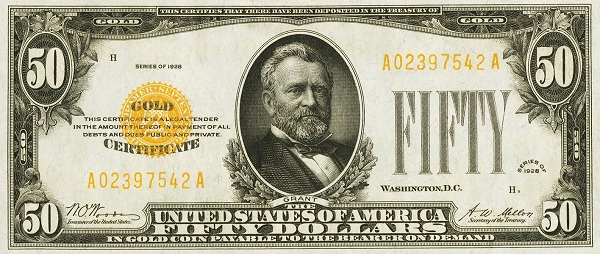
US Notes

National Banks of the American West: Frontier Charters and Their Surviving Notes

From the gold camps of Colorado to the cattle towns of Kansas, the national banks chartered across the American West issued some of the most historically vivid and numerically scarce currency in all of U.S. numismatics. This guide walks collectors through the charter periods, territorial rarities, and survival rates that define this captivating corner of large-size collecting.

Read More →
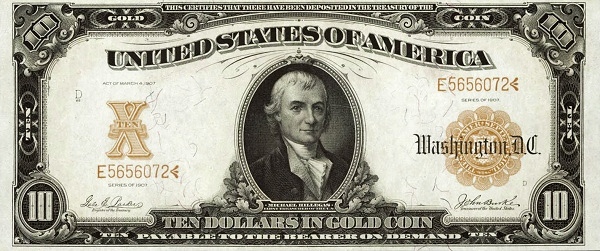
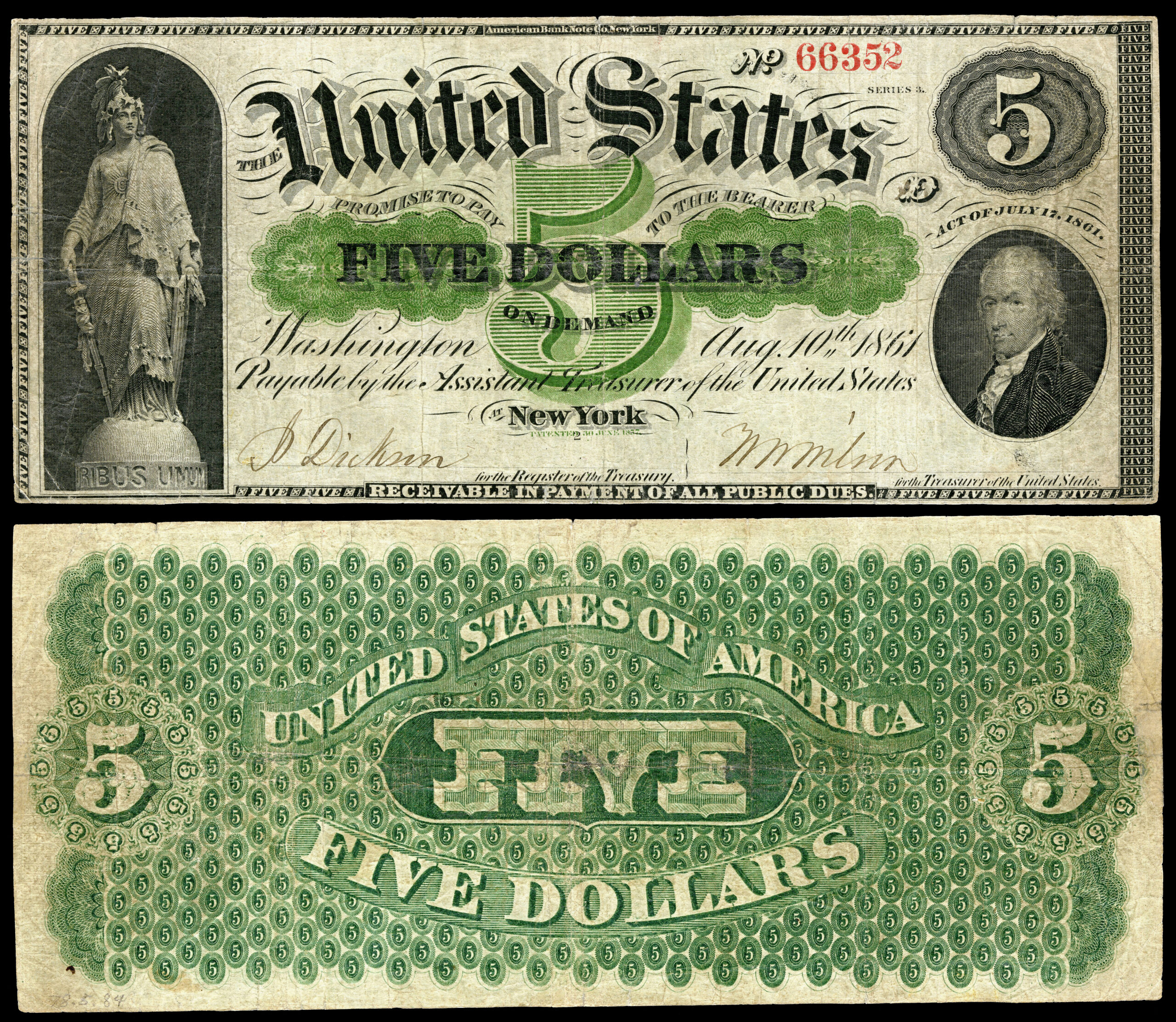
The $10,000 Gold Certificate Series 1900: The Highest Denomination Note Ever Officially Released to the Public

The Series 1900 $10,000 Gold Certificate stands as one of the most extraordinary pieces of American paper money ever produced, a note of staggering face value that bridged the world of high finance and the golden age of U.S. currency. Understanding its origins, surviving examples, and place in numismatic history reveals why this note commands reverence far beyond its already astonishing denomination.

Read More →

The Bank Suspension Crisis of 1837: How a Financial Catastrophe Shattered Faith in State-Chartered Banknotes Forever

When hundreds of American banks simultaneously suspended specie payments in May 1837, the nation’s patchwork currency system collapsed into chaos, leaving ordinary citizens holding worthless paper and sparking decades of monetary reform. Understanding this crisis is essential for collectors of obsolete banknotes, because it explains why so many pre-Civil War notes carry hidden stories of failure, fraud, and financial ruin.

Read More →

The Counterfeit Currency Crisis of 1862: Why the First Legal Tender Notes Were Already Being Faked Within Weeks of Issue

When the United States issued its first Legal Tender Notes in February 1862, counterfeiters were already at work before the ink had dried on the genuine articles. This deep-dive into the chaotic early days of federal paper money reveals how a desperate wartime government scrambled to protect a currency that was, by modern standards, shockingly easy to fake.

Read More →

Jay Cooke and the Civil War Bond Revolution: How a Philadelphia Banker Turned Treasury Notes into a Mass Market Phenomenon

Jay Cooke’s 1861-1865 campaign to sell Union war bonds transformed the relationship between ordinary Americans and federal paper money forever. Understanding this financial revolution is essential for collectors who want to grasp why certain Civil War-era Treasury notes carry the marks, signatures, and printing characteristics they do.

Read More →

William Fessenden’s Forgotten Legacy: How Lincoln’s Second Treasury Secretary Reshaped American Currency in 1864

When Salmon Chase resigned in June 1864, Maine senator William Pitt Fessenden inherited a Treasury in crisis and quietly engineered currency reforms that collectors still encounter today. Understanding his brief but consequential tenure unlocks the story behind some of the most historically significant Civil War-era notes in American numismatics.

Read More →

The Black Market and US Currency Abroad: How Cold War Dollar Demand Shaped Post-War Note Survivorship

Millions of American banknotes vanished into foreign black markets during the Cold War, creating unexpected scarcity patterns that still puzzle collectors today. Understanding how postwar dollar hoarding in Eastern Europe, Asia, and Latin America affected note survivorship can completely change how you evaluate condition rarity versus print rarity.

Read More →

The Gold Recall of 1933: How FDR’s Executive Order 6102 Killed Gold Certificates

On April 5, 1933, Franklin Roosevelt signed Executive Order 6102 and effectively ended the era of circulating Gold Certificates in the United States overnight. For currency collectors, this moment created some of the most legally complex, historically significant, and financially valuable notes in all of American numismatics.

Read More →

The United States Notes Act of 1878: Why Congress Forced Treasury to Maintain $346,681,016 in Legal Tender Notes Permanently

In 1878, Congress passed landmark legislation locking the volume of United States Notes at exactly $346,681,016 forever, a political and monetary decision that would shape American currency for the next century. Understanding this act unlocks the collecting story behind every Legal Tender Note issued after that date, from common circulated examples to the rarest high-denomination survivors.

Read More →

The First and Second Banks of the United States: Banknotes Before National Currency

Long before the greenback existed, two powerful federal banks issued paper money that shaped a young nation’s economy and left behind some of the rarest collectible notes in American numismatics. Understanding these early issues unlocks a forgotten chapter of US currency history that every serious collector should know.

Read More →