US Notes

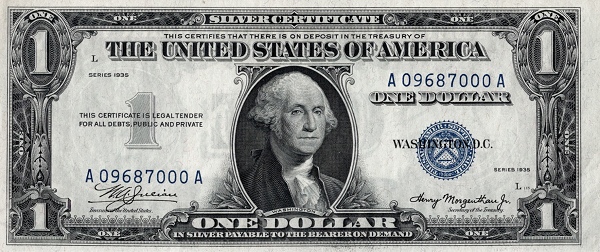
The Series 1935G $1 Silver Certificate With and Without Motto: How the ‘In God We Trust’ Addition Created Two Distinct Collectible Varieties
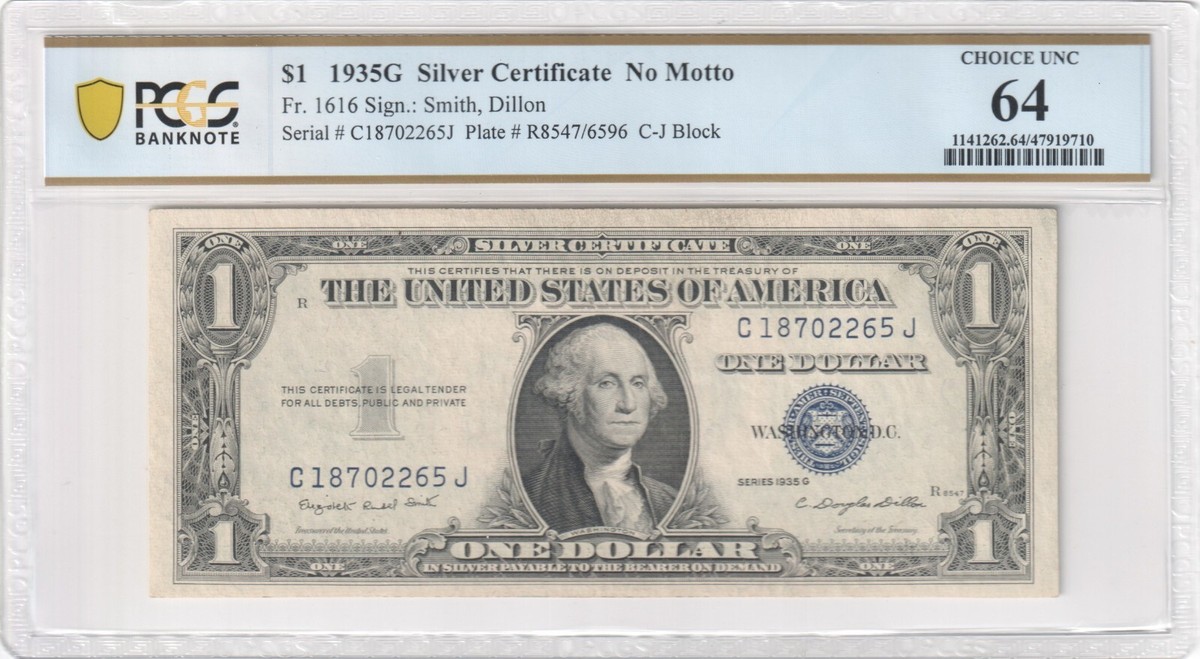
The Series 1935G $1 Silver Certificate exists in two fundamentally different varieties, separated by the addition of ‘In God We Trust’ to the reverse design midway through production. Understanding which variety you hold, and why the distinction matters, can mean a significant difference in both historical significance and collector value.

Read More →
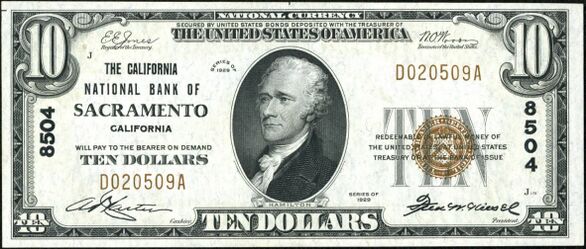
Series 1929 National Bank Note Type 1: Wide vs. Narrow Margin Varieties and What the Plate Numbers Tell Us

The Series 1929 National Bank Note Type 1 hides a fascinating production secret in its margins: two distinct sheet-layout varieties that most collectors overlook. Understanding wide versus narrow margin plates unlocks a new dimension of collecting these Depression-era small-size nationals.

Read More →

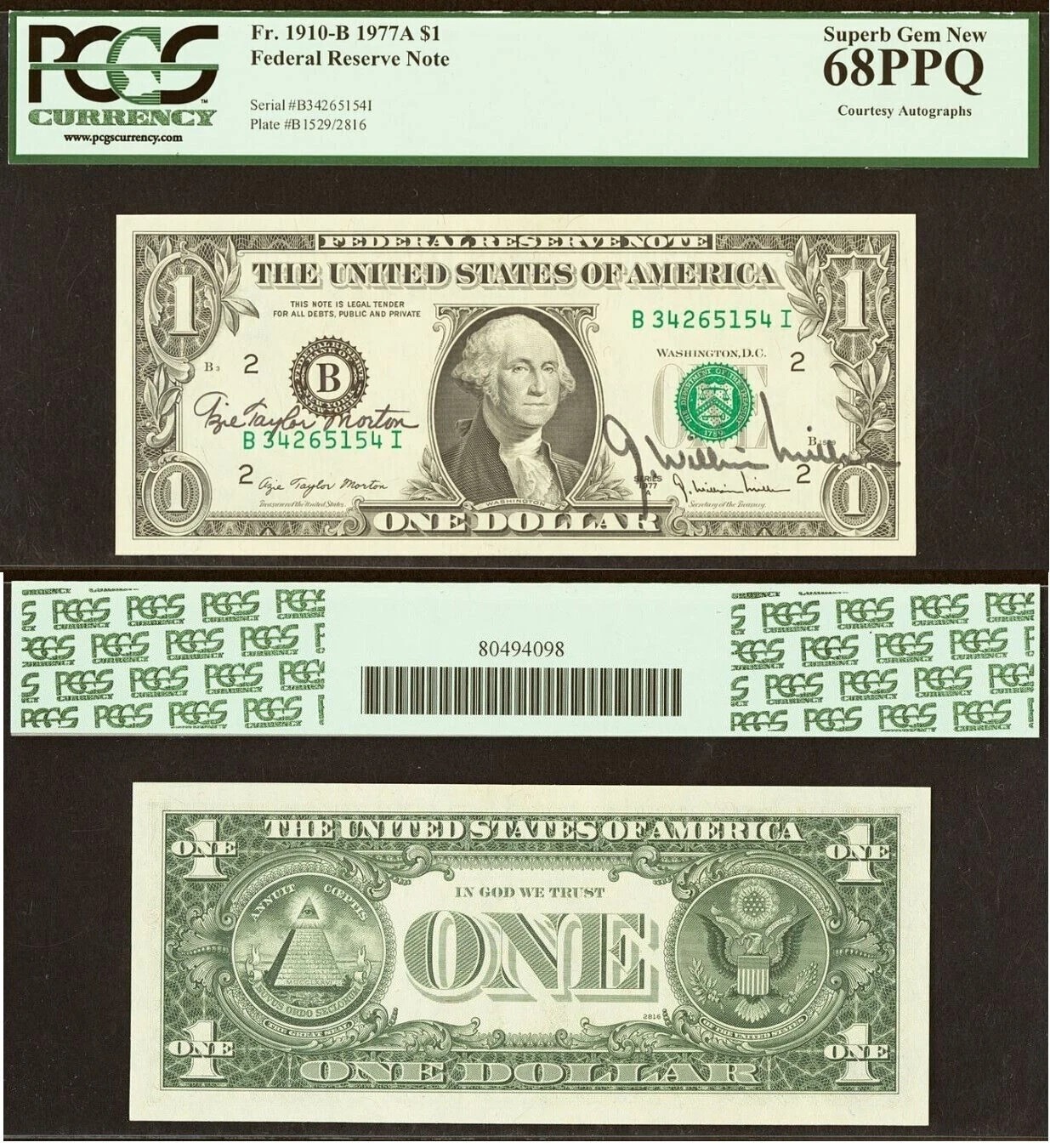
The Series 1977A $1 Federal Reserve Note: Subtle Seal and Back Plate Varieties That Separate Early from Late Production

The Series 1977A $1 Federal Reserve Note looks deceptively uniform at first glance, but early versus late production runs reveal meaningful differences in seal shade, plate numbering, and district frequency that serious collectors prize. Understanding these distinctions can transform a common dollar bill into a targeted collecting pursuit with genuine numismatic depth.

Read More →

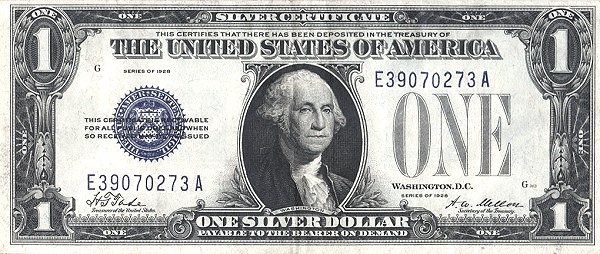
The Series 1928 $1 Silver Certificate: Varieties, Mule Notes, and Wide vs. Narrow Margins Explained

The Series 1928 $1 Silver Certificate is one of the most variety-rich issues in small-size currency history, packed with signature combinations, mule notes, and margin differences that can mean the difference between a common note and a serious key date. Whether you are just starting out or fine-tuning a specialized collection, understanding these distinctions is essential to building a meaningful set.

Read More →

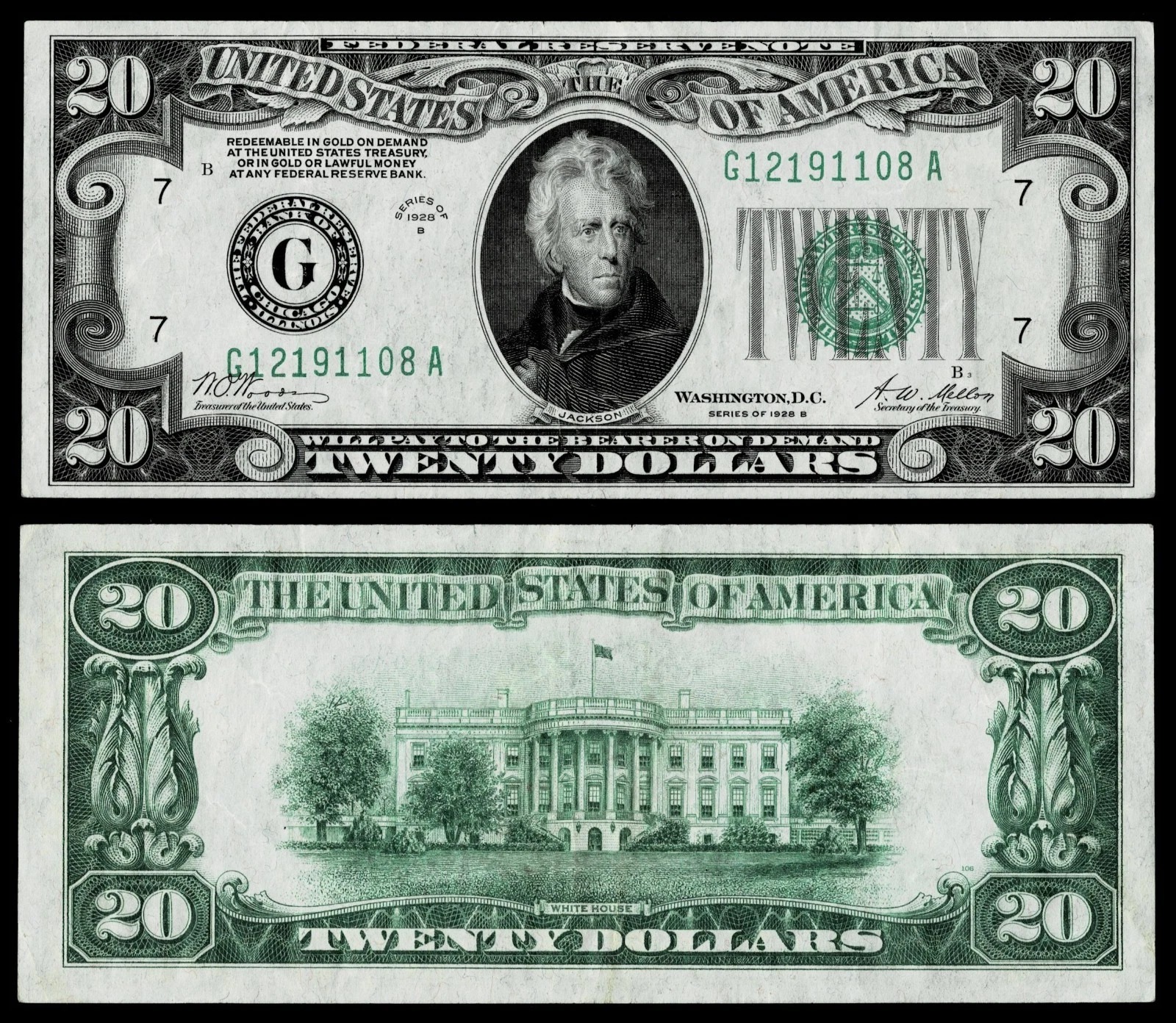
Series 1928B $20 Federal Reserve Note Varieties: Wide vs. Narrow Face Plate Differences and the Attribution Debate That Divides Collectors

The Series 1928B $20 Federal Reserve Note harbors one of the most contentious variety disputes in small-size note collecting, centered on subtle but measurable face plate differences that dramatically affect value. This deep-dive explores the technical distinctions, the history behind them, and how to confidently attribute your own examples.

Read More →

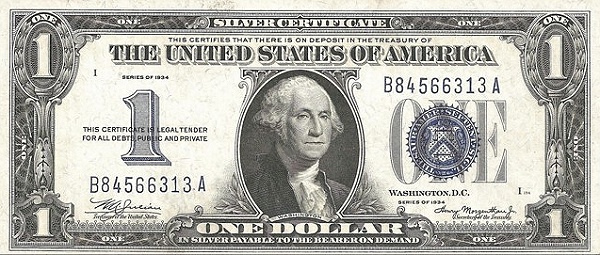
The Series 1934A $1 Silver Certificate Experimental Issues: Identifying the R and S Varieties by Serial Number Range

In 1944, the Bureau of Engraving and Printing conducted a quiet but historically significant experiment on ordinary $1 Silver Certificates, printing select notes on two different paper stocks and marking them with a red ‘R’ or ‘S’ suffix to track results. Understanding how to identify these experimental varieties by their serial number ranges opens the door to one of the most fascinating and accessible specialty areas in small-size note collecting.

Read More →

Series 1981A $1 Federal Reserve Note: How to Identify the Transitional Printing Differences from the 1981 Series

The Series 1981A $1 Federal Reserve Note marks a subtle but significant transitional moment in Bureau of Engraving and Printing history, with key differences in plate letter positioning, overprint characteristics, and signature combinations that most collectors overlook. Understanding these distinctions not only sharpens your eye for authentication but can reveal genuinely scarce varieties hiding in plain sight.

Read More →

Fake Star Notes: How to Detect Counterfeit Replacement Stars Added to Common Serial Numbers After Printing

Altered star notes — ordinary bills doctored with a crudely added star symbol to mimic valuable replacement notes — represent one of the most persistent frauds in paper money collecting. This guide walks you through the authentication techniques, known alteration methods, and red flags that every collector must know before buying a star note.

Read More →

The Series 1934 $1 Silver Certificate Varieties: The Six Signature Combinations and How to Attribute Them

The Series 1934 $1 Silver Certificate is far more complex than it first appears, spanning six distinct signature combinations that reflect over a decade of Treasury Department leadership changes. Knowing how to attribute each variety can mean the difference between paying common-note prices and recognizing a genuinely scarce piece worth multiples more.

Read More →

Optical Coincidence Errors: When Two Separate Printing Defects on the Same Note Accidentally Align Into a One-of-a-Kind Artifact

Some of the rarest and most visually striking error notes in existence are not the result of a single printing mishap, but two independent defects that happen to interact on the same piece of paper. Understanding optical coincidence errors unlocks a fascinating corner of error note collecting where rarity compounds upon rarity.

Read More →