US Notes

Foldover Before Printing Errors on $50 and $100 Federal Reserve Notes: When High-Denomination Sheets Create High-Value Error Collectibles

Foldover before printing errors on $50 and $100 Federal Reserve Notes rank among the most visually dramatic and financially significant error notes in modern American numismatics. This guide unpacks exactly how these errors form, which series command the highest premiums, and what collectors must know before spending serious money on high-denomination paper error.

Read More →
Partial Back-to-Face Offset Errors: When Wet Ink Transfers Between Sheets and Creates Ghost Images

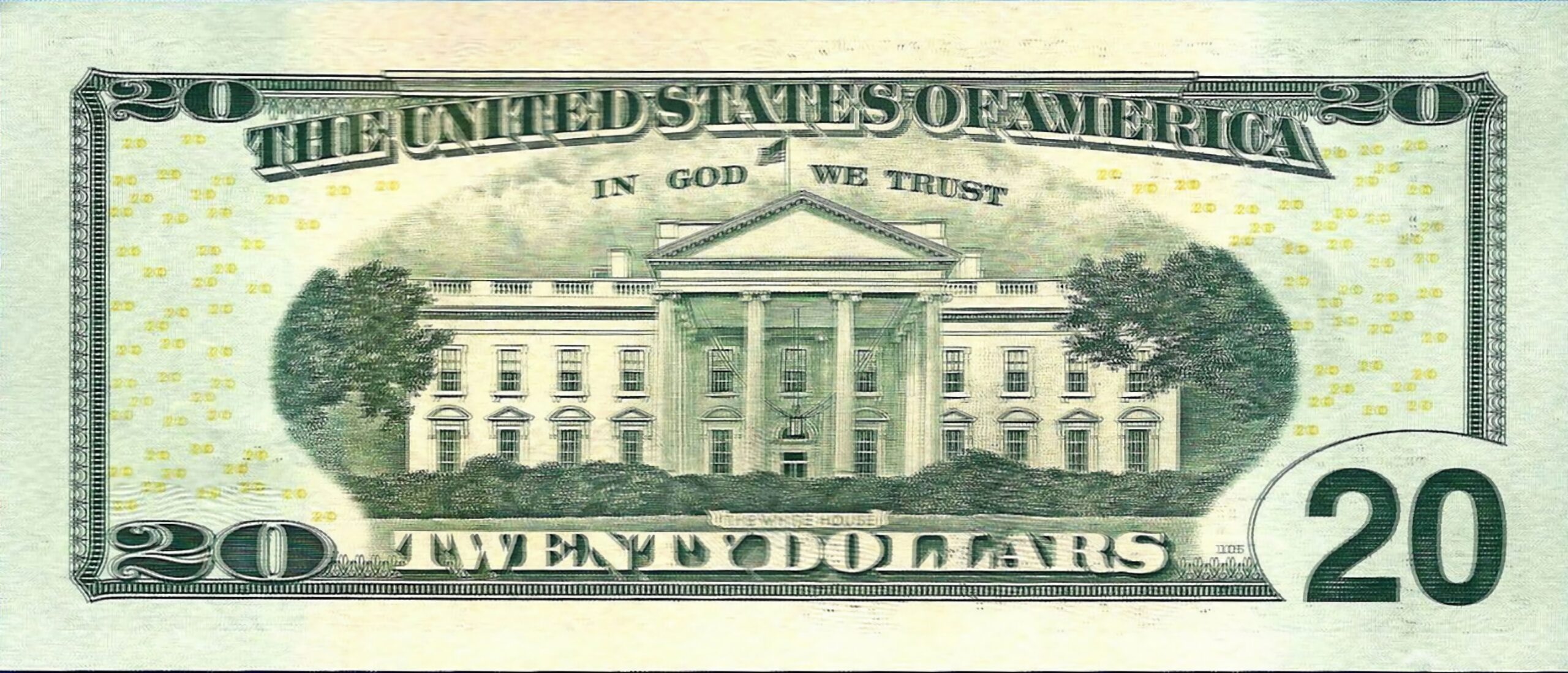
Partial back-to-face offset errors rank among the most visually dramatic printing mistakes in modern U.S. currency production, producing ghostly mirror images that haunt the face of a banknote. Understanding exactly how these errors happen, which series produced the most collectible examples, and how to authenticate them can transform how you approach the error note market.

Read More →

Double Impression Errors on Federal Reserve Notes: A Complete Collector’s Guide to Notes That Passed Through the Press Twice

Double impression errors rank among the most visually dramatic and collectible mistakes in modern U.S. currency production, created when a note passes through the intaglio or offset press a second time and receives a ghostly duplicate image. This guide breaks down how these errors occur, which series and denominations produce the most desirable examples, and what collectors should expect to pay for certified specimens.

Read More →

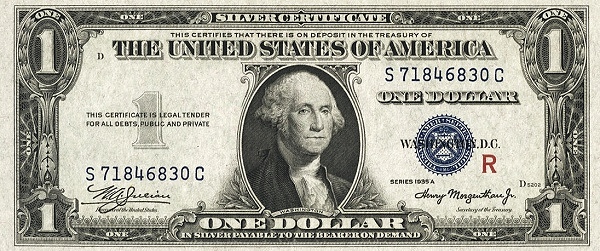
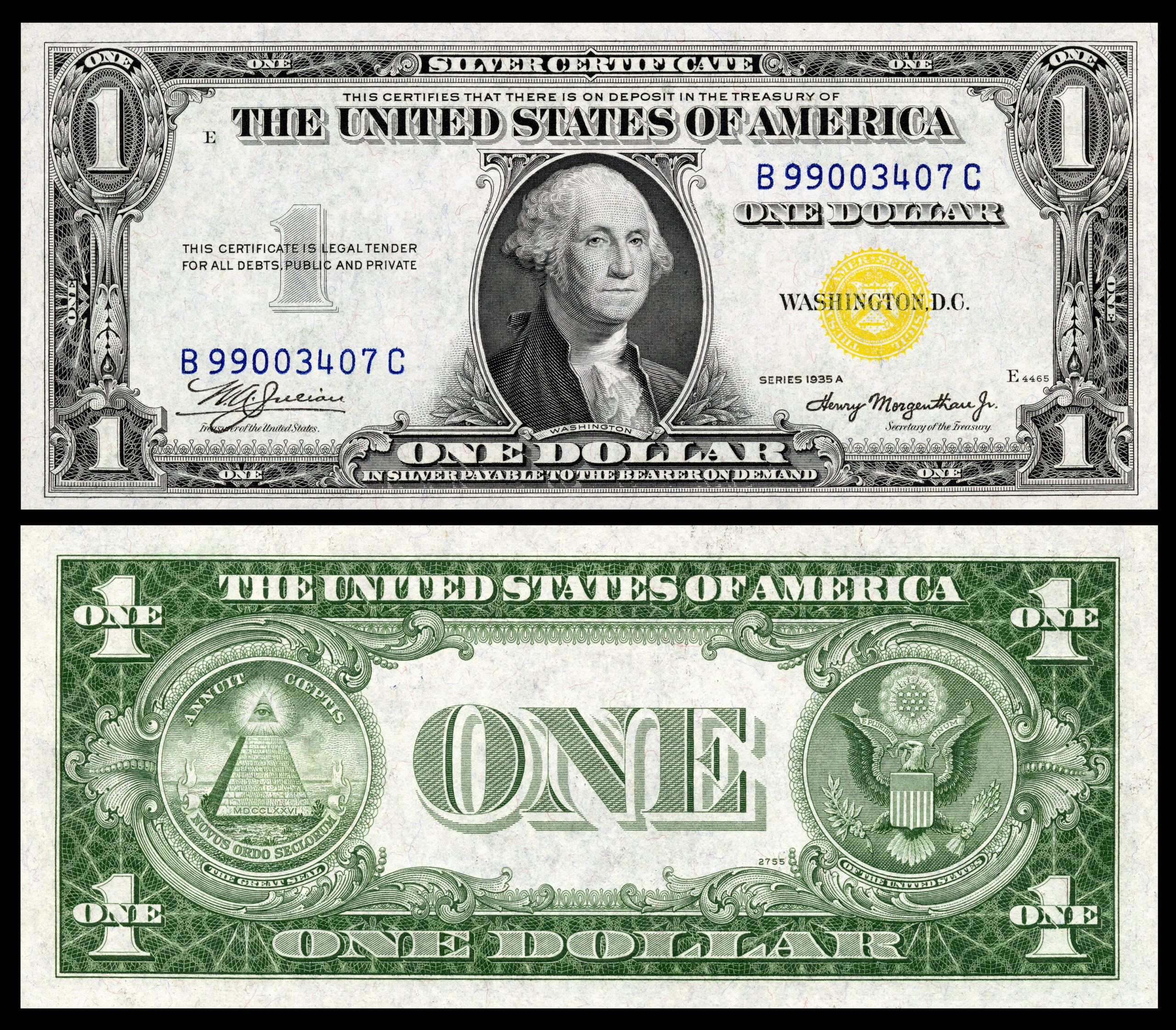
Inverted Overprint Errors on Silver Certificates: Upside-Down Seals and Serial Numbers on 1935 and 1957 Series Notes

Inverted overprint errors on 1935 and 1957 Silver Certificates rank among the most visually dramatic mistakes ever to escape a Bureau of Engraving and Printing press room, with upside-down Treasury seals and serial numbers turning ordinary one-dollar notes into serious collectibles. This guide breaks down exactly how these errors occurred, which varieties command the highest premiums, and what every collector needs to know before buying or selling one.

Read More →

Serial Number Skips and Jumps: When the Numbering Press Malfunctions and Creates Non-Sequential Pairs

When the Bureau of Engraving and Printing’s numbering presses malfunction, the result can be a fascinating class of error notes featuring serial numbers that skip, repeat, or jump far outside their expected sequence. Understanding these mechanical anomalies separates casual collectors from true error currency specialists.

Read More →

Star Note Print Runs by District: Which Federal Reserve Banks Printed the Fewest Stars

Not all Federal Reserve star notes are created equal. This deep-dive into district-by-district print run data reveals which banks consistently produced the scarcest replacement notes and why those low-mintage stars command serious premiums in today’s collector market.

Read More →

Overinking Errors on Bureau of Engraving Notes: How Filled-In Details Affect Grade and Value

Overinking errors occur when excess ink floods the recessed lines of an intaglio printing plate, obscuring fine portrait details, numerals, and lettering on finished notes. Understanding how these manufacturing defects are classified, graded, and valued can help collectors make smarter buying decisions and spot underpriced gems in dealer stocks.

Read More →

Series 1934 $1 Silver Certificate: The Dark Green vs. Light Green Seal Mystery Explained

The Series 1934 $1 Silver Certificate comes in two distinct seal color varieties that have puzzled collectors for decades. Learn how to tell them apart, why they exist, and which one is worth hunting for in today’s market.

Read More →

Mismatched District Letter and Seal on Series 1963 Federal Reserve Notes: The Mechanics of How This Error Occurs

The mismatched district letter and seal error on Series 1963 Federal Reserve Notes stands among the most technically fascinating and collectible printing mistakes in modern US currency history. Understanding exactly how these errors occur, which combinations exist, and what to look for can transform your approach to searching circulation finds and auction lots.

Read More →

Repeater and Super Repeater Serial Numbers: What Makes a Note a Collector Fancy

Repeater and super repeater serial numbers are among the most sought-after fancy notes in modern currency collecting, prized for their striking numerical patterns and genuine scarcity within massive print runs. This guide breaks down exactly what qualifies a note as a repeater or super repeater, how to find them, and what they are realistically worth across denominations and series.

Read More →