US Notes

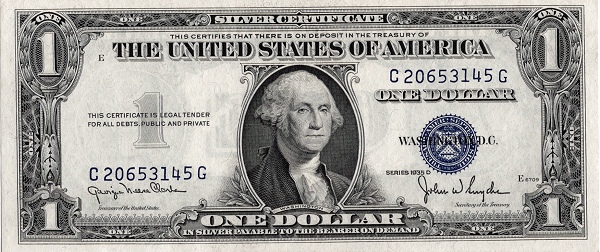
Series 1934 $1 Silver Certificate: The Dark Green vs. Light Green Seal Mystery Explained
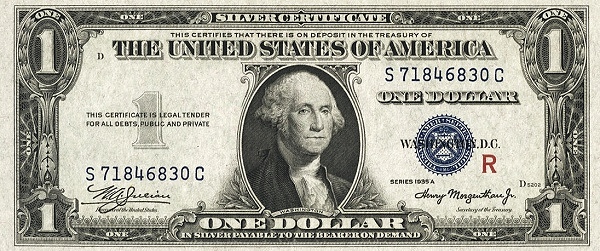
The Series 1934 $1 Silver Certificate comes in two distinct seal color varieties that have puzzled collectors for decades. Learn how to tell them apart, why they exist, and which one is worth hunting for in today’s market.

Read More →
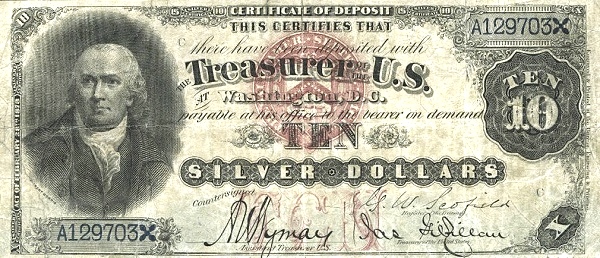
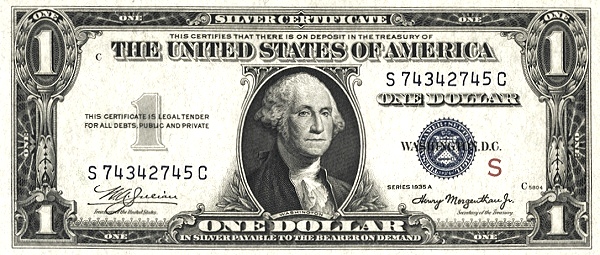
The Seal of the Treasury Department on US Currency: How Its Design Changed from 1862 to the Present

Few elements of American paper money carry more historical weight than the Treasury seal, yet most collectors overlook its evolution across 160 years of currency design. This deep dive traces every major change to the seal’s appearance, color, and placement, giving you the tools to date, attribute, and value notes more precisely.

Read More →

The Series 1878 $1 Silver Certificate: The Very First Silver Certificate Issue and What Makes It Unique

The Series 1878 $1 Silver Certificate holds a singular place in American monetary history as the very first silver certificate ever issued by the United States government. Understanding its design varieties, signature combinations, and surviving populations is essential knowledge for any collector serious about large-size currency.

Read More →

Thomas F. Morris and the BEP Engravers Who Defined 19th Century American Currency Portraits

The faces staring back at you from 19th century United States currency were carved into steel by a small brotherhood of master engravers whose names rarely appear in standard price guides. This deep dive into Thomas F. Morris and his contemporaries at the Bureau of Engraving and Printing reveals how their craft decisions directly affect rarity, collector value, and the visual identity of American money.

Read More →

The About Uncirculated 55 Grade: How One Corner Fold Separates This Grade from Uncirculated and What It Costs Collectors

The AU55 grade sits at one of the most consequential crossroads in paper money collecting, where a single light fold can slash a note’s value by 30 to 60 percent compared to its Uncirculated counterpart. Understanding exactly what defines this grade, how graders detect that telltale fold, and how the AU55 premium plays out across specific series and denominations can save collectors hundreds or even thousands of dollars.

Read More →

Geometric Lathe Work on 19th Century US Currency: How Spirograph-Style Patterns Defeated Counterfeiters

The intricate rose engine and geometric lathe patterns woven into 19th century American banknotes were not merely decorative flourishes but sophisticated anti-counterfeiting technology that defined an era of currency design. Understanding these patterns helps collectors identify genuine notes, spot alterations, and appreciate why certain series command premium values today.

Read More →

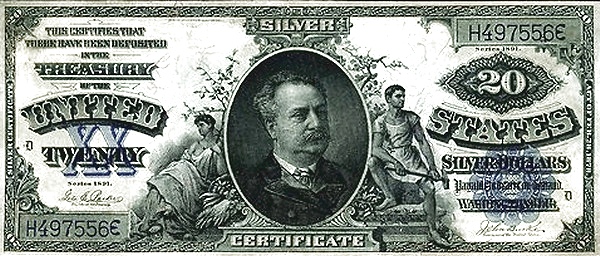
The Series 1891 $2 Silver Certificate: William Windom’s Portrait and One of the Shortest Production Runs in 19th-Century Currency

The Series 1891 $2 Silver Certificate is a fascinating and scarce large-size note featuring Treasury Secretary William Windom, produced during a narrow window before Windom’s death in January 1891 effectively closed the chapter on this design. Collectors prize this note for its rarity, its unique portrait subject, and the numismatic stories packed into its brief production history.

Read More →

Fading vs. Toning on Silver Certificates: How Blue Seal Color Loss Affects Your Note’s Grade

The blue Treasury seal on Silver Certificates is one of the most grading-sensitive elements in all of U.S. paper money collecting, and distinguishing problematic fading from acceptable natural toning can mean hundreds of dollars in value. This guide breaks down exactly how professional graders evaluate seal color, what causes each type of color change, and how collectors can protect and identify their Silver Certificates with confidence.

Read More →

Hawaii Overprint Notes Series 1935A: The Emergency Currency That Could Have Saved the Pacific

Issued in the anxious weeks following Pearl Harbor, Hawaii overprint notes represent one of the most dramatic emergency currency programs in American history. Understanding their origins, varieties, and condition pitfalls can make the difference between a shrewd purchase and an expensive mistake.

Read More →

Insufficient Margin Errors on Large-Size Notes: How Sheet Registration Failures Created Cutting Oddities Before 1929

Before the Bureau of Engraving and Printing standardized its cutting procedures in the small-size era, large-size notes were vulnerable to dramatic sheet registration failures that produced some of the most visually striking error currency in American numismatic history. Understanding how these cutting oddities occurred, which series are most affected, and what separates a genuine error from post-issuance trimming is essential knowledge for any serious collector of pre-1929 paper money.

Read More →