US Notes

The Allegorical Figure of Mechanics on the 1896 $2 Educational Silver Certificate Reverse: Industry, Electricity, and Classical Composition
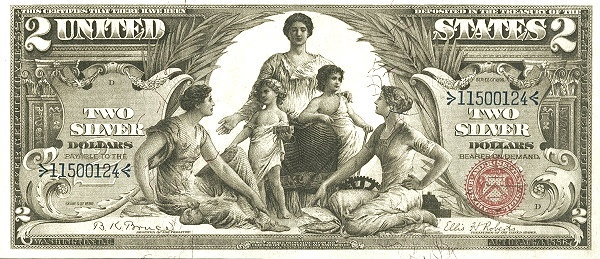
The reverse of the 1896 $2 Educational Silver Certificate features one of the most ambitious allegorical compositions ever engraved on American currency, pairing the figure of Mechanics with a dynamo and classical architectural grandeur. Understanding this imagery unlocks the full artistic vision of the Educational Series and explains why these notes command such fierce competition among advanced collectors.

Read More →
Inverted Overprint Errors on Silver Certificates: Upside-Down Seals and Serial Numbers on 1935 and 1957 Series Notes

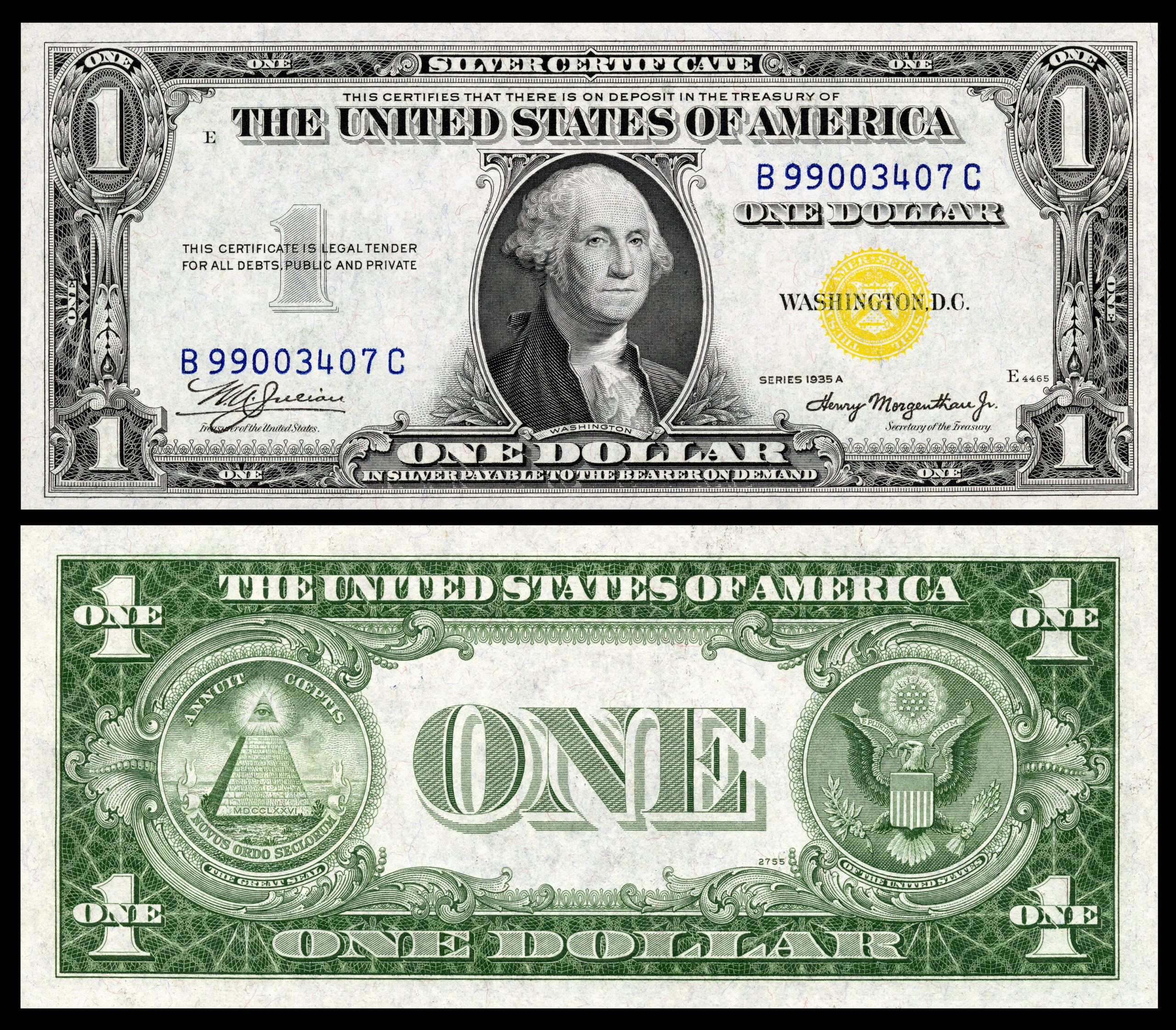
Inverted overprint errors on 1935 and 1957 Silver Certificates rank among the most visually dramatic mistakes ever to escape a Bureau of Engraving and Printing press room, with upside-down Treasury seals and serial numbers turning ordinary one-dollar notes into serious collectibles. This guide breaks down exactly how these errors occurred, which varieties command the highest premiums, and what every collector needs to know before buying or selling one.

Read More →

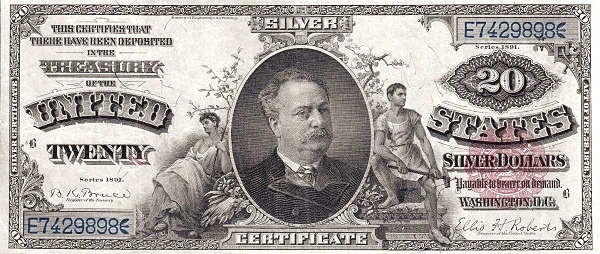
Vignettes and Allegorical Figures on Large-Size Silver Certificates: What They Mean and Why Collectors Should Care

The elaborate vignettes and allegorical figures engraved on large-size Silver Certificates are far more than decoration, they encode 19th-century political ideals, classical mythology, and the aspirations of a young republic into every note. Understanding what these images represent transforms the way you read and collect these remarkable pieces of American art.

Read More →

The Series 1891 $100 Silver Certificate David Farragut Portrait: One of the Scarcest Large-Size Type Notes

The Series 1891 $100 Silver Certificate featuring Admiral David Farragut is among the most elusive large-size type notes in American currency history, with a surviving population so small that most collectors never encounter one in a lifetime of searching. This deep-dive covers its history, signature varieties, grading realities, and what you need to know if you ever get the chance to acquire one.

Read More →

The Series 1886 $10 Silver Certificate: Tombstone Predecessor Designs and the Tiffany Back Varieties

The Series 1886 $10 Silver Certificate stands among the most visually dramatic large-size notes ever produced by the U.S. Bureau of Engraving and Printing, featuring the iconic ‘Tombstone’ reverse and a suite of rare signature combinations that challenge even advanced collectors. This deep dive covers every major variety, known populations, and what separates a mediocre example from a condition-census specimen.

Read More →

Steel, Silver, and Paper: How the 1942–1944 Wartime Coin Shortage Drove Americans to Hoard Currency and Shaped Note Survivorship Forever

When wartime metal demands stripped coins from American pockets between 1942 and 1944, millions of citizens turned to paper currency as an everyday substitute, unknowingly creating one of the most fascinating survivorship patterns in modern US note collecting. Understanding this hoarding behavior unlocks why certain series from this era survive in unexpectedly high grades today, while others remain stubbornly scarce.

Read More →

The Series 1899 $1 Silver Certificate Black Eagle Star Notes: Why Replacement Notes from This Issue Are Among the Scarcest Small-Series Stars

The Series 1899 $1 Silver Certificate is one of the most beloved large-size notes in American currency history, but its star note replacements occupy a rarefied tier that few collectors ever hold in hand. This guide unpacks the printing history, known populations, and practical guidance for anyone chasing one of the great white whales of large-size paper money.

Read More →

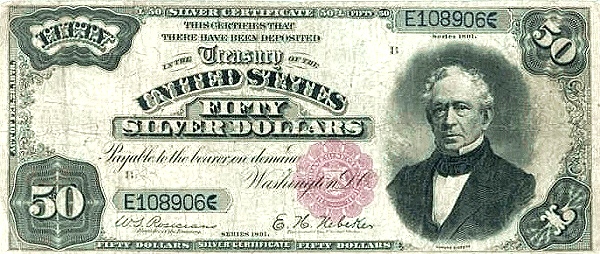
The Series 1891 $50 Silver Certificate Edward Everett Portrait: An Almost Unknown Large-Size Type

The Series 1891 $50 Silver Certificate featuring Edward Everett is one of the rarest and most overlooked large-size notes in American numismatics, with surviving examples numbering in the dozens. This deep-dive explores its history, design, signature combinations, and why collectors fortunate enough to encounter one should treat it as a once-in-a-lifetime opportunity.

Read More →

The Currency of the Alaska Gold Rush: How Klondike Prospectors Used and Abused Federal Reserve and National Bank Notes

When gold fever swept the Klondike in 1896 and ignited the stampede to Alaska and the Yukon, paper money took an extraordinary beating in some of the most brutal conditions on earth. Understanding which notes circulated during this era, how they survived, and what collectors should look for today opens a fascinating window into one of American history’s most dramatic episodes.

Read More →

The Harvest Scene on the 1896 $1 Educational Silver Certificate Reverse: Agricultural Allegory and Its Classical Roman Sources

The reverse of the 1896 $1 Educational Silver Certificate features one of the most breathtaking allegorical compositions ever engraved on American paper money, a harvest scene rooted in classical Roman iconography that transformed a one-dollar bill into a work of fine art. Understanding its imagery, its artistic sources, and its place in currency collecting history will deepen your appreciation of what many consider the most beautiful note ever issued by the United States Treasury.

Read More →