
US Notes

William Fessenden’s Forgotten Legacy: How Lincoln’s Second Treasury Secretary Reshaped American Currency in 1864
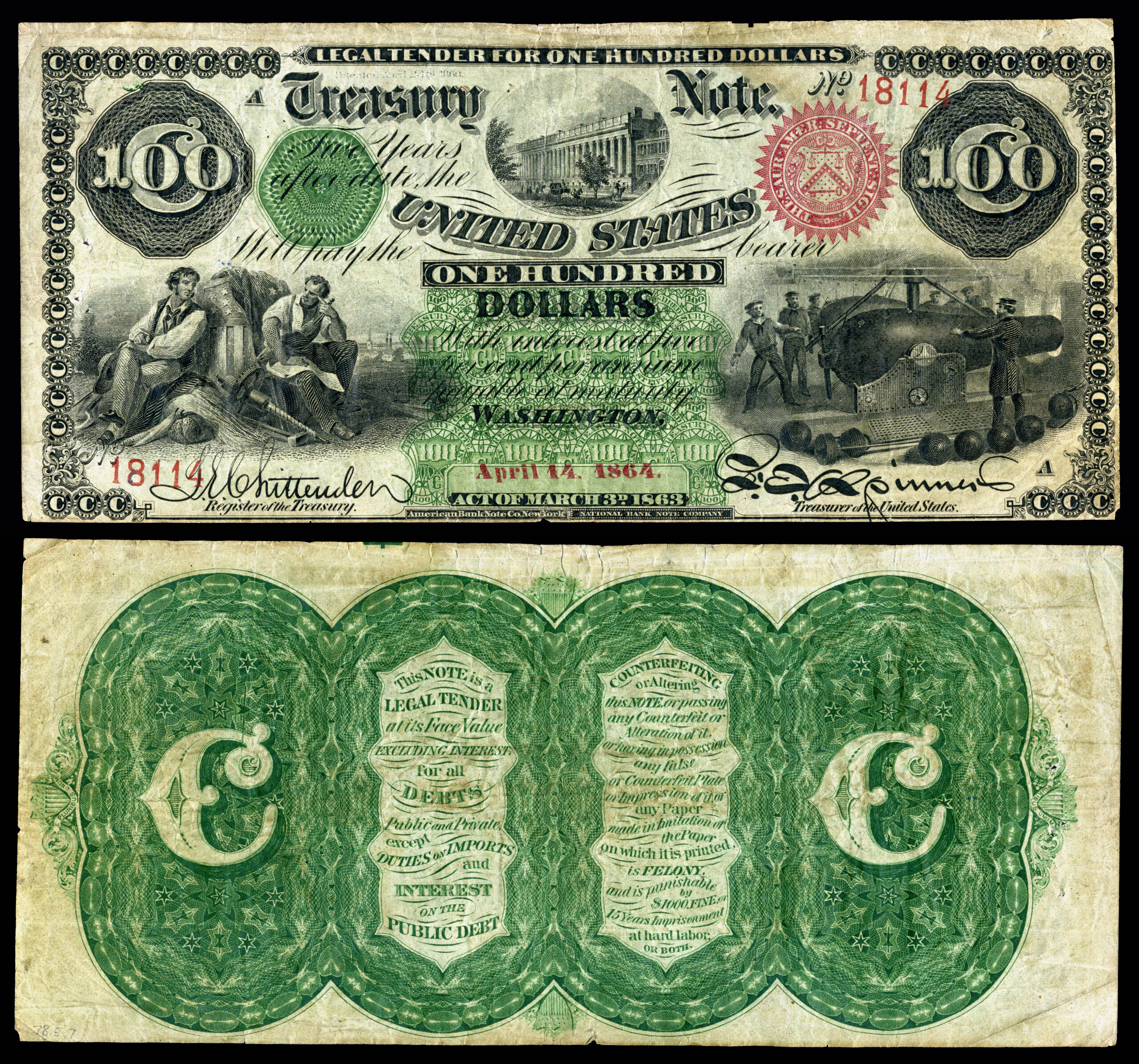
When Salmon Chase resigned in June 1864, Maine senator William Pitt Fessenden inherited a Treasury in crisis and quietly engineered currency reforms that collectors still encounter today. Understanding his brief but consequential tenure unlocks the story behind some of the most historically significant Civil War-era notes in American numismatics.

Read More →
Circulated Grades for Large-Size Notes: Why Fine-15 Can Still Be a Spectacular Note

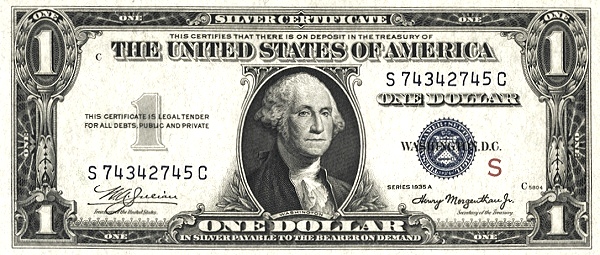
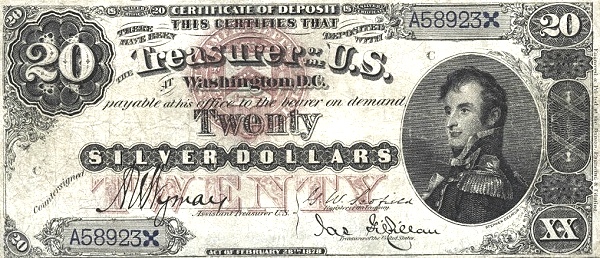
Grading large-size US currency is a nuanced art, and a Fine-15 note is far from the consolation prize many newcomers assume it to be. This guide breaks down what circulated grades really mean for pre-1929 paper money and why condition-obsessed thinking can cause collectors to miss genuinely stunning pieces of American monetary history.

Read More →

The Series 1875 $5 United States Note: The Pioneering ‘Family Back’ Design and Why Attribution Is Difficult for New Collectors

The Series 1875 $5 United States Note introduced one of the most visually striking reverse designs in American currency history, yet its many signature combinations and subtle plate varieties make accurate attribution a genuine challenge. This guide breaks down every major variety, explains the Treasury seal changes, and gives collectors the tools to confidently identify what they actually hold.

Read More →

The United States Notes Act of 1878: Why Congress Forced Treasury to Maintain $346,681,016 in Legal Tender Notes Permanently

In 1878, Congress passed landmark legislation locking the volume of United States Notes at exactly $346,681,016 forever, a political and monetary decision that would shape American currency for the next century. Understanding this act unlocks the collecting story behind every Legal Tender Note issued after that date, from common circulated examples to the rarest high-denomination survivors.

Read More →

United States Notes Series 1966 $100 Red Seal: The Last Legal Tender Note Issued for General Circulation

The Series 1966 $100 United States Note holds a singular place in American monetary history as the final large-denomination Legal Tender Note ever issued for general circulation. Understanding its origins, varieties, and collector market will help you evaluate and appreciate one of the most historically significant pieces of 20th-century American paper money.

Read More →

The Seal of the Treasury Department on US Currency: How Its Design Changed from 1862 to the Present

Few elements of American paper money carry more historical weight than the Treasury seal, yet most collectors overlook its evolution across 160 years of currency design. This deep dive traces every major change to the seal’s appearance, color, and placement, giving you the tools to date, attribute, and value notes more precisely.

Read More →

Thomas F. Morris and the BEP Engravers Who Defined 19th Century American Currency Portraits

The faces staring back at you from 19th century United States currency were carved into steel by a small brotherhood of master engravers whose names rarely appear in standard price guides. This deep dive into Thomas F. Morris and his contemporaries at the Bureau of Engraving and Printing reveals how their craft decisions directly affect rarity, collector value, and the visual identity of American money.

Read More →

The Series 1880 $1 United States Note: Large Seal vs. Small Seal Varieties and the Signature Combinations That Separate Them

The Series 1880 $1 United States Note presents collectors with one of the most fascinating variety puzzles in large-size currency, where seal size and signature combinations create a hierarchy of rarity that spans from readily available to genuinely elusive. Understanding exactly which seal type pairs with which signatures, and what those distinctions mean for grading and value, can make the difference between a savvy buy and a costly mistake at auction.

Read More →

Geometric Lathe Work on 19th Century US Currency: How Spirograph-Style Patterns Defeated Counterfeiters

The intricate rose engine and geometric lathe patterns woven into 19th century American banknotes were not merely decorative flourishes but sophisticated anti-counterfeiting technology that defined an era of currency design. Understanding these patterns helps collectors identify genuine notes, spot alterations, and appreciate why certain series command premium values today.

Read More →

Trumbull’s Masterpiece in Steel: The Declaration of Independence Vignette on Large-Size US Notes

John Trumbull’s iconic 1818 painting of the Declaration of Independence signing was translated into one of the most detailed and historically significant vignettes ever engraved for American paper money. Understanding how this image appeared across large-size notes, which engravers executed the work, and which specific varieties carry the vignette gives collectors a richer appreciation for the artistry hiding in plain sight on their notes.

Read More →