US Notes

The Teapot Dome Scandal and Federal Reserve Notes: How 1920s Corruption Shook Public Trust in Paper Currency

The Teapot Dome Scandal of the early 1920s did more than topple a cabinet secretary — it cast a long shadow over public faith in government institutions, including the Federal Reserve System and its paper currency. Understanding this political crisis helps collectors appreciate why certain Series 1923 and 1928 Federal Reserve Notes carry such historical weight beyond their catalog values.

Read More →
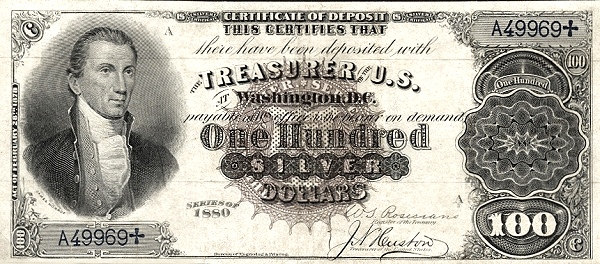
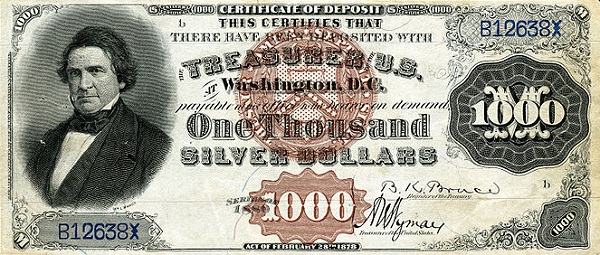
The Assassination of President Garfield and Its Unexpected Effect on Currency Portrait Selection in the 1880s

When Charles Guiteau shot President James A. Garfield on July 2, 1881, the political shockwaves reached all the way to the Bureau of Engraving and Printing, reshaping which faces appeared on American paper money for decades. This deep dive explores how mourning, politics, and Treasury Department policy collided to redirect US currency portrait selection in ways that still affect the notes collectors hunt today.

Read More →

Silverites vs. Gold Bugs: How the 1890s Currency Debates Transformed Silver Certificate Production

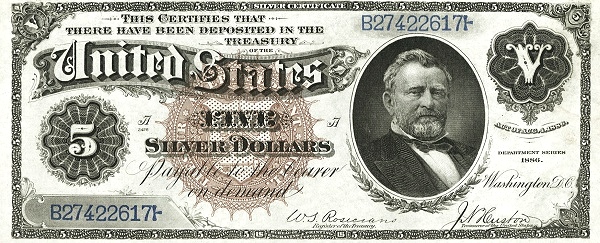
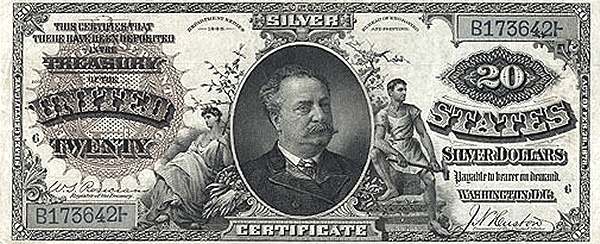
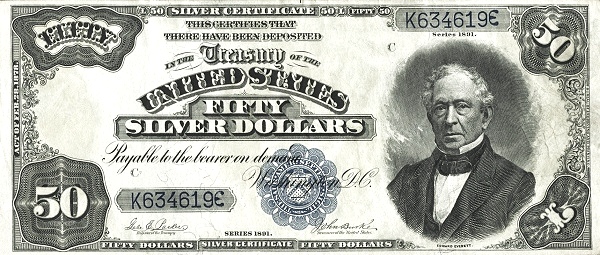
The fierce monetary battles of the 1890s, culminating in William Jennings Bryan’s legendary ‘Cross of Gold’ speech, directly shaped the design, volume, and ultimate fate of Silver Certificate production in America. Understanding this political firestorm helps collectors decode the rarest and most historically charged notes of the era.

Read More →

How Graders Evaluate Paper Strength in Large-Size Notes: Split, Soft, and Brittle Paper and the Grades They Earn

Paper strength is one of the most misunderstood yet critical factors in large-size note grading, capable of dropping an otherwise attractive note by two or three full grade points. This guide breaks down exactly how PCGS Currency and PMG evaluators assess split, soft, and brittle paper conditions, with specific examples from popular large-size series and the grade penalties each defect earns.

Read More →

McKinley’s Assassination and Roosevelt’s Currency Revolution: How One Bullet Changed the Faces on American Money

When an anarchist’s bullet struck President William McKinley on September 6, 1901, the ripple effects reached far beyond politics, reshaping the very faces Americans saw on their paper currency for decades. This deep-dive examines how Theodore Roosevelt’s Treasury appointments and the currency reforms of 1902 to 1923 transformed the visual landscape of US banknotes, with specific guidance on the key series, signature combinations, and collectible varieties that resulted.

Read More →

The Series 1896 $5 Educational Silver Certificate: Why Grant and Sheridan Appear in Reverse Order and the Fascinating Printing History Behind It

The Series 1896 $5 Educational Silver Certificate is one of the most artistically celebrated notes in American currency history, yet its portrait arrangement of Ulysses S. Grant and Philip Sheridan has puzzled collectors for over a century. This deep dive uncovers the printing decisions, engraving choices, and series history that make this note a cornerstone of any advanced collection.

Read More →

Paper Fiber Composition and Currency Grading: What Cotton, Linen, and Those Red and Blue Threads Really Mean for Your Notes

The paper beneath the ink is the foundation of every grading decision you will ever make about a piece of United States currency. Understanding how cotton and linen fibers behave over decades, and what the embedded red and blue threads actually tell you about authenticity and condition, can sharpen your eye and protect your wallet.

Read More →

Typography on United States Currency: How Lettering Styles Changed from 1861 to the Present

From the ornate Gothic scripts of Civil War-era Demand Notes to the clean sans-serif fonts of modern Federal Reserve Notes, the typography on US currency tells a fascinating story of art, technology, and national identity. This deep dive examines every major lettering transition, explains why certain typefaces were chosen, and shows collectors which typographic varieties command serious premiums.

Read More →

The First American Currency Museum: How the Smithsonian Institution Began Collecting Paper Money and What Their Holdings Tell Us About Survivorship

The Smithsonian Institution’s National Numismatic Collection holds some of the most historically significant paper money ever printed in the United States, and its acquisition history reveals surprising truths about which notes actually survived the 19th century. Understanding what the Smithsonian has, and crucially what it is missing, gives collectors a powerful framework for evaluating true rarity in the marketplace today.

Read More →

Ships, Trains, and Industry: Transportation Vignettes on 19th Century US Currency

The steam engines, sailing vessels, and industrial scenes engraved onto 19th century US banknotes tell a fascinating story about American ambition and technological pride. This guide decodes the specific vignettes, their catalog identifications, and what they mean for collectors hunting these magnificent pieces today.

Read More →