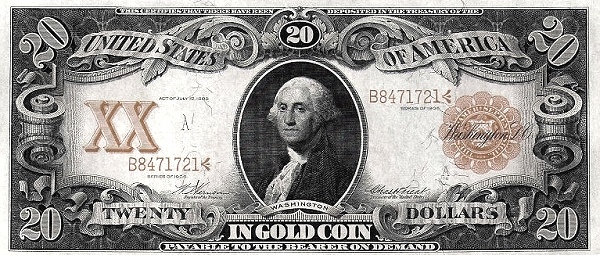
US Notes

The 58 EPQ Grade: Why About Uncirculated Currency with Exceptional Paper Quality Rivals Lower-Graded Gem Examples in Collector Preference

A PCGS or PMG grade of 58 EPQ sits at a fascinating crossroads in currency collecting, where a note with barely detectable handling can outperform a technically higher-graded example lacking the EPQ designation. Understanding why collectors increasingly prize the AU-58 EPQ grade over 63 or even 64 non-EPQ notes can reshape your entire buying strategy.

Read More →
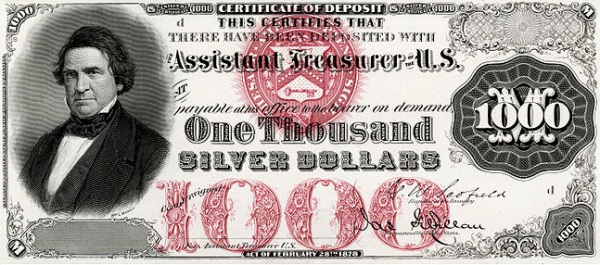
The Allegorical Figure of Electricity on the 1896 $2 Educational Silver Certificate: Art Nouveau Meets Currency

The 1896 $2 Educational Silver Certificate is widely considered the most beautiful piece of paper money ever issued by the United States, featuring an allegorical figure of Electricity that brought genuine fine art to American currency. Understanding the design history, signature varieties, and grading nuances of this iconic note is essential knowledge for any serious collector of large-size currency.

Read More →

The Series 1880 $100 United States Note: Legal Tender Giants and Their Surviving Population

The Series 1880 $100 United States Note stands among the most visually striking large-size legal tender issues ever produced by the U.S. Treasury, combining bold design elements with a fascinating array of signature combinations and seal varieties. Understanding the surviving population, key varieties, and what separates a common circulated example from a true condition rarity is essential knowledge for any serious large-size note collector.

Read More →

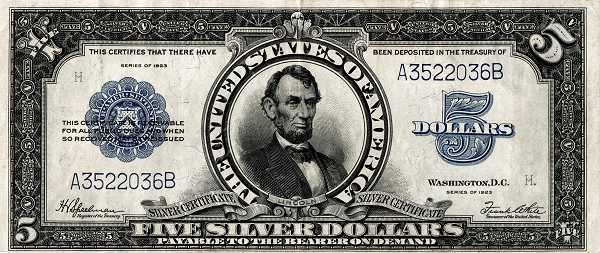
The Lincoln Memorial Under Construction: How the 1923 $5 Silver Certificate Depicted a Building Not Yet Complete

The 1923 $5 Silver Certificate captured an extraordinary historical moment, featuring the Lincoln Memorial on its reverse at a time when the monument had barely opened to the public. For collectors, this note represents a fascinating intersection of architectural history and currency design that makes it one of the most narratively rich pieces in any collection.

Read More →

The Series 1863 $100 United States Note Legal Tender: The Eagle on Shield Design and Civil War Era Survivorship

The Series 1863 $100 United States Note stands as one of the most visually striking and historically significant pieces of American paper money, born from the financial desperation of a nation at war with itself. Collectors at every level will find this guide indispensable for understanding the design origins, signature varieties, grading challenges, and true rarity of these Civil War survivors.

Read More →

Western Scenes on National Bank Notes: Cowboys, Bison, and Frontier Imagery in 19th and Early 20th Century US Currency

National Bank Notes issued between the 1860s and 1920s featured some of the most dramatic frontier imagery ever printed on American paper money, from bison herds and pioneer wagons to Native American portraits and cattle drives. This guide breaks down the specific series, vignettes, engravers, and collecting strategies that make these notes among the most visually compelling pieces in American numismatics.

Read More →

The $100 Gold Certificate Series 1922: Large-Size Eagles and Why Collectors Prize Them

The Series 1922 $100 Gold Certificate stands as one of the most visually stunning and historically significant notes ever issued by the United States Treasury, featuring the iconic eagle vignette that has captivated collectors for over a century. This deep-dive covers everything from print run data and signature varieties to grading pitfalls and current market values, giving you the knowledge to pursue this remarkable note with confidence.

Read More →

The Reverse Design of the 1890 Treasury Note: The Most Ornate Back in US Currency History

The 1890 Treasury Note series produced some of the most elaborately engraved reverse designs ever printed on American paper money, earning these notes the nickname ‘Tombstone Notes’ among collectors. This deep dive explores the artistic achievement behind these backs, the engravers who created them, and why specific denominations command prices well into five and six figures today.

Read More →

Federal Reserve Bank Notes Series 1918 $1 Green Eagle Back: District Varieties and Why Boston Issues Lead the Market

The Series 1918 $1 Federal Reserve Bank Note, nicknamed the ‘Green Eagle Back’ for its bold reverse design, stands as one of the most district-diverse large-size collectibles in American paper money. This deep-dive covers every issuing district, signature combinations, print run data, and explains why Boston notes consistently command a premium over their counterparts.

Read More →

Inverted Back Errors on National Bank Notes: The Mechanics of Large-Size Sheet Printing That Made Them Possible

Inverted back errors on large-size National Bank Notes rank among the most dramatic and mechanically fascinating mistakes in American currency history. This deep-dive explores exactly how two-pass intaglio printing created the conditions for these spectacular errors, which specific notes are known, and what collectors should understand before pursuing one.

Read More →