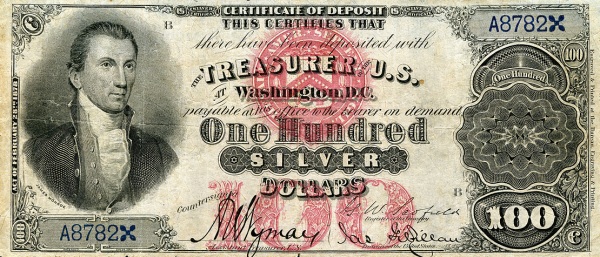
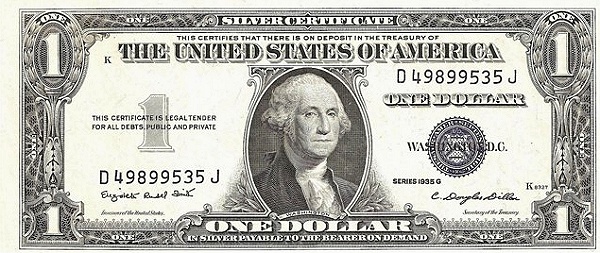
US Notes

The Series 1890 $2 Treasury Note McPherson Back: A Forgotten Denomination Collectors Rarely Discuss

The Series 1890 $2 Treasury Note with its ornate ‘McPherson Back’ design stands as one of the most visually stunning yet persistently overlooked issues in large-size American currency. This guide explores its history, signature varieties, rarity grades, and what collectors at every level should know before pursuing one.

Read More →
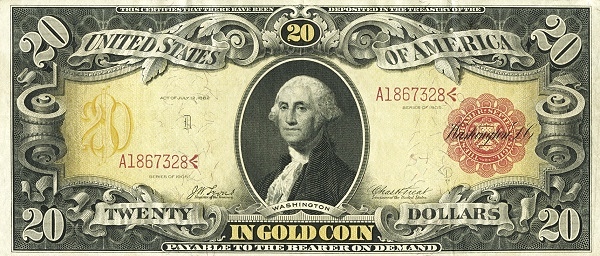
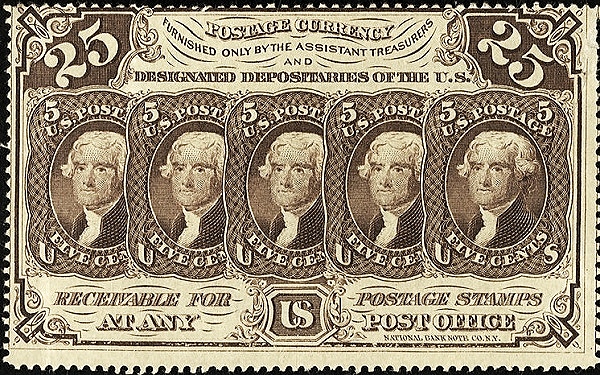
The Signatures on US Currency: A Visual History of How Treasury Secretary and Register Autographs Changed from Handwritten to Engraved

The signatures appearing on United States paper money tell a surprisingly rich story about the evolution of American currency production, from hand-signed notes of the 1860s to the precision-engraved facsimiles of today. Understanding signature combinations, their dates of use, and their relative scarcity is one of the most rewarding areas of study for serious currency collectors.

Read More →

The Landing of Columbus Vignette on National Bank Notes: Art, History, and Placement

Few images in American currency history carry the symbolic weight of the Landing of Columbus vignette, a dramatic scene that appeared on some of the most collectible National Bank Notes ever issued. This guide explores the artistic origins, engraving history, and specific note types where collectors can find this iconic image today.

Read More →

The Color Scheme of the 1882 Gold Certificate Brown Back: Why Gold and Orange Were Chosen to Signal Bullion Convertibility

The 1882 Gold Certificate Brown Back series is one of the most visually striking issues in American paper money history, with its warm amber and orange-brown tones carrying deliberate meaning about the note’s bullion-backed status. This article unpacks the design philosophy, printing technology, and collecting landscape surrounding these remarkable large-size notes.

Read More →

William Gibbs McAdoo and the Federal Reserve’s First Years: How Wilson’s Treasury Secretary Shaped Early FRN Design

William Gibbs McAdoo served as Treasury Secretary from 1913 to 1918, overseeing the birth of the Federal Reserve System and signing the very first Federal Reserve Notes ever issued. Understanding his role unlocks the story behind some of the most historically significant and collectible paper money in American numismatic history.

Read More →

Grading Treasury Notes of 1890: Why the Ornate Jewel Back Makes Condition Assessment More Complex Than for Standard Legal Tender Notes

The Treasury Notes of 1890 present a unique grading challenge thanks to their elaborately engraved reverses, where fine detail loss is nearly invisible until a note drops several grade points. Understanding how the Jewel Back affects condition assessment can mean the difference between paying wholesale and retail prices for the same piece.

Read More →

The Fasces Symbol on US Currency: Roman Authority, Bundled Strength, and Its Appearances from Fractional Currency to Modern FRNs

Few symbols carry as much historical weight as the fasces, a bundle of rods bound around an axe that signified Roman magisterial power for centuries before appearing on American coins and paper money. This deep dive traces every significant fasces appearance on US currency, from Civil War-era fractional notes to the Lincoln Memorial reverse, with specific catalog numbers and collector values to guide your hunt.

Read More →

The Indian Chief Vignette on $5 and $10 Silver Certificates: How Native American Imagery Was Used and Later Retired

Among the most visually striking notes in all of American paper money history, the $5 and $10 Silver Certificates featuring Native American portrait vignettes occupy a unique and contested place in numismatic lore. This deep dive explores the origins, printing history, signature combinations, and collector market for these iconic 19th-century issues.

Read More →

The Frigate Constitution on the 1918 $2 Federal Reserve Bank Note: Naval History Meets Currency Art

The 1918 $2 Federal Reserve Bank Note carries one of the most dramatic vignettes in American currency history: the legendary warship USS Constitution under full sail. This deep dive explores why the Treasury chose a naval scene for a circulating banknote, how to identify and grade these notes, and which district issues are the true keys to a complete collection.

Read More →

The Series 1899 $1 Silver Certificate Black Eagle: Varieties, Signatures, and Why It Remains a Collector Favorite

The Series 1899 $1 Silver Certificate, nicknamed the ‘Black Eagle,’ is one of the most iconic and widely collected pieces of American paper money, featuring a striking large-format design that has captivated collectors for generations. This guide breaks down every signature combination, key varieties, grading considerations, and current market values to help you build a smarter collection.

Read More →