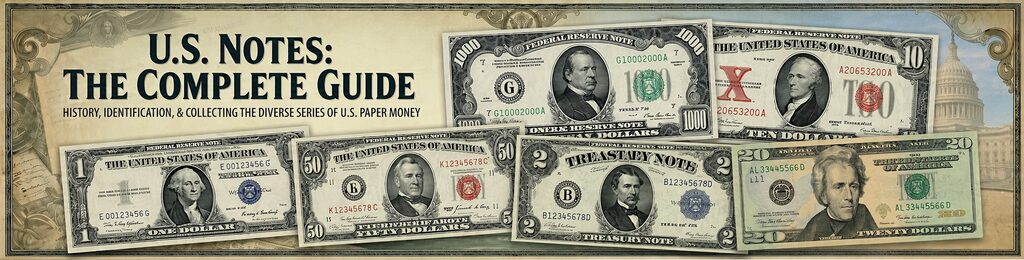
US Notes

The Series 1880 $1 United States Note: Large Seal vs. Small Seal Varieties and the Signature Combinations That Separate Them

The Series 1880 $1 United States Note presents collectors with one of the most fascinating variety puzzles in large-size currency, where seal size and signature combinations create a hierarchy of rarity that spans from readily available to genuinely elusive. Understanding exactly which seal type pairs with which signatures, and what those distinctions mean for grading and value, can make the difference between a savvy buy and a costly mistake at auction.

Read More →
Series 1934D $20 Federal Reserve Note: The Last Pre-Security-Redesign Twenty and Its Dramatic District Population Differences

The Series 1934D $20 Federal Reserve Note holds a unique position in American currency history as the final twenty-dollar bill printed before the landmark 1950 redesign introduced updated security and aesthetic features. Understanding the striking population differences across Federal Reserve districts, signature combinations, and condition scarcities makes this an essential study for any serious collector of mid-century American paper money.

Read More →

Series 1934 $10 Federal Reserve Note Mule Varieties: Large Plate Number vs. Small Plate Number Issues Explained

The Series 1934 $10 Federal Reserve Note produced one of the most fascinating transitional varieties in twentieth-century U.S. currency: the mule. Understanding how large and small plate numbers created these hybrid notes can sharpen your eye at currency shows and potentially reveal hidden treasures in your collection.

Read More →

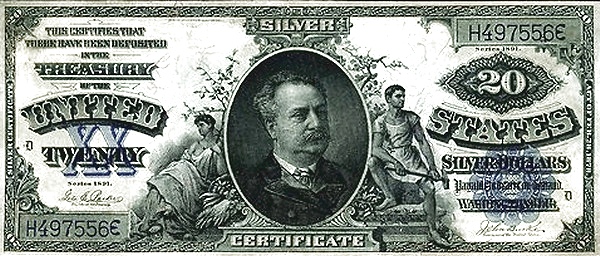
The Series 1891 $2 Silver Certificate: William Windom’s Portrait and One of the Shortest Production Runs in 19th-Century Currency

The Series 1891 $2 Silver Certificate is a fascinating and scarce large-size note featuring Treasury Secretary William Windom, produced during a narrow window before Windom’s death in January 1891 effectively closed the chapter on this design. Collectors prize this note for its rarity, its unique portrait subject, and the numismatic stories packed into its brief production history.

Read More →

Hawaii Overprint Notes Series 1935A: The Emergency Currency That Could Have Saved the Pacific

Issued in the anxious weeks following Pearl Harbor, Hawaii overprint notes represent one of the most dramatic emergency currency programs in American history. Understanding their origins, varieties, and condition pitfalls can make the difference between a shrewd purchase and an expensive mistake.

Read More →

The Series 1882 National Bank Note Brown Back: The Most Common Large-Size Charter Issue Explained

The Series 1882 Brown Back National Bank Notes represent the backbone of large-size National Currency collecting, issued by hundreds of banks across all denominations from 1882 to 1908. Understanding their varieties, charter numbers, signature combinations, and what separates a common example from a genuine rarity can transform how you approach this fascinating series.

Read More →

The Series 1890 $2 Treasury Note McPherson Back: A Forgotten Denomination Collectors Rarely Discuss

The Series 1890 $2 Treasury Note with its ornate ‘McPherson Back’ design stands as one of the most visually stunning yet persistently overlooked issues in large-size American currency. This guide explores its history, signature varieties, rarity grades, and what collectors at every level should know before pursuing one.

Read More →

Federal Reserve Notes Series 2003 $2: Why This Low-Print-Run Issue Is Already Attracting Serious Collector Attention

The Series 2003 $2 Federal Reserve Note is one of the most overlooked yet genuinely scarce modern issues in circulation-era United States currency, with several district printings so small they rival classic low-mintage notes from decades past. Understanding which districts printed and why the numbers matter can help collectors identify real sleepers before prices fully reflect their rarity.

Read More →

Federal Reserve Notes Series 1985 and 1988: Pre-Security Thread Issues and Their Overlooked Varieties

The Series 1985 and 1988 Federal Reserve Notes represent the final era of large-scale, thread-free currency production before the U.S. Treasury began embedding security features in 1990. Collectors who dig into the signature combinations, star notes, and district varieties of these transitional issues will find surprising scarcity hiding in plain sight.

Read More →

Demand Notes of 1861: America’s First Federal Paper Currency

The Demand Notes of 1861 represent a pivotal moment in American financial history, marking the federal government’s first foray into paper currency during the Civil War crisis. For collectors, these rare and storied notes offer a tangible connection to the birth of the modern American monetary system.

Read More →