
US Notes

Climate vs. Currency: How Desert Southwest and Humid Southeast Conditions Shape Long-Term Banknote Preservation

Where you live may be the single biggest variable in how well your currency collection survives the decades. This deep-dive compares preservation outcomes across America’s most extreme climate zones and gives collectors actionable strategies for every environment.

Read More →
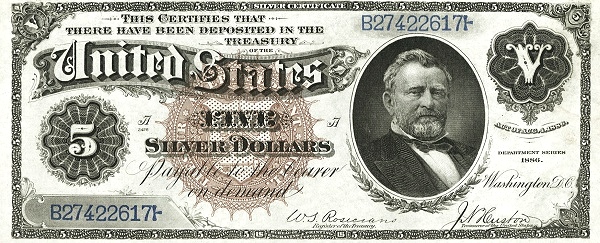
How Graders Evaluate Paper Strength in Large-Size Notes: Split, Soft, and Brittle Paper and the Grades They Earn

Paper strength is one of the most misunderstood yet critical factors in large-size note grading, capable of dropping an otherwise attractive note by two or three full grade points. This guide breaks down exactly how PCGS Currency and PMG evaluators assess split, soft, and brittle paper conditions, with specific examples from popular large-size series and the grade penalties each defect earns.

Read More →

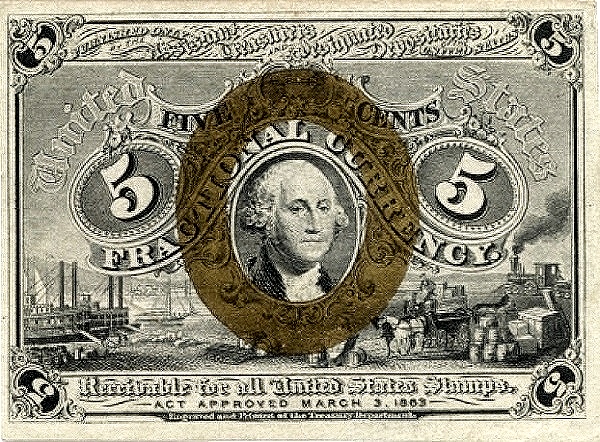
Grading Fractional Currency Fifth Issue Notes: How Perforations, Surcharges, and Experimental Varieties Affect Grade Assignment

The Fifth Issue of United States Fractional Currency (1874-1876) presents some of the most nuanced grading challenges in all of American paper money collecting, with perforations, surcharges, and rare experimental varieties each capable of dramatically shifting a note’s grade and value. This guide breaks down exactly what graders look for, which varieties command premiums, and how to evaluate your own Fifth Issue pieces with confidence.

Read More →

The PMG Holder Font Change of 2010: Why Resubmitting Older Holdered Notes Sometimes Changes the Grade and What Collectors Should Know

In 2010, Paper Money Guaranty quietly updated its holder design and internal grading standards, creating a generation of ‘old holder’ notes that sometimes grade differently on resubmission. Understanding this shift can mean the difference between a savvy upgrade and a costly mistake for currency collectors.

Read More →

What Makes a Note Multiply-Qualified as EPQ: Why Not Every Uncirculated Submission Earns the Paper Quality Designation

EPQ, or Exceptional Paper Quality, is one of the most misunderstood designations in currency grading, and its presence or absence on a certified holder can swing a note’s value by hundreds of dollars. This deep-dive explains exactly what PCGS Currency and PMG evaluate when awarding the EPQ qualifier, why pristine uncirculated notes still fail to earn it, and how collectors can identify EPQ-worthy material before submitting.

Read More →

Manuscript Notations on Currency: When Period Ink Writing Adds Historical Context and When It Tanks the Grade

A period ink inscription on a banknote can be a fascinating window into history or a grade-crushing defect, and knowing the difference is one of the most nuanced skills in currency grading. This guide walks collectors through how PCGS Currency, PMG, and independent graders evaluate manuscript notations, with specific examples from Civil War-era demand notes to Depression-era small-size issues.

Read More →

Paper Fiber Composition and Currency Grading: What Cotton, Linen, and Those Red and Blue Threads Really Mean for Your Notes

The paper beneath the ink is the foundation of every grading decision you will ever make about a piece of United States currency. Understanding how cotton and linen fibers behave over decades, and what the embedded red and blue threads actually tell you about authenticity and condition, can sharpen your eye and protect your wallet.

Read More →

Net Grading Explained: How Pinholes, Rust, and Stains Create Split Grades on US Currency

Net grading is one of the most misunderstood concepts in paper money collecting, yet it directly affects the value of thousands of notes in today’s market. This guide breaks down exactly how PCGS Currency, PMG, and independent dealers apply net grades, and what that means when you are buying, selling, or submitting notes for certification.

Read More →

Conservation vs. Restoration in Paper Money: What Grading Services Accept, What They Reject, and How to Tell the Difference

Understanding the line between acceptable conservation and problematic restoration can mean the difference between a slabbed, graded note and a details-qualified piece worth a fraction of the price. This guide breaks down exactly where PCGS Currency and PMG draw the line, and how collectors can protect their holdings.

Read More →

How to Build a Graded Type Set on a $5,000 Budget: Prioritizing Grades and Denominations for Maximum Coverage

A $5,000 budget can take you surprisingly far in building a meaningful, graded US currency type set, if you know which series to prioritize and where to compromise on grade. This guide breaks down exactly how to allocate your budget across denominations and note types for the broadest, most impressive collection possible.

Read More →