
US Notes

Paper Quality in Currency Grading: Crispness, Body, and What ‘Original Paper’ Really Means

Paper quality is the single most debated and least understood element of currency grading, capable of lifting a note two full grade points or sinking an otherwise attractive piece to problem status. This guide breaks down crispness, body, and the elusive concept of original paper so collectors at every level can grade with confidence.

Read More →
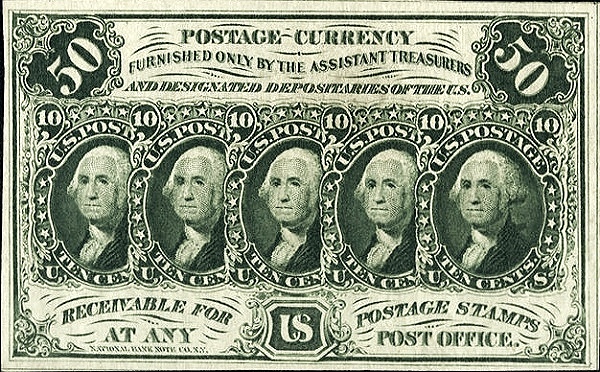
The 58 EPQ Grade: Why About Uncirculated Currency with Exceptional Paper Quality Rivals Lower-Graded Gem Examples in Collector Preference

A PCGS or PMG grade of 58 EPQ sits at a fascinating crossroads in currency collecting, where a note with barely detectable handling can outperform a technically higher-graded example lacking the EPQ designation. Understanding why collectors increasingly prize the AU-58 EPQ grade over 63 or even 64 non-EPQ notes can reshape your entire buying strategy.

Read More →

How to Grade Your Own Notes Before Submitting: A Pre-Screening Checklist for Collectors

Submitting a note to PCGS Currency or PMG without doing your homework first can cost you real money in grading fees on notes that won’t return the investment. This comprehensive pre-screening checklist walks you through the exact criteria professional graders use, so you can make smarter submission decisions and spot upgrade candidates hiding in your collection.

Read More →

Submission Strategies for National Bank Notes: Why Third-Party Grading Adds More Value to Rare Charter Issues Than to Common Notes

Not every National Bank Note benefits equally from professional third-party grading, and submitting the wrong notes can cost collectors more in fees than they gain in resale value. This guide breaks down exactly which charter issues, denominations, and condition thresholds justify the cost of PCGS Currency or PMG encapsulation, and which ones are better left raw.

Read More →

Grading Fractional Currency: Why Centering, Margins, and Embossing Determine Everything in These Tiny Notes

Fractional currency grading is one of the most nuanced disciplines in American paper money collecting, where a millimeter of margin or the depth of a security impression can swing a note’s value by hundreds of dollars. This guide breaks down exactly what PCGS, PMG, and experienced collectors look for when evaluating these Civil War-era miniatures.

Read More →

Currency Grading Fundamentals: The Difference Between VF-30 and EF-40 in Plain Language

Understanding the precise line between Very Fine-30 and Extremely Fine-40 can mean hundreds of dollars difference on a single note. This guide breaks down exactly what graders are looking for, with real-world examples from classic US currency series.

Read More →

PCGS Currency vs. PMG: Which Grading Service Is Right for Your Paper Money Collection?

When it comes to certifying and grading US paper money, two names dominate the hobby: PCGS Currency and Paper Money Guaranty (PMG). This in-depth comparison breaks down their grading scales, holder quality, market acceptance, and submission strategies to help you make the smartest decision for your notes.

Read More →

PMG Choice Fine 15 vs. Very Fine 20: A Side-by-Side Grading Analysis for Large-Size Notes

Understanding the precise difference between PMG Choice Fine 15 and Very Fine 20 can mean hundreds of dollars on a single large-size note purchase. This deep-dive grading analysis breaks down the specific wear patterns, fold characteristics, and surface qualities that separate these two critical grades, with real-world examples from popular large-size series.

Read More →

Silent Destroyers: How Humidity, Mold, and Foxing Devastate Paper Currency Collections

Environmental damage is the leading cause of value loss in paper currency collections, yet most collectors underestimate the threat until it is too late. This guide explains exactly how humidity, foxing, and biological growth attack your notes, with practical steps to stop the damage before it starts.

Read More →

PMG Very Fine 30 vs. Extremely Fine 40 for Large-Size Notes: A Practical Field Comparison

The single grade point separating PMG Very Fine 30 and Extremely Fine 40 can mean hundreds of dollars on a desirable large-size note, yet many collectors struggle to articulate the difference in hand. This guide walks through every diagnostic criterion, with real examples from Series 1899 Silver Certificates to 1922 Gold Certificates, so you can grade confidently before you bid.

Read More →