
US Notes

The About Uncirculated 55 Grade: How One Corner Fold Separates This Grade from Uncirculated and What It Costs Collectors

The AU55 grade sits at one of the most consequential crossroads in paper money collecting, where a single light fold can slash a note’s value by 30 to 60 percent compared to its Uncirculated counterpart. Understanding exactly what defines this grade, how graders detect that telltale fold, and how the AU55 premium plays out across specific series and denominations can save collectors hundreds or even thousands of dollars.

Read More →
Registry Sets for Small-Size Federal Reserve Notes: How Collectors Use PMG and PCGS Census Rankings to Build Competitive Collections

Registry set collecting has transformed how serious numismatists approach small-size Federal Reserve Notes, turning the pursuit of high-grade currency into a structured, competitive discipline. This guide breaks down how PMG and PCGS population reports work, which series offer the most compelling registry competition, and how collectors at every level can use census data to build smarter, more valuable collections.

Read More →

Submission Timing Strategies for Currency Collectors: How Registry Season, Auction Schedules, and Population Changes Should Drive Your Grading Decisions

Knowing when to submit your notes for grading can be just as important as knowing what to submit. This guide breaks down how auction calendars, registry competition windows, and population report shifts affect the real-world value of your certified currency.

Read More →

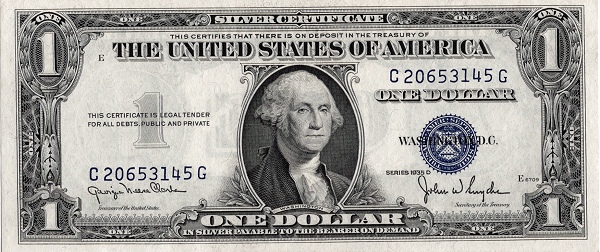
Fading vs. Toning on Silver Certificates: How Blue Seal Color Loss Affects Your Note’s Grade

The blue Treasury seal on Silver Certificates is one of the most grading-sensitive elements in all of U.S. paper money collecting, and distinguishing problematic fading from acceptable natural toning can mean hundreds of dollars in value. This guide breaks down exactly how professional graders evaluate seal color, what causes each type of color change, and how collectors can protect and identify their Silver Certificates with confidence.

Read More →

The PMG Population Report: Using Census Data to Find Conditionally Rare Notes

The PMG Population Report is one of the most powerful and underused tools in a currency collector’s arsenal, revealing which notes are genuinely scarce in top grades versus merely old. This guide shows you exactly how to read pop report data, identify conditionally rare opportunities, and build a smarter collection using real census numbers.

Read More →

How Folds Affect Currency Grade: Single Folds, Corner Folds, and Counting Folds Explained

A single misplaced fold can drop a note two full grade points and slash its collector value by half. This guide breaks down exactly how grading services evaluate every type of fold, from light corner bends to deep circulation creases, so you can accurately assess notes before you buy or sell.

Read More →

Grading Small-Size Notes vs. Large-Size Notes: Why the Standards Differ Between Eras

Grading a 1922 $10 Gold Certificate by the same standards as a 1963 Federal Reserve Note is a recipe for frustration and costly mistakes. This deep-dive explains exactly why large-size and small-size currency demand different grading approaches, and how understanding those differences can sharpen your eye and protect your wallet.

Read More →

Pressed Notes: How to Detect Artificial Pressing and Why It Destroys Collector Value

Artificial pressing is one of the most deceptive forms of currency manipulation in the hobby, capable of turning a circulated note into a convincing but fraudulent uncirculated specimen. Learn how to spot the telltale signs of pressing, which notes are most commonly targeted, and how this hidden damage can slash thousands of dollars from a collection’s true worth.

Read More →

Grading Treasury Notes of 1890: Why the Ornate Jewel Back Makes Condition Assessment More Complex Than for Standard Legal Tender Notes

The Treasury Notes of 1890 present a unique grading challenge thanks to their elaborately engraved reverses, where fine detail loss is nearly invisible until a note drops several grade points. Understanding how the Jewel Back affects condition assessment can mean the difference between paying wholesale and retail prices for the same piece.

Read More →

The Very Fine 25 Grade: Why This Midpoint Circulated Grade Is the Sweet Spot for Budget Collectors of Scarce Types

The VF-25 grade sits at a fascinating crossroads between worn, heavily circulated notes and the premium-priced EF territory, offering collectors genuine eye appeal at a fraction of the cost. Understanding exactly what separates a VF-25 from its neighbors on the grading scale can unlock serious value when hunting scarce Legal Tender, Silver Certificate, and National Currency types.

Read More →