US Notes

The Harvest Scene on the 1896 $1 Educational Silver Certificate Reverse: Agricultural Allegory and Its Classical Roman Sources
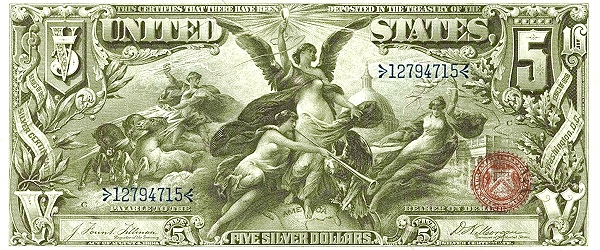
The reverse of the 1896 $1 Educational Silver Certificate features one of the most breathtaking allegorical compositions ever engraved on American paper money, a harvest scene rooted in classical Roman iconography that transformed a one-dollar bill into a work of fine art. Understanding its imagery, its artistic sources, and its place in currency collecting history will deepen your appreciation of what many consider the most beautiful note ever issued by the United States Treasury.

Read More →
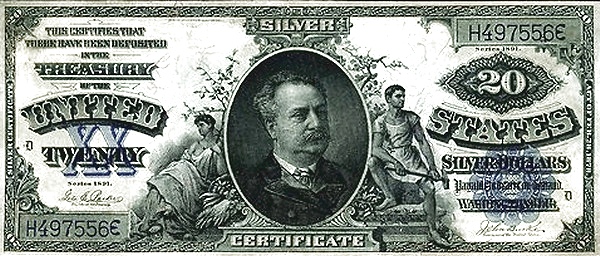
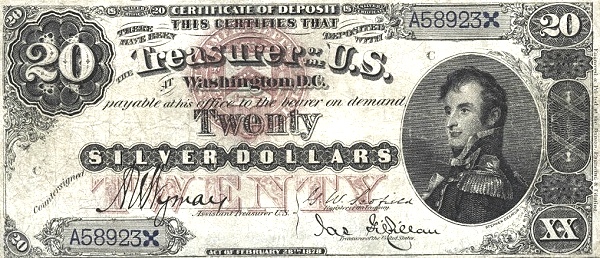
Toning on Ungraded Currency: When Natural Aging Adds Character vs. When It Deducts Grade Points

Not all toning is created equal, and knowing the difference between desirable originality and grade-killing damage can save you hundreds of dollars at auction. This guide breaks down exactly how grading services evaluate toning on US paper money, with specific examples from Large Size notes to modern Federal Reserve issues.

Read More →

Geometric Lathe Work on 19th Century US Currency: How Spirograph-Style Patterns Defeated Counterfeiters

The intricate rose engine and geometric lathe patterns woven into 19th century American banknotes were not merely decorative flourishes but sophisticated anti-counterfeiting technology that defined an era of currency design. Understanding these patterns helps collectors identify genuine notes, spot alterations, and appreciate why certain series command premium values today.

Read More →

The Series 1891 $2 Silver Certificate: William Windom’s Portrait and One of the Shortest Production Runs in 19th-Century Currency

The Series 1891 $2 Silver Certificate is a fascinating and scarce large-size note featuring Treasury Secretary William Windom, produced during a narrow window before Windom’s death in January 1891 effectively closed the chapter on this design. Collectors prize this note for its rarity, its unique portrait subject, and the numismatic stories packed into its brief production history.

Read More →

Insufficient Margin Errors on Large-Size Notes: How Sheet Registration Failures Created Cutting Oddities Before 1929

Before the Bureau of Engraving and Printing standardized its cutting procedures in the small-size era, large-size notes were vulnerable to dramatic sheet registration failures that produced some of the most visually striking error currency in American numismatic history. Understanding how these cutting oddities occurred, which series are most affected, and what separates a genuine error from post-issuance trimming is essential knowledge for any serious collector of pre-1929 paper money.

Read More →

Trumbull’s Masterpiece in Steel: The Declaration of Independence Vignette on Large-Size US Notes

John Trumbull’s iconic 1818 painting of the Declaration of Independence signing was translated into one of the most detailed and historically significant vignettes ever engraved for American paper money. Understanding how this image appeared across large-size notes, which engravers executed the work, and which specific varieties carry the vignette gives collectors a richer appreciation for the artistry hiding in plain sight on their notes.

Read More →

The Portrait of James Monroe on the 1923 $500 Gold Certificate: Why a Former President Appeared on Only One Note

The Series 1922 $500 Gold Certificate stands as one of the most fascinating and elusive notes in all of American paper money, featuring the only appearance of President James Monroe on U.S. currency. Understanding its history, design origins, and survival rate transforms this note from a mere rarity into a window on a pivotal era of monetary policy.

Read More →

Justice and Liberty on the 1869 Rainbow Notes: Allegorical Women in Reconstruction-Era Currency Art

The 1869 Legal Tender ‘Rainbow Notes’ feature some of the most striking allegorical figures ever engraved on American paper money, including personifications of Justice, Liberty, and Commerce that reflect the ideals and anxieties of the Reconstruction era. Understanding these designs unlocks a richer appreciation for the notes as historical documents, not just collectibles.

Read More →

Demand Notes of 1861: America’s First Federal Paper Currency

The Demand Notes of 1861 represent a pivotal moment in American financial history, marking the federal government’s first foray into paper currency during the Civil War crisis. For collectors, these rare and storied notes offer a tangible connection to the birth of the modern American monetary system.

Read More →

Grading Small-Size Notes vs. Large-Size Notes: Why the Standards Differ Between Eras

Grading a 1922 $10 Gold Certificate by the same standards as a 1963 Federal Reserve Note is a recipe for frustration and costly mistakes. This deep-dive explains exactly why large-size and small-size currency demand different grading approaches, and how understanding those differences can sharpen your eye and protect your wallet.

Read More →