US Notes

Serial Number Ink Smear Errors on Small-Size Notes: When Wet Overprint Ink Drags and Creates Streaked Digit Strings

Serial number ink smear errors rank among the most visually dramatic overprint mistakes in small-size U.S. currency, yet many collectors struggle to distinguish a genuine drag smear from a post-printing accident. This guide breaks down the mechanics, authentication markers, major known examples, and current collector values for this fascinating error category.

Read More →
Gold Certificates, Serial Numbers, and a Kidnapper’s Ransom: How Marked Currency Caught Bruno Hauptmann

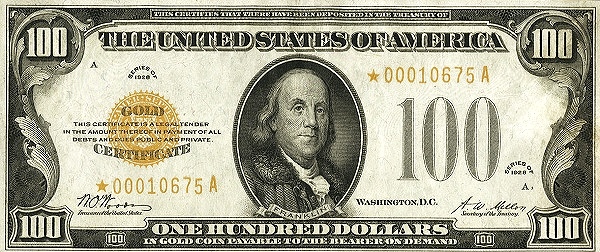
The 1932 Lindbergh kidnapping ransom payment, made in Gold Certificates and Federal Reserve Notes, became one of the most consequential currency investigations in American history. For collectors, the notes involved offer a rare intersection of numismatic history and criminal legend that continues to shape the value and fascination of 1928 and 1934 Gold Certificate series.

Read More →

Missing District Letter Errors on Series 1988 Federal Reserve Notes: Notes That Escaped the BEP Without a Federal Reserve Bank Prefix

Among the rarest and most dramatic printing errors in modern Federal Reserve Note production, missing district letter errors on Series 1988 notes represent a genuine failure of quality control at the Bureau of Engraving and Printing. This guide explores what caused these errors, how to identify authentic examples, and what collectors should know before spending serious money on one.

Read More →

Faces of Money: How the BEP Chose Which Portraits Appeared on Which Denominations

The portraits on US currency were not chosen by artists or historians alone. Behind every face on every bill lies a fascinating intersection of political maneuvering, aesthetic debate, Congressional pressure, and Treasury Department policy stretching back more than 150 years. Understanding this history gives collectors a richer appreciation for the notes they hold and sharper insight into why certain portrait changes make specific series so collectible.

Read More →

Missing Face or Back Printing Errors: Blank Sided Notes and Their Extreme Rarity

Among the rarest and most dramatic error notes ever produced by the Bureau of Engraving and Printing, blank-sided currency represents a catastrophic failure in the multi-stage printing process. This guide breaks down exactly how these errors happen, which series and denominations command the highest prices, and what collectors need to know before buying or selling one.

Read More →

Federal Reserve Notes Series 1993: The Last Series Before the 1996 Security Redesign

The Series 1993 Federal Reserve Notes represent the final chapter of a classic American currency design era, printed just before the sweeping 1996 security overhaul changed US paper money forever. Understanding what makes these notes historically significant, which varieties are scarce, and how to evaluate condition is essential knowledge for any serious collector.

Read More →

Double Denomination Errors on Small-Size Notes: When a $10 Face Meets a $20 Back at the Cutting Table

Double denomination errors rank among the most visually dramatic and collectible mistakes in all of paper money, produced when mismatched printed sheets are stacked and cut together at the Bureau of Engraving and Printing. This guide breaks down exactly how these errors happen, which known examples exist, and what you should expect to pay or verify before buying one.

Read More →

Transitional Series Mule Notes Between 1950 and 1950A: Identifying the Mixed Plate Printings

When the Bureau of Engraving and Printing shifted from Series 1950 to Series 1950A Federal Reserve Notes, a brief window of mixed plate usage created a fascinating category of mule notes that puzzle collectors to this day. Learn how to identify these transitional printings, which signature and plate combinations to watch for, and why certain district mules command significant premiums over their standard counterparts.

Read More →

The Teapot Dome Scandal and Federal Reserve Notes: How 1920s Corruption Shook Public Trust in Paper Currency

The Teapot Dome Scandal of the early 1920s did more than topple a cabinet secretary — it cast a long shadow over public faith in government institutions, including the Federal Reserve System and its paper currency. Understanding this political crisis helps collectors appreciate why certain Series 1923 and 1928 Federal Reserve Notes carry such historical weight beyond their catalog values.

Read More →

Ink Void Errors on Modern Federal Reserve Notes: Causes, Appearance, and Auction Results

Ink void errors rank among the most visually dramatic mistakes to survive the Bureau of Engraving and Printing’s quality control process, leaving collectors with notes that are simultaneously incomplete and remarkable. This guide breaks down exactly how these errors form, how to distinguish genuine voids from post-printing damage, and what recent auction results tell us about their true market value.

Read More →