US Notes

Ink, Steel, and Stone: How the BEP’s Move to Independence Avenue Shaped American Currency History

The Bureau of Engraving and Printing’s relocation from the Treasury Building to its iconic Independence Avenue facility in 1914 was more than a change of address. For collectors, this transition period produced some of the most fascinating and historically significant notes ever printed, with distinct characteristics that remain hotly pursued a century later.

Read More →
The Whiskey Ring Scandal of 1875 and Its Unexpected Connection to Treasury Department Currency Oversight Reform

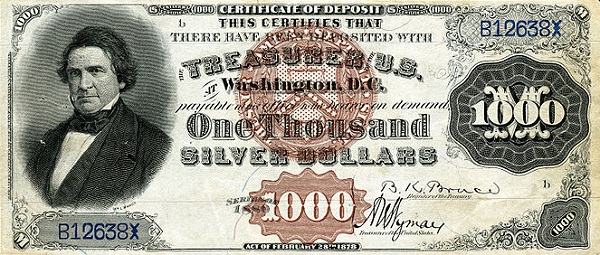
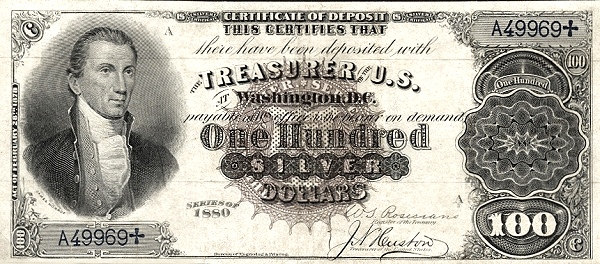
The Whiskey Ring conspiracy of 1875 shook the Grant administration to its core, but few collectors realize the scandal directly accelerated sweeping reforms in how the Treasury Department designed, printed, and secured United States currency. Understanding this forgotten chapter of fiscal history adds remarkable depth to the legal tender notes and National Bank notes produced in the turbulent 1870s.

Read More →

How America Abandoned the Gold Standard in Two Steps: 1933 Domestic and 1971 International

The United States did not leave the gold standard overnight. Understanding the two pivotal breaks, FDR’s 1933 domestic suspension and Nixon’s 1971 international closure of the gold window, reveals why certain paper currency series are historically significant collectibles today.

Read More →

Gold Certificates, Serial Numbers, and a Kidnapper’s Ransom: How Marked Currency Caught Bruno Hauptmann

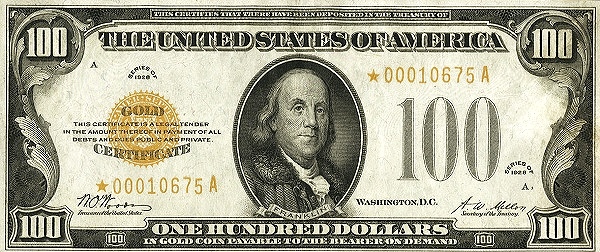
The 1932 Lindbergh kidnapping ransom payment, made in Gold Certificates and Federal Reserve Notes, became one of the most consequential currency investigations in American history. For collectors, the notes involved offer a rare intersection of numismatic history and criminal legend that continues to shape the value and fascination of 1928 and 1934 Gold Certificate series.

Read More →

Continental Currency and Why It Failed: Lessons from America’s First Paper Money

Continental Currency was the young United States’ bold experiment in paper money, and its catastrophic collapse shaped American monetary policy for generations. Understanding why it failed, what the notes looked like, and how to identify and collect genuine specimens makes this one of the most historically rich areas in all of American numismatics.

Read More →

National Bank Notes of Puerto Rico: Charter Issues from the Island’s American-Era Banking System

Puerto Rico’s brief but fascinating chapter in the National Bank Note era produced some of the most geographically distinctive and scarce large-size issues in American currency history. This deep dive covers every chartered institution, their surviving notes, catalog values, and what collectors need to know before pursuing these island treasures.

Read More →

The Teapot Dome Scandal and Federal Reserve Notes: How 1920s Corruption Shook Public Trust in Paper Currency

The Teapot Dome Scandal of the early 1920s did more than topple a cabinet secretary — it cast a long shadow over public faith in government institutions, including the Federal Reserve System and its paper currency. Understanding this political crisis helps collectors appreciate why certain Series 1923 and 1928 Federal Reserve Notes carry such historical weight beyond their catalog values.

Read More →

The Assassination of President Garfield and Its Unexpected Effect on Currency Portrait Selection in the 1880s

When Charles Guiteau shot President James A. Garfield on July 2, 1881, the political shockwaves reached all the way to the Bureau of Engraving and Printing, reshaping which faces appeared on American paper money for decades. This deep dive explores how mourning, politics, and Treasury Department policy collided to redirect US currency portrait selection in ways that still affect the notes collectors hunt today.

Read More →

Lincoln on the $5 Note: How the Treasury Navigated the Politics and Grief of Putting a Martyred President on American Currency

The story of Abraham Lincoln’s journey onto the $5 Federal Reserve Note is far more complicated than most collectors realize, stretching across decades of political caution, public sentiment, and Treasury debate. Understanding this history adds profound context to every Lincoln $5 note in your collection.

Read More →

Silverites vs. Gold Bugs: How the 1890s Currency Debates Transformed Silver Certificate Production

The fierce monetary battles of the 1890s, culminating in William Jennings Bryan’s legendary ‘Cross of Gold’ speech, directly shaped the design, volume, and ultimate fate of Silver Certificate production in America. Understanding this political firestorm helps collectors decode the rarest and most historically charged notes of the era.

Read More →