
US Notes

PCGS Currency vs. PMG: Which Grading Service Is Right for Your Paper Money Collection?

When it comes to certifying and grading US paper money, two names dominate the hobby: PCGS Currency and Paper Money Guaranty (PMG). This in-depth comparison breaks down their grading scales, holder quality, market acceptance, and submission strategies to help you make the smartest decision for your notes.

Read More →
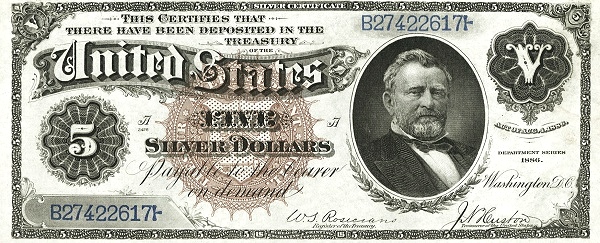
How Graders Evaluate Paper Strength in Large-Size Notes: Split, Soft, and Brittle Paper and the Grades They Earn

Paper strength is one of the most misunderstood yet critical factors in large-size note grading, capable of dropping an otherwise attractive note by two or three full grade points. This guide breaks down exactly how PCGS Currency and PMG evaluators assess split, soft, and brittle paper conditions, with specific examples from popular large-size series and the grade penalties each defect earns.

Read More →

What Makes a Note Multiply-Qualified as EPQ: Why Not Every Uncirculated Submission Earns the Paper Quality Designation

EPQ, or Exceptional Paper Quality, is one of the most misunderstood designations in currency grading, and its presence or absence on a certified holder can swing a note’s value by hundreds of dollars. This deep-dive explains exactly what PCGS Currency and PMG evaluate when awarding the EPQ qualifier, why pristine uncirculated notes still fail to earn it, and how collectors can identify EPQ-worthy material before submitting.

Read More →

Manuscript Notations on Currency: When Period Ink Writing Adds Historical Context and When It Tanks the Grade

A period ink inscription on a banknote can be a fascinating window into history or a grade-crushing defect, and knowing the difference is one of the most nuanced skills in currency grading. This guide walks collectors through how PCGS Currency, PMG, and independent graders evaluate manuscript notations, with specific examples from Civil War-era demand notes to Depression-era small-size issues.

Read More →

Net Grading Explained: How Pinholes, Rust, and Stains Create Split Grades on US Currency

Net grading is one of the most misunderstood concepts in paper money collecting, yet it directly affects the value of thousands of notes in today’s market. This guide breaks down exactly how PCGS Currency, PMG, and independent dealers apply net grades, and what that means when you are buying, selling, or submitting notes for certification.

Read More →

Conservation vs. Restoration in Paper Money: What Grading Services Accept, What They Reject, and How to Tell the Difference

Understanding the line between acceptable conservation and problematic restoration can mean the difference between a slabbed, graded note and a details-qualified piece worth a fraction of the price. This guide breaks down exactly where PCGS Currency and PMG draw the line, and how collectors can protect their holdings.

Read More →

How to Build a Graded Type Set on a $5,000 Budget: Prioritizing Grades and Denominations for Maximum Coverage

A $5,000 budget can take you surprisingly far in building a meaningful, graded US currency type set, if you know which series to prioritize and where to compromise on grade. This guide breaks down exactly how to allocate your budget across denominations and note types for the broadest, most impressive collection possible.

Read More →

Face vs. Back: How Professional Graders Reconcile Asymmetric Wear Into a Single Grade

Most collectors focus on the face of a note, but professional graders scrutinize both sides independently before arriving at a final grade. Understanding how wear patterns differ between the face and back, and how those differences get reconciled, can sharpen your eye and save you real money at auction.

Read More →

Corner Wear on Large-Size Notes: Why Soft Rounded Corners Grade Better Than Hard Creased Folds

Not all corner wear is created equal, and on large-size notes the difference between a soft rounded tip and a hard diagonal crease can mean hundreds of dollars in collector value. This guide breaks down exactly how graders evaluate corner condition, what to look for under magnification, and how to apply that knowledge to your own collection.

Read More →

Counting House Pinholes: How Graders Detect Them and Why They Crush Your Note’s Value

Pinholes left by 19th and early 20th century counting house practices remain one of the most penalized defects in modern currency grading, yet many collectors struggle to spot them before submitting notes. This guide walks through detection techniques, grading penalties, and which series are most commonly affected so you can protect your collection.

Read More →