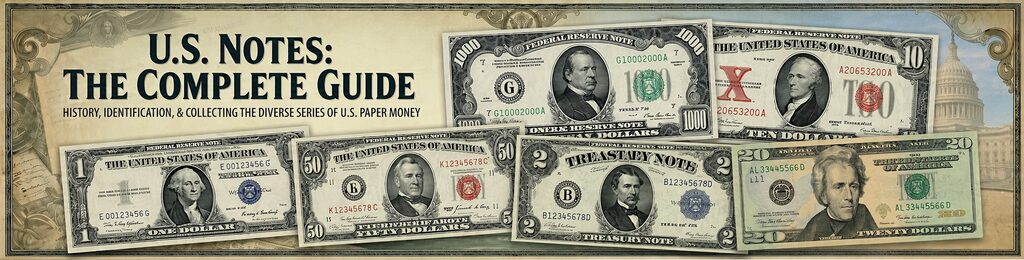
US Notes

The Series 1880 $1 United States Note: Large Seal vs. Small Seal Varieties and the Signature Combinations That Separate Them

The Series 1880 $1 United States Note presents collectors with one of the most fascinating variety puzzles in large-size currency, where seal size and signature combinations create a hierarchy of rarity that spans from readily available to genuinely elusive. Understanding exactly which seal type pairs with which signatures, and what those distinctions mean for grading and value, can make the difference between a savvy buy and a costly mistake at auction.

Read More →
Signature Varieties on Series 1928 Federal Reserve Notes: Tate-Mellon Through Woods-Mills

The Series 1928 Federal Reserve Notes span four distinct signature combinations, each telling a story of Treasury leadership during one of America’s most turbulent economic decades. Understanding these varieties, their print runs, and their relative scarcity can mean the difference between paying fair market value and uncovering a genuine sleeper note in a dealer’s stock.

Read More →

Federal Reserve Note District Mismatch Errors: When the Wrong Seal Meets the Wrong Serial Number Prefix

District mismatch errors on Federal Reserve Notes occur when a note is printed with a Federal Reserve district seal that does not correspond to its serial number prefix letter, creating one of the most visually dramatic and numismatically significant error types in modern US currency. This guide covers how these errors happen, how to authenticate them, and what collectors should know before buying or selling.

Read More →

Series 1934D $20 Federal Reserve Note: The Last Pre-Security-Redesign Twenty and Its Dramatic District Population Differences

The Series 1934D $20 Federal Reserve Note holds a unique position in American currency history as the final twenty-dollar bill printed before the landmark 1950 redesign introduced updated security and aesthetic features. Understanding the striking population differences across Federal Reserve districts, signature combinations, and condition scarcities makes this an essential study for any serious collector of mid-century American paper money.

Read More →

Submission Timing Strategies for Currency Collectors: How Registry Season, Auction Schedules, and Population Changes Should Drive Your Grading Decisions

Knowing when to submit your notes for grading can be just as important as knowing what to submit. This guide breaks down how auction calendars, registry competition windows, and population report shifts affect the real-world value of your certified currency.

Read More →

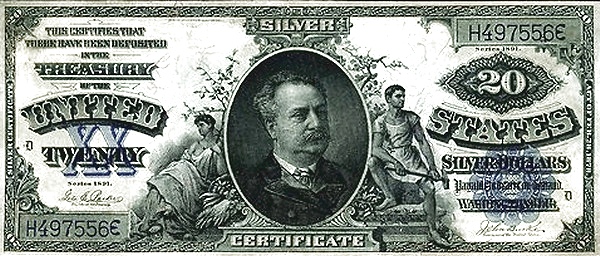
The Series 1891 $2 Silver Certificate: William Windom’s Portrait and One of the Shortest Production Runs in 19th-Century Currency

The Series 1891 $2 Silver Certificate is a fascinating and scarce large-size note featuring Treasury Secretary William Windom, produced during a narrow window before Windom’s death in January 1891 effectively closed the chapter on this design. Collectors prize this note for its rarity, its unique portrait subject, and the numismatic stories packed into its brief production history.

Read More →

The Series 1882 National Bank Note Brown Back: The Most Common Large-Size Charter Issue Explained

The Series 1882 Brown Back National Bank Notes represent the backbone of large-size National Currency collecting, issued by hundreds of banks across all denominations from 1882 to 1908. Understanding their varieties, charter numbers, signature combinations, and what separates a common example from a genuine rarity can transform how you approach this fascinating series.

Read More →

Portraits Removed from US Currency: Chase, Stanton, and the Figures No Longer on American Notes

From Salmon P. Chase’s brief appearance on high-denomination Federal Reserve Notes to Edwin Stanton’s forgotten presence on Fractional Currency, several prominent Americans once graced US paper money before being quietly replaced. Understanding who appeared, when, and why they were removed gives collectors a fascinating lens into the political and institutional history behind every piece of American paper money.

Read More →

The Changeover Pair: Collecting Sequential Notes Spanning Two Signature Series

A changeover pair is one of the most fascinating and underappreciated finds in paper money collecting, capturing the exact moment the Bureau of Engraving and Printing transitioned from one Treasurer-Secretary signature combination to another. This guide explains what makes these consecutive-serial-number pairs so compelling, how to identify them, and which combinations command serious premiums in today’s market.

Read More →

The Landing of Columbus Vignette on National Bank Notes: Art, History, and Placement

Few images in American currency history carry the symbolic weight of the Landing of Columbus vignette, a dramatic scene that appeared on some of the most collectible National Bank Notes ever issued. This guide explores the artistic origins, engraving history, and specific note types where collectors can find this iconic image today.

Read More →