
US Notes

Counting Machine Damage on Paper Money: How ATM and Bank Processing Hurts Grades

Counting machines, ATMs, and high-speed bank processing equipment inflict specific, recognizable damage patterns that can drop a note’s grade by two or more full points. Understanding these mechanical injuries helps collectors avoid costly mistakes and spot problem notes before they end up in their collections.

Read More →
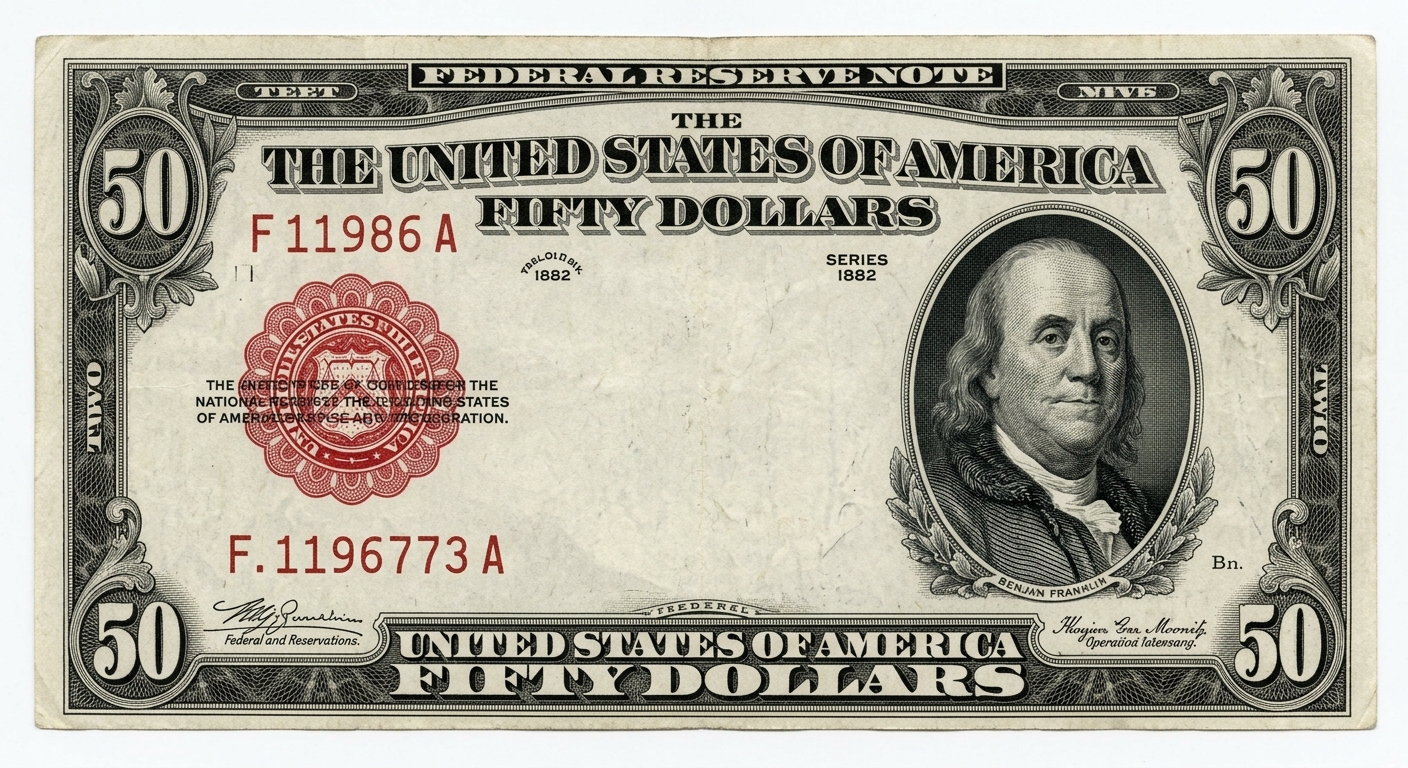
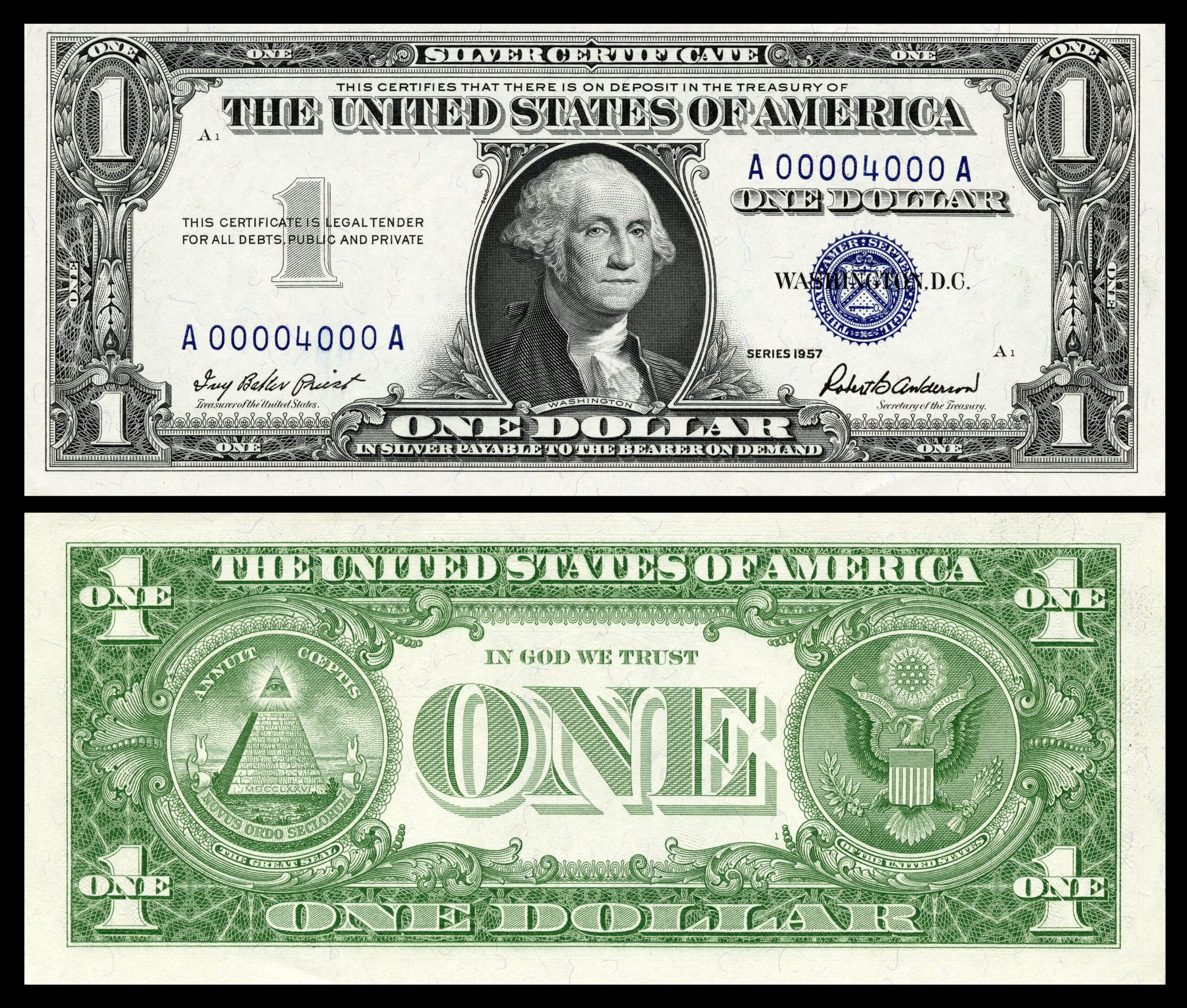
Original Embossing on Intaglio-Printed Notes: What It Looks Like, How to Feel It, and Why Graders Reward It

The raised, tactile texture of intaglio printing is one of the most telling signs of a genuinely uncirculated banknote, yet many collectors overlook it entirely. Learn how to identify, preserve, and leverage original embossing when buying, grading, and upgrading your collection.

Read More →

The Grade Threshold for Submission: When Does a $10 Note Become Worth the Grading Fee?

Submitting a $10 Federal Reserve Note or Legal Tender note for professional grading costs real money, and not every bill clears the bar where slabbing makes financial sense. This guide breaks down the exact grade thresholds, series values, and collector strategies that determine whether your ten-dollar note deserves a holder or a bargain bin.

Read More →

Rubber Band Damage on Paper Money: How Graders Assess Compression Lines, Surface Breaks, and the Limits of Conservation

Rubber band damage is one of the most misunderstood forms of paper money deterioration, and many collectors discover its impact only when a note comes back from a grading service at a lower grade than expected. This guide breaks down exactly how professional graders at PCGS Currency and PMG evaluate compression lines and surface breaks caused by rubber bands, and what conservation options realistically exist.

Read More →

Paper Restoration and Conservation: Legitimate Archival Treatments vs. Fraud in Currency Collecting

Understanding the difference between legitimate archival conservation and fraudulent restoration is one of the most critical skills a currency collector can develop. This guide breaks down accepted treatments, deceptive practices, and how to protect your collection from altered notes masquerading as originals.

Read More →

The 63 vs. 64 Boundary: What Separates Choice Uncirculated from Near Choice and Why One Point Can Mean Hundreds of Dollars

A single point on the Sheldon grading scale can transform a $400 note into a $900 note overnight, yet the criteria separating MS-63 from MS-64 remain among the most debated in paper money collecting. This deep dive breaks down exactly what graders look for at the critical 63/64 boundary and how collectors can train their eyes to see the difference.

Read More →

How to Use a Loupe and UV Light to Pre-Screen Currency Before Submission to PMG or PCGS

Submitting notes to PMG or PCGS Currency without pre-screening them first is one of the costliest mistakes a collector can make. This practical guide walks you through professional loupe and UV light techniques that can save you money, sharpen your grading eye, and dramatically improve your submission success rate.

Read More →

Toning on Ungraded Currency: When Natural Aging Adds Character vs. When It Deducts Grade Points

Not all toning is created equal, and knowing the difference between desirable originality and grade-killing damage can save you hundreds of dollars at auction. This guide breaks down exactly how grading services evaluate toning on US paper money, with specific examples from Large Size notes to modern Federal Reserve issues.

Read More →

Grading Error Notes: How Printing Mistakes Interact with Condition Standards at PMG and PCGS

Error notes occupy a fascinating and sometimes confusing corner of currency collecting, where the rules of standard grading meet an entirely different set of valuation criteria. This guide breaks down exactly how PMG and PCGS Currency evaluate printing mistakes, what qualifies as a gradeable error versus a damaged note, and which specific error types command the highest premiums in today’s market.

Read More →

EPQ vs. PPQ Explained: Why Those Three Letters Can Double the Value of Your Currency Note

The EPQ and PPQ qualifiers assigned by PCGS Currency and PMG can dramatically affect what a note is worth and whether it belongs in a top-tier collection. Understanding exactly what these designations mean, how graders apply them, and when they truly matter is essential knowledge for any serious currency collector.

Read More →