
US Notes

How to Use a Loupe and UV Light to Pre-Screen Currency Before Submission to PMG or PCGS

Submitting notes to PMG or PCGS Currency without pre-screening them first is one of the costliest mistakes a collector can make. This practical guide walks you through professional loupe and UV light techniques that can save you money, sharpen your grading eye, and dramatically improve your submission success rate.

Read More →
Toning on Ungraded Currency: When Natural Aging Adds Character vs. When It Deducts Grade Points

Not all toning is created equal, and knowing the difference between desirable originality and grade-killing damage can save you hundreds of dollars at auction. This guide breaks down exactly how grading services evaluate toning on US paper money, with specific examples from Large Size notes to modern Federal Reserve issues.

Read More →

EPQ vs. PPQ Explained: Why Those Three Letters Can Double the Value of Your Currency Note

The EPQ and PPQ qualifiers assigned by PCGS Currency and PMG can dramatically affect what a note is worth and whether it belongs in a top-tier collection. Understanding exactly what these designations mean, how graders apply them, and when they truly matter is essential knowledge for any serious currency collector.

Read More →

The About Uncirculated 55 Grade: How One Corner Fold Separates This Grade from Uncirculated and What It Costs Collectors

The AU55 grade sits at one of the most consequential crossroads in paper money collecting, where a single light fold can slash a note’s value by 30 to 60 percent compared to its Uncirculated counterpart. Understanding exactly what defines this grade, how graders detect that telltale fold, and how the AU55 premium plays out across specific series and denominations can save collectors hundreds or even thousands of dollars.

Read More →

Registry Sets for Small-Size Federal Reserve Notes: How Collectors Use PMG and PCGS Census Rankings to Build Competitive Collections

Registry set collecting has transformed how serious numismatists approach small-size Federal Reserve Notes, turning the pursuit of high-grade currency into a structured, competitive discipline. This guide breaks down how PMG and PCGS population reports work, which series offer the most compelling registry competition, and how collectors at every level can use census data to build smarter, more valuable collections.

Read More →

Submission Timing Strategies for Currency Collectors: How Registry Season, Auction Schedules, and Population Changes Should Drive Your Grading Decisions

Knowing when to submit your notes for grading can be just as important as knowing what to submit. This guide breaks down how auction calendars, registry competition windows, and population report shifts affect the real-world value of your certified currency.

Read More →

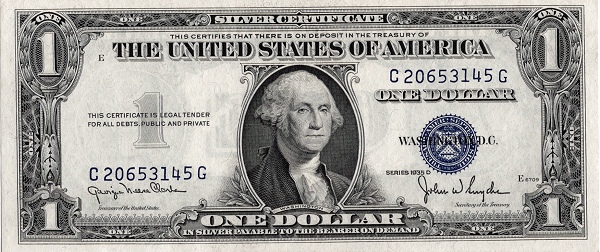
Fading vs. Toning on Silver Certificates: How Blue Seal Color Loss Affects Your Note’s Grade

The blue Treasury seal on Silver Certificates is one of the most grading-sensitive elements in all of U.S. paper money collecting, and distinguishing problematic fading from acceptable natural toning can mean hundreds of dollars in value. This guide breaks down exactly how professional graders evaluate seal color, what causes each type of color change, and how collectors can protect and identify their Silver Certificates with confidence.

Read More →

Grading Small-Size Notes vs. Large-Size Notes: Why the Standards Differ Between Eras

Grading a 1922 $10 Gold Certificate by the same standards as a 1963 Federal Reserve Note is a recipe for frustration and costly mistakes. This deep-dive explains exactly why large-size and small-size currency demand different grading approaches, and how understanding those differences can sharpen your eye and protect your wallet.

Read More →

Paper Quality in Currency Grading: Crispness, Body, and What ‘Original Paper’ Really Means

Paper quality is the single most debated and least understood element of currency grading, capable of lifting a note two full grade points or sinking an otherwise attractive piece to problem status. This guide breaks down crispness, body, and the elusive concept of original paper so collectors at every level can grade with confidence.

Read More →

The 58 EPQ Grade: Why About Uncirculated Currency with Exceptional Paper Quality Rivals Lower-Graded Gem Examples in Collector Preference

A PCGS or PMG grade of 58 EPQ sits at a fascinating crossroads in currency collecting, where a note with barely detectable handling can outperform a technically higher-graded example lacking the EPQ designation. Understanding why collectors increasingly prize the AU-58 EPQ grade over 63 or even 64 non-EPQ notes can reshape your entire buying strategy.

Read More →