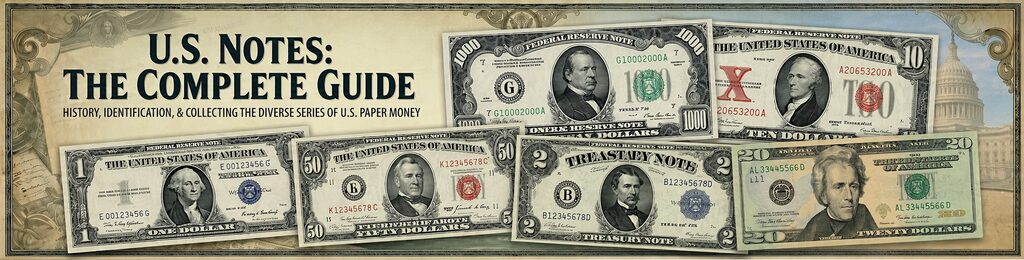
US Notes

The Series 1966A $100 United States Note Red Seal: The Rarest of the Last Legal Tender Issues

The Series 1966A $100 United States Note stands as one of the most elusive and historically significant pieces of 20th-century American paper money, with a print run so small it dwarfs even many 19th-century rarities. Understanding what makes this note scarce, how to authenticate it, and where it fits in the grand arc of Legal Tender history can transform how you approach high-denomination collecting.

Read More →
How Graders Evaluate Paper Strength in Large-Size Notes: Split, Soft, and Brittle Paper and the Grades They Earn

Paper strength is one of the most misunderstood yet critical factors in large-size note grading, capable of dropping an otherwise attractive note by two or three full grade points. This guide breaks down exactly how PCGS Currency and PMG evaluators assess split, soft, and brittle paper conditions, with specific examples from popular large-size series and the grade penalties each defect earns.

Read More →

The Sailing Ship Vignette on Early United States Notes: Which Vessels Were Depicted and How Artists Chose Them

The sailing ship vignettes engraved on early United States paper money represent some of the most artistically ambitious work ever produced by the Bureau of Engraving and Printing and its predecessor firms. Understanding which vessels appear on which notes, how engravers selected and adapted their subjects, and what makes certain vignette varieties collectible can transform the way you look at nineteenth-century American currency.

Read More →

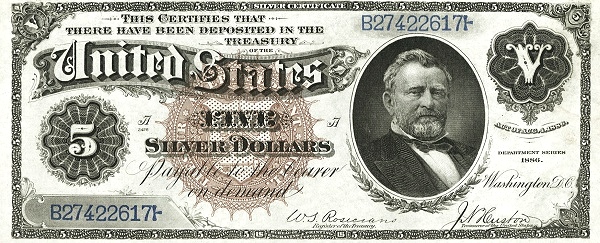
Women on US Paper Money: Martha Washington, Pocahontas, and the Long Road to Harriet Tubman

From Martha Washington’s brief but historic appearance on the 1886 Silver Certificate to the long-delayed promise of Harriet Tubman on the $20 bill, women have had a complicated and fascinating relationship with American paper money. This guide traces every significant female portrait on US currency, with catalog numbers, rarity data, and collecting strategies for each.

Read More →

Ships, Trains, and Industry: Transportation Vignettes on 19th Century US Currency

The steam engines, sailing vessels, and industrial scenes engraved onto 19th century US banknotes tell a fascinating story about American ambition and technological pride. This guide decodes the specific vignettes, their catalog identifications, and what they mean for collectors hunting these magnificent pieces today.

Read More →

The De Soto Discovering the Mississippi Vignette on 1860s Currency: History Behind the Image

One of the most striking vignettes on Civil War era United States currency depicts Hernando de Soto’s legendary 1541 arrival at the Mississippi River, an image that appeared on multiple denominations and note types during the 1860s. Understanding the history behind this engraving, which bank note companies used it, and where to find it today gives collectors a richer appreciation for the artistry and symbolism embedded in antebellum and wartime American paper money.

Read More →

The Series 1869 $1 Rainbow Note: America’s Most Colorful Large-Size Legal Tender

The Series 1869 $1 Legal Tender note earned its ‘Rainbow Note’ nickname through a stunning multicolor design that set it apart from every other piece of American paper money. Collectors at every level prize this note for its historical significance, artistic beauty, and the fascinating story behind its production.

Read More →

The Series 1875 $2 United States Note: Rainbow Notes, the Windom Vignette, and Every Signature Variety You Need to Know

The Series 1875 $2 United States Note stands among the most visually striking Legal Tender issues of the nineteenth century, combining a vivid multicolor back with a compelling portrait of Minnesota statesman William Windom. This guide breaks down every known signature combination, catalog numbers, print run estimates, and practical buying advice for collectors chasing this iconic Victorian-era note.

Read More →

Wings Over the Dollar: How the Bald Eagle Evolved as a Currency Motif From Demand Notes to Modern Federal Reserve Notes

The bald eagle has appeared on American paper money in some form for over 160 years, shifting from bold engraved centerpieces to subtle watermarks and security features. Understanding how this symbol changed across series, denominations, and printing technologies reveals a fascinating window into both American monetary history and the art of banknote design.

Read More →

The Spread Eagle Back Designs of the 1880s United States Notes: Symbolism and Artistic Intent

The large-size United States Notes of the 1880s featured some of the most ambitious and patriotically charged back designs ever printed on American paper money, centered on a majestic spread eagle motif that remains iconic among collectors today. This deep dive unpacks the artistic program, engraving details, series varieties, and collecting strategy for these stunning legal tender notes.

Read More →