US Notes

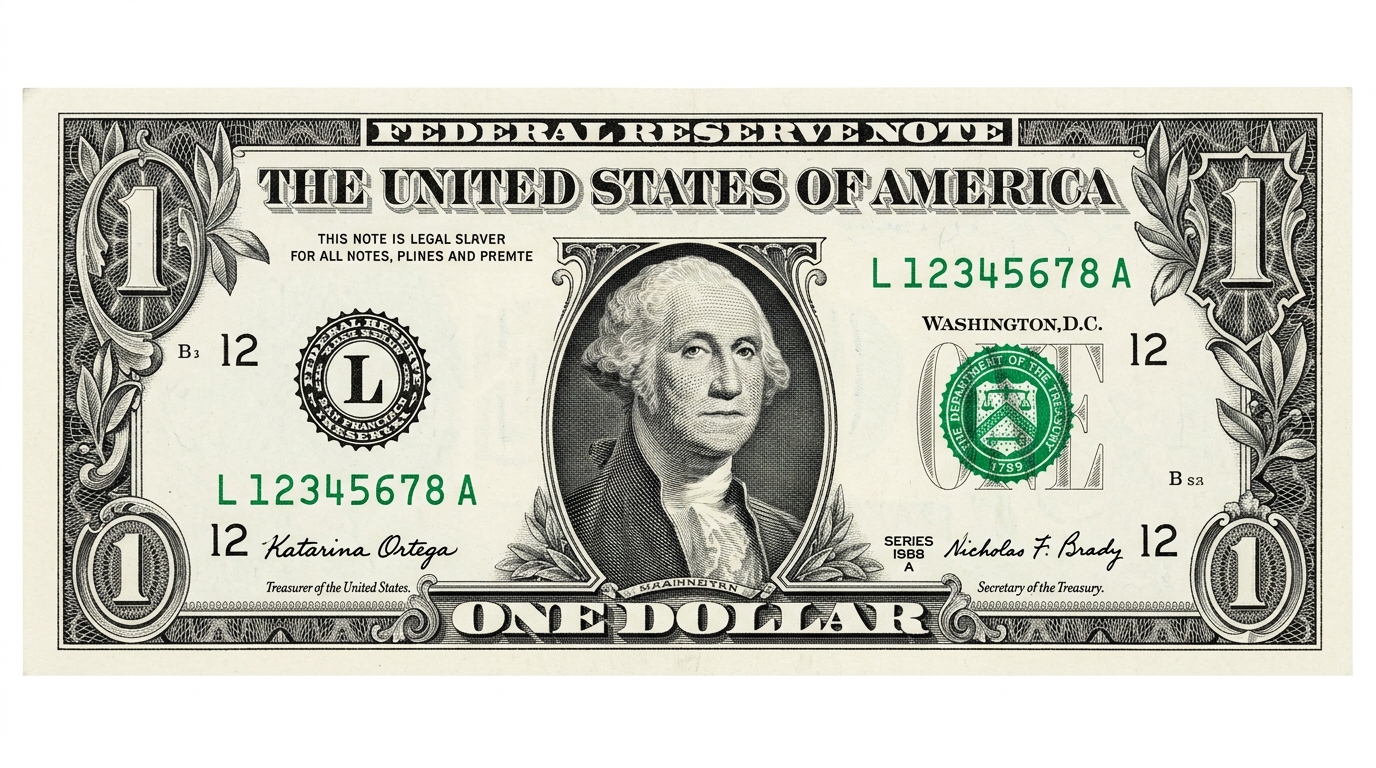
Federal Reserve Notes Series 1981A $5: Why This Series Has More Plate Varieties Than Any Other Postwar Five-Dollar Issue

The Series 1981A $5 Federal Reserve Note is a collector’s puzzle box, hiding more back plate varieties and face plate combinations than any other postwar Lincoln five. Understanding why these varieties exist, and which ones to chase, can transform a seemingly common note into a fascinating specialist pursuit.

Read More →
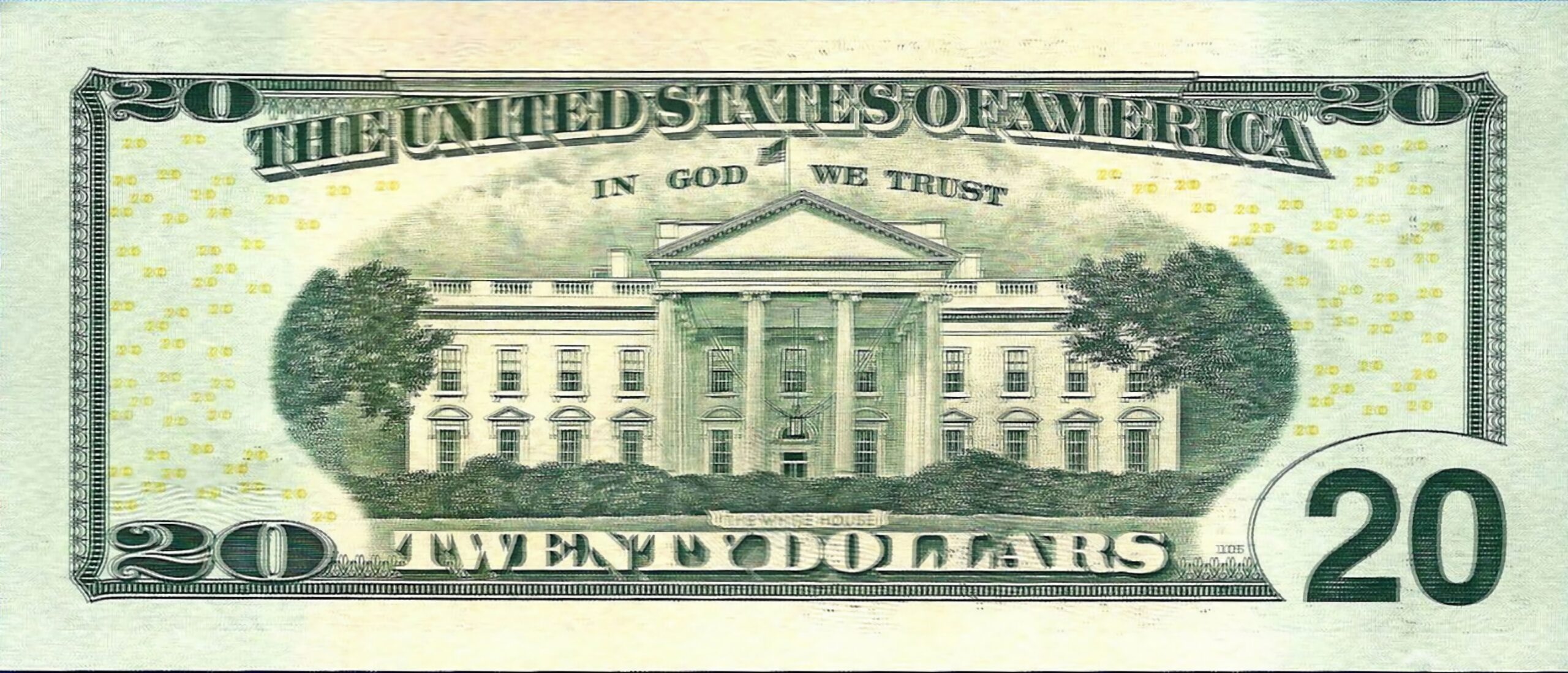
Double Impression Errors on Federal Reserve Notes: A Complete Collector’s Guide to Notes That Passed Through the Press Twice

Double impression errors rank among the most visually dramatic and collectible mistakes in modern U.S. currency production, created when a note passes through the intaglio or offset press a second time and receives a ghostly duplicate image. This guide breaks down how these errors occur, which series and denominations produce the most desirable examples, and what collectors should expect to pay for certified specimens.

Read More →

Serial Number Skips and Jumps: When the Numbering Press Malfunctions and Creates Non-Sequential Pairs

When the Bureau of Engraving and Printing’s numbering presses malfunction, the result can be a fascinating class of error notes featuring serial numbers that skip, repeat, or jump far outside their expected sequence. Understanding these mechanical anomalies separates casual collectors from true error currency specialists.

Read More →

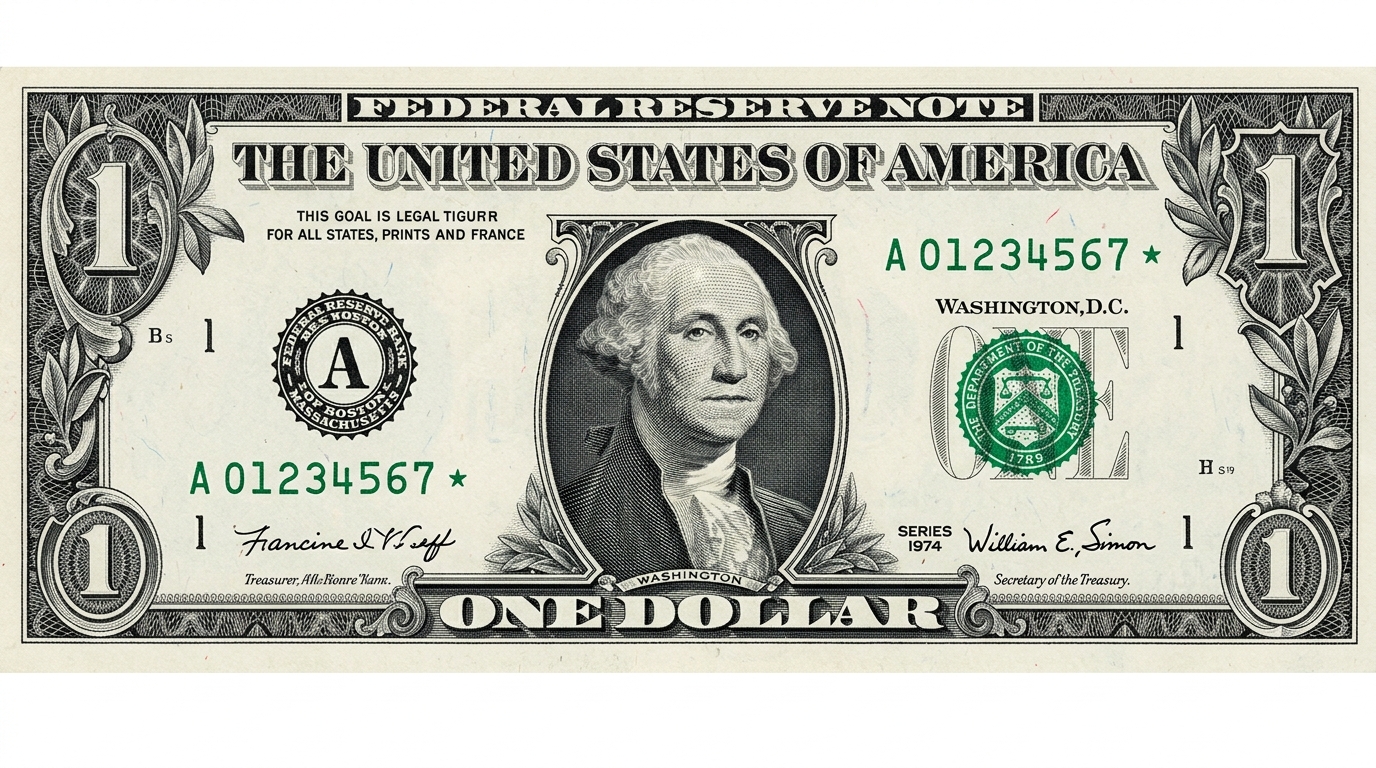
Federal Reserve Notes Series 1974 $1: A District-by-District Star Note Rarity Survey

The Series 1974 $1 Federal Reserve Note looks deceptively ordinary, but its star note population breaks down into a fascinating spectrum of scarcity across all twelve districts. This district-by-district survey arms collectors with the print run data, signature details, and market context needed to hunt these notes intelligently.

Read More →

The Black Market and US Currency Abroad: How Cold War Dollar Demand Shaped Post-War Note Survivorship

Millions of American banknotes vanished into foreign black markets during the Cold War, creating unexpected scarcity patterns that still puzzle collectors today. Understanding how postwar dollar hoarding in Eastern Europe, Asia, and Latin America affected note survivorship can completely change how you evaluate condition rarity versus print rarity.

Read More →

Washed Notes: How Criminals Bleach Low-Denomination Bills to Fake High-Value Currency and What Collectors Must Know

Washed notes, created by chemically stripping genuine low-denomination bills and reprinting them as high-denomination currency, represent one of the most deceptive counterfeiting techniques ever devised. Understanding the forensic tells, historical context, and authentication methods behind washed notes is essential knowledge for every serious currency collector.

Read More →

Federal Reserve Notes Series 1969B $100: The Short-Lived Series That Most Collectors Have Never Examined Closely

The Series 1969B $100 Federal Reserve Note occupies a peculiar and often overlooked corner of large-denomination collecting, produced during a brief window of Treasury transition with signature combinations that lasted only months. Understanding its printing history, district variations, and survival rates can unlock real value for collectors willing to look past the more glamorous key dates.

Read More →

Steel, Silver, and Paper: How the 1942–1944 Wartime Coin Shortage Drove Americans to Hoard Currency and Shaped Note Survivorship Forever

When wartime metal demands stripped coins from American pockets between 1942 and 1944, millions of citizens turned to paper currency as an everyday substitute, unknowingly creating one of the most fascinating survivorship patterns in modern US note collecting. Understanding this hoarding behavior unlocks why certain series from this era survive in unexpectedly high grades today, while others remain stubbornly scarce.

Read More →

The History of American Currency Counterfeiting: From Colonial Woodcuts to 21st Century Digital Fakes

American counterfeiting stretches back more than three centuries, shaping the very design of every note in your collection. Understanding this ongoing arms race between forgers and the Treasury helps collectors identify genuine notes, spot alterations, and appreciate why certain security features define a series.

Read More →

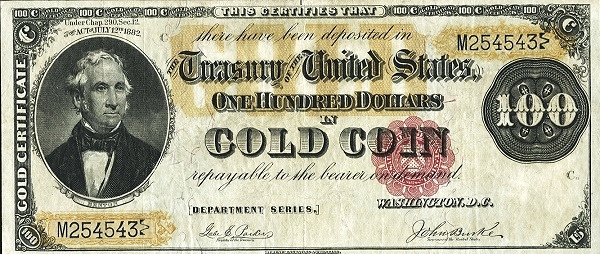
Franklin on the $100: Comparing Every Engraved BEP Portrait from Large-Size Gold Certificates to the Modern Note

Benjamin Franklin has appeared on American currency longer than any other non-president, yet his portrait has changed dramatically across more than a century of engraving. This deep-dive compares every distinct BEP-engraved Franklin portrait, from the ornate large-size issues of the 1870s through the high-security small-size notes of 2013, giving collectors the specific details they need to identify, grade, and appreciate each era.

Read More →