US Notes

The Counterfeit Currency Crisis of 1862: Why the First Legal Tender Notes Were Already Being Faked Within Weeks of Issue

When the United States issued its first Legal Tender Notes in February 1862, counterfeiters were already at work before the ink had dried on the genuine articles. This deep-dive into the chaotic early days of federal paper money reveals how a desperate wartime government scrambled to protect a currency that was, by modern standards, shockingly easy to fake.

Read More →
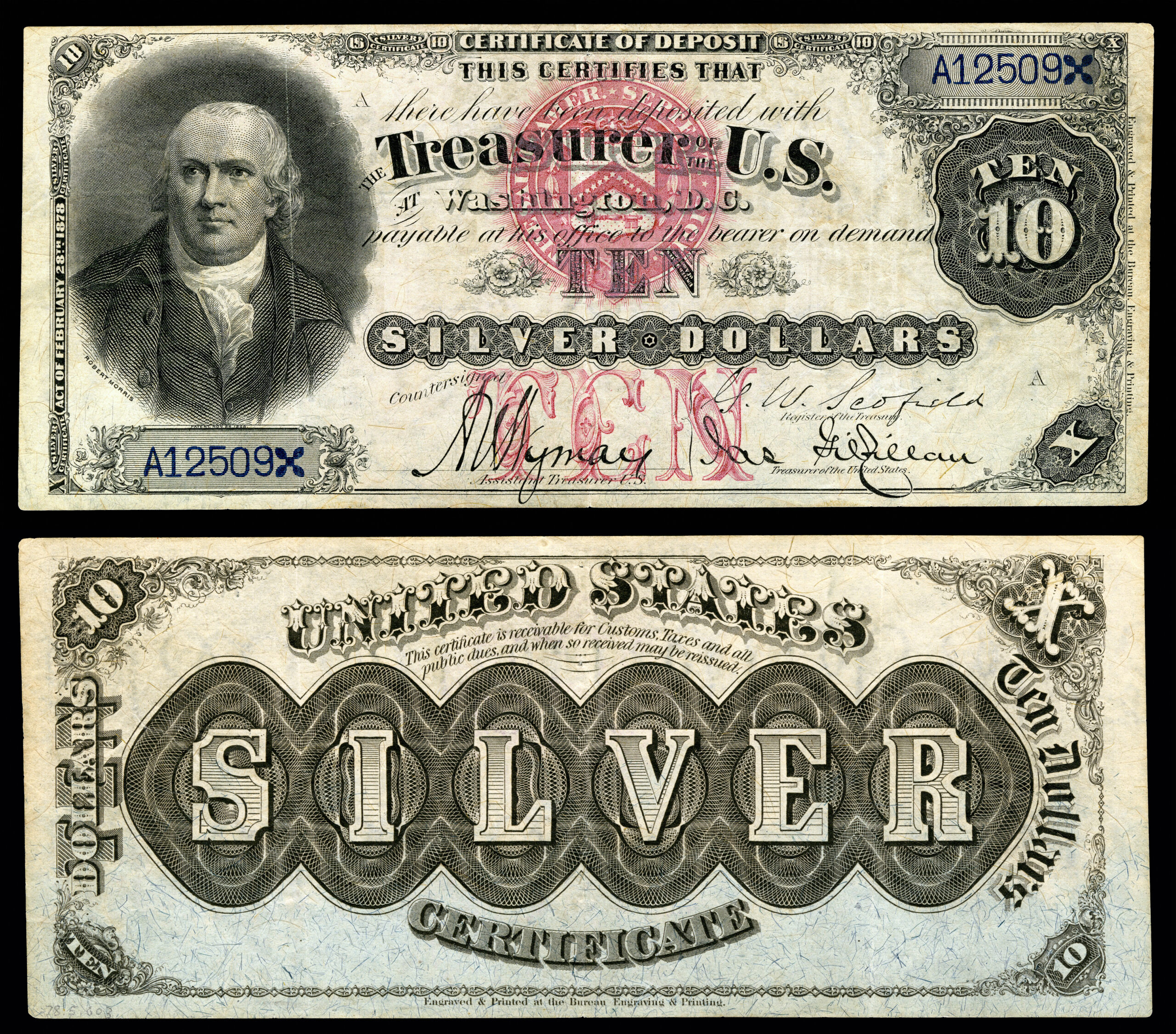
Vignettes and Allegorical Figures on Large-Size Silver Certificates: What They Mean and Why Collectors Should Care

The elaborate vignettes and allegorical figures engraved on large-size Silver Certificates are far more than decoration, they encode 19th-century political ideals, classical mythology, and the aspirations of a young republic into every note. Understanding what these images represent transforms the way you read and collect these remarkable pieces of American art.

Read More →

The Series 1875 $5 United States Note: The Pioneering ‘Family Back’ Design and Why Attribution Is Difficult for New Collectors

The Series 1875 $5 United States Note introduced one of the most visually striking reverse designs in American currency history, yet its many signature combinations and subtle plate varieties make accurate attribution a genuine challenge. This guide breaks down every major variety, explains the Treasury seal changes, and gives collectors the tools to confidently identify what they actually hold.

Read More →

The United States Notes Act of 1878: Why Congress Forced Treasury to Maintain $346,681,016 in Legal Tender Notes Permanently

In 1878, Congress passed landmark legislation locking the volume of United States Notes at exactly $346,681,016 forever, a political and monetary decision that would shape American currency for the next century. Understanding this act unlocks the collecting story behind every Legal Tender Note issued after that date, from common circulated examples to the rarest high-denomination survivors.

Read More →

The Series 1890 $50 Treasury Note: William Seward’s Portrait and One of the Most Ornate Back Designs in US Currency History

The Series 1890 $50 Treasury Note stands among the most visually spectacular pieces of American paper money ever produced, combining a dignified portrait of statesman William H. Seward with an incredibly dense, engraved back design that earned these notes a lasting nickname among collectors. Whether you are new to large-size currency or a seasoned specialist, understanding what makes this note remarkable can transform how you approach 19th-century American paper money.

Read More →

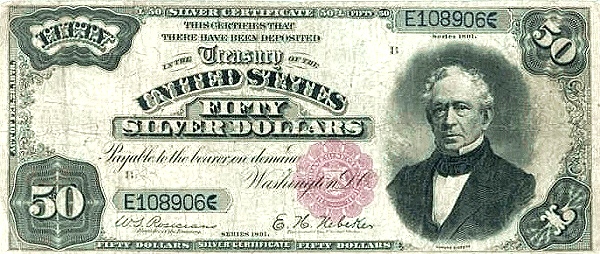
The Series 1891 $50 Silver Certificate Edward Everett Portrait: An Almost Unknown Large-Size Type

The Series 1891 $50 Silver Certificate featuring Edward Everett is one of the rarest and most overlooked large-size notes in American numismatics, with surviving examples numbering in the dozens. This deep-dive explores its history, design, signature combinations, and why collectors fortunate enough to encounter one should treat it as a once-in-a-lifetime opportunity.

Read More →

Thomas F. Morris and the BEP Engravers Who Defined 19th Century American Currency Portraits

The faces staring back at you from 19th century United States currency were carved into steel by a small brotherhood of master engravers whose names rarely appear in standard price guides. This deep dive into Thomas F. Morris and his contemporaries at the Bureau of Engraving and Printing reveals how their craft decisions directly affect rarity, collector value, and the visual identity of American money.

Read More →

Geometric Lathe Work on 19th Century US Currency: How Spirograph-Style Patterns Defeated Counterfeiters

The intricate rose engine and geometric lathe patterns woven into 19th century American banknotes were not merely decorative flourishes but sophisticated anti-counterfeiting technology that defined an era of currency design. Understanding these patterns helps collectors identify genuine notes, spot alterations, and appreciate why certain series command premium values today.

Read More →

The Series 1891 $2 Silver Certificate: William Windom’s Portrait and One of the Shortest Production Runs in 19th-Century Currency

The Series 1891 $2 Silver Certificate is a fascinating and scarce large-size note featuring Treasury Secretary William Windom, produced during a narrow window before Windom’s death in January 1891 effectively closed the chapter on this design. Collectors prize this note for its rarity, its unique portrait subject, and the numismatic stories packed into its brief production history.

Read More →

The Series 1880 $100 United States Note: Legal Tender Giants and Their Surviving Population

The Series 1880 $100 United States Note stands among the most visually striking large-size legal tender issues ever produced by the U.S. Treasury, combining bold design elements with a fascinating array of signature combinations and seal varieties. Understanding the surviving population, key varieties, and what separates a common circulated example from a true condition rarity is essential knowledge for any serious large-size note collector.

Read More →