
US Notes

Ink Void Errors on Modern Federal Reserve Notes: Causes, Appearance, and Auction Results

Ink void errors rank among the most visually dramatic mistakes to survive the Bureau of Engraving and Printing’s quality control process, leaving collectors with notes that are simultaneously incomplete and remarkable. This guide breaks down exactly how these errors form, how to distinguish genuine voids from post-printing damage, and what recent auction results tell us about their true market value.

Read More →
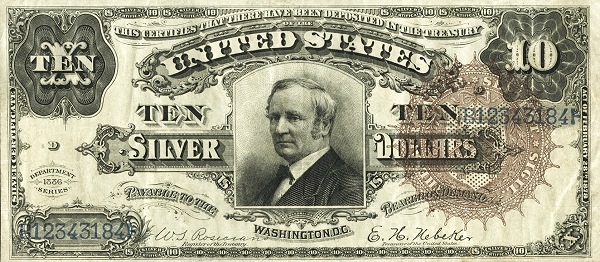
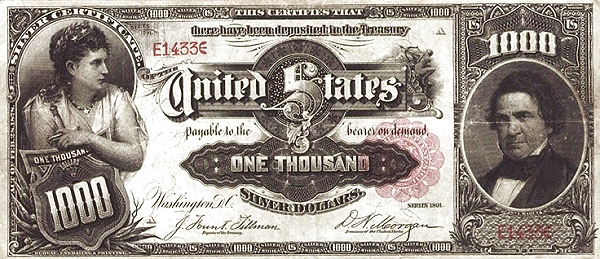
Inking Roller Skip Errors on Intaglio Currency: The Diagonal Bands of Missing Ink That Fascinate Collectors

Inking roller skip errors produce dramatic diagonal bands of missing ink across portraits and back designs on intaglio-printed currency, creating some of the most visually striking error notes in American numismatics. This guide explains exactly how these errors occur, how to authenticate them, and which examples command serious collector premiums.

Read More →

Series 1929 National Bank Note Varieties: Type 1 vs. Type 2 Charter Number Placement, and Why One State Turns Everything Upside Down

The Series 1929 National Bank Notes seem straightforward at first glance, but a subtle difference in charter number placement divides them into two distinct and collectible types. Understanding Type 1 versus Type 2, and the peculiar complication introduced by certain Nebraska banks, can mean the difference between passing up a rare variety and recognizing a genuine treasure.

Read More →

Board Breaks: Plate Cracks and Void Lines That Create Dramatic Printing Artifacts on U.S. Currency

Plate cracks, board breaks, and void lines are among the most visually striking printing errors in U.S. paper money collecting, yet they remain poorly understood by most collectors. This deep-dive explains exactly how these artifacts form, which notes to target, and how to evaluate their significance and value.

Read More →

The Series 1953B $5 Silver Certificate: The Scarcest Signature Variety of the Final Small-Size Silver Five and Its Star Notes

The Series 1953B $5 Silver Certificate represents the rarest signature combination in the final chapter of small-size silver certificate production, with star notes that rank among the most coveted of the entire series. Understanding its print run, signature pairing, and grading nuances can mean the difference between paying fair market value and missing a genuine sleeper in your collection.

Read More →

The Series 1934 $20 Federal Reserve Note ‘Redeemable in Gold’ Clause: Which Districts Printed It and Which Had Already Changed

The Series 1934 $20 Federal Reserve Note sits at one of the most dramatic crossroads in American monetary history, with some district notes still bearing the gold redemption clause while others had already dropped it. Understanding exactly which districts printed which obligation text, and why, unlocks one of the most nuanced and collectible distinctions in twentieth-century paper money.

Read More →

Insufficient Feed Errors on Modern Federal Reserve Notes: When the Sheet Enters the Press Misaligned and Creates a Dramatic Shift

Insufficient feed errors rank among the most visually spectacular mistakes the Bureau of Engraving and Printing can produce, leaving collectors with notes that look as though the design was applied to entirely the wrong piece of paper. This guide breaks down exactly how these errors happen, which series produce the most dramatic examples, and how to evaluate and value them in today’s market.

Read More →

Star Note Varieties of the Series 1934A $1 Silver Certificate: Block Letters, Print Runs, and District Differences

The Series 1934A $1 Silver Certificate star notes represent one of the most nuanced collecting areas in mid-20th century American paper money, with dramatic print run differences between Federal Reserve districts creating significant value disparities. This guide breaks down every known block, district, and print run so collectors can identify exactly what they hold and what it is worth.

Read More →

Series 1928 $5 Federal Reserve Note Varieties: Which Signature Combinations Are Legitimately Scarce and Which Are Common

The Series 1928 $5 Federal Reserve Notes span six distinct signature combinations and twelve issuing districts, creating a collecting landscape where genuine rarities hide alongside abundant issues. This guide breaks down every major variety by print run, signature pair, and current market value so collectors can build smarter, more focused collections.

Read More →

Obstruction Errors: When Foreign Objects Cause Missing Print Areas and What These Notes Sell For

Obstruction errors rank among the most visually dramatic mistakes to ever leave a Bureau of Engraving and Printing press, created when debris, tape, or folded paper blocks ink from reaching the substrate. Understanding what causes these striking anomalies, how to authenticate them, and what the market actually pays separates savvy collectors from those who overpay or miss a bargain.

Read More →