US Notes

The Series 1928 $1 Silver Certificate: Varieties, Mule Notes, and Wide vs. Narrow Margins Explained
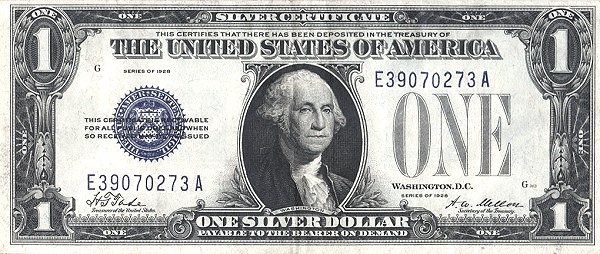
The Series 1928 $1 Silver Certificate is one of the most variety-rich issues in small-size currency history, packed with signature combinations, mule notes, and margin differences that can mean the difference between a common note and a serious key date. Whether you are just starting out or fine-tuning a specialized collection, understanding these distinctions is essential to building a meaningful set.

Read More →
Federal Reserve Notes Series 1950E $20: The Scarcest Suffix Letter of the Postwar Era Explained

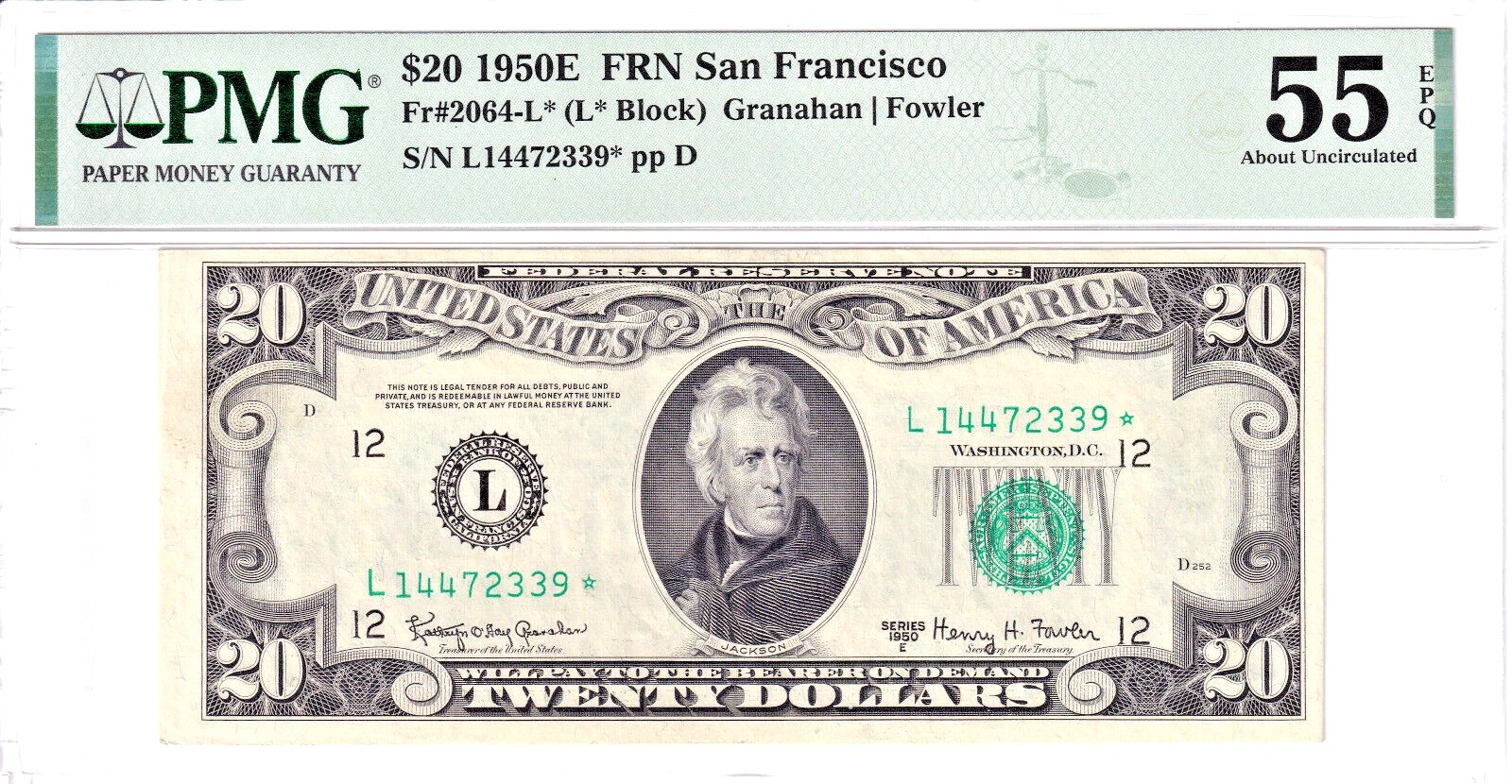
The Series 1950E $20 Federal Reserve Note represents one of the most dramatic print-run disparities in postwar American currency, with certain district issues ranking among the genuinely scarce collectibles of the mid-century era. Understanding why this series ended so abruptly, which districts are hardest to find, and how to evaluate condition are essential skills for any serious large-denomination collector.

Read More →

Federal Reserve Notes Series 2003A $1: Which Districts Issued the Lowest Star Note Print Runs and What They Sell For Today

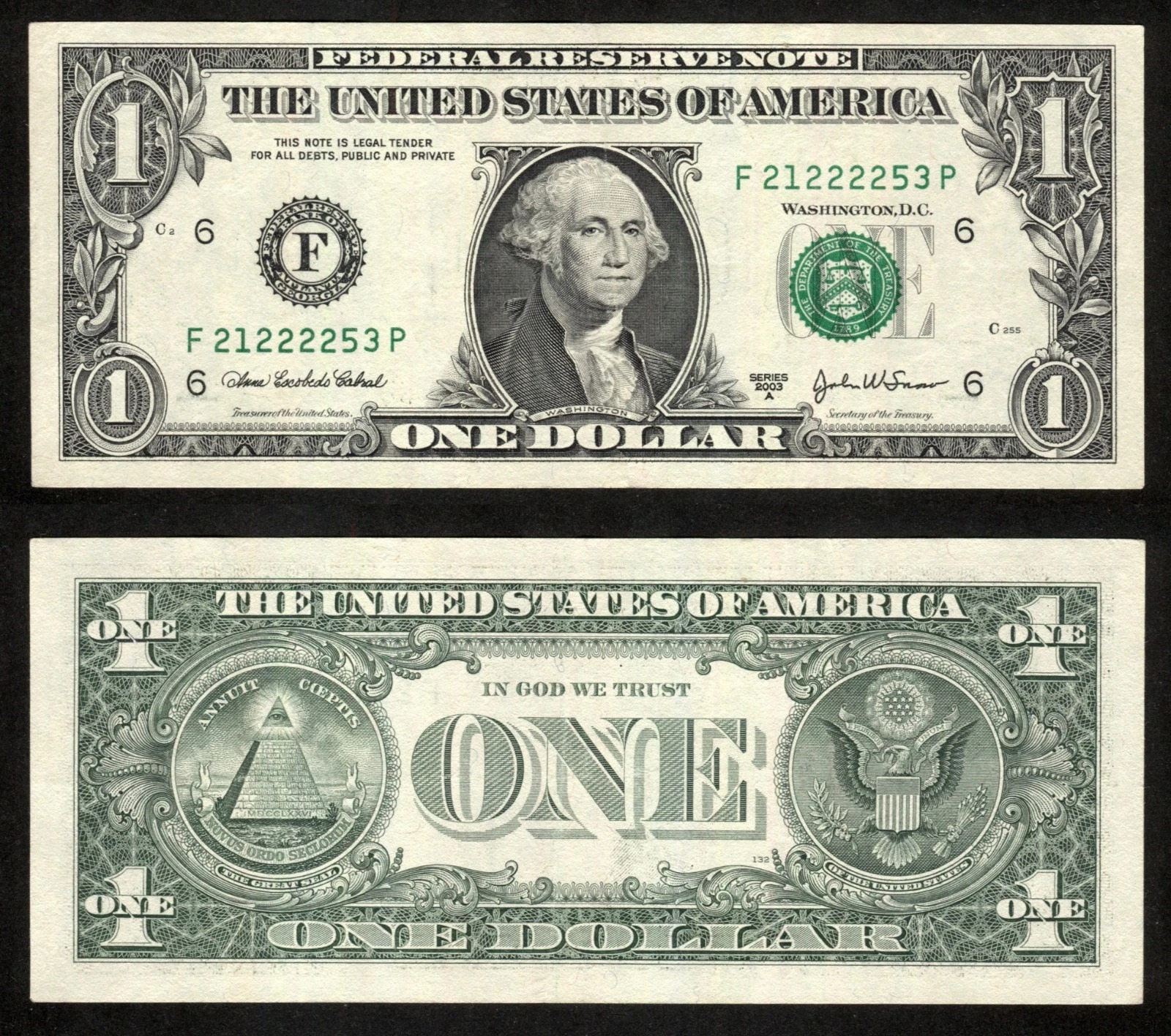
The Series 2003A $1 Federal Reserve Note produced some of the most dramatically uneven star note print runs in modern currency history, creating a genuine rarity hierarchy across the twelve Federal Reserve districts. Understanding which districts printed the fewest replacement notes, and why, can mean the difference between buying a $3 bill and missing a $150 one.

Read More →

The Bureau of Engraving and Printing’s Public Gallery: A Century of Educating Visitors About American Currency

For over a century, the Bureau of Engraving and Printing has opened its doors to millions of curious visitors, offering an unparalleled look at how America’s paper money is designed, printed, and finished. Understanding the BEP’s public tour history adds rich context to any currency collection and reveals the fascinating intersection of security, craftsmanship, and public transparency.

Read More →

Series 1981A $1 Federal Reserve Note: How to Identify the Transitional Printing Differences from the 1981 Series

The Series 1981A $1 Federal Reserve Note marks a subtle but significant transitional moment in Bureau of Engraving and Printing history, with key differences in plate letter positioning, overprint characteristics, and signature combinations that most collectors overlook. Understanding these distinctions not only sharpens your eye for authentication but can reveal genuinely scarce varieties hiding in plain sight.

Read More →

Federal Reserve Notes Series 1950A $5: Signature Varieties, Star Notes, and the Districts That Printed the Fewest

The Series 1950A $5 Federal Reserve Note is one of the most underappreciated mid-century collectibles, featuring a single signature pairing and dramatic print run disparities across the twelve Federal Reserve Districts. Whether you’re hunting star notes or chasing the low-mintage outliers from Minneapolis or Dallas, this guide gives you the data and context you need.

Read More →

Fake Star Notes: How to Detect Counterfeit Replacement Stars Added to Common Serial Numbers After Printing

Altered star notes — ordinary bills doctored with a crudely added star symbol to mimic valuable replacement notes — represent one of the most persistent frauds in paper money collecting. This guide walks you through the authentication techniques, known alteration methods, and red flags that every collector must know before buying a star note.

Read More →

Series 1950B $50 Federal Reserve Note Star Notes: Which Districts Are Conditionally Rare and Why Census Numbers Mislead

The Series 1950B $50 Federal Reserve Note star notes present one of the most deceptive collecting puzzles in mid-century large-denomination currency, where raw survival numbers tell only half the story. Learn which Federal Reserve districts produce genuine conditional rarities, how grading realities distort census counts, and what savvy collectors know before bidding.

Read More →

The New Color Palette of the 2004-2013 Federal Reserve Notes: Design Choices Behind Each Denomination’s Hues

Between 2004 and 2013, the Bureau of Engraving and Printing rolled out the most dramatic redesign of U.S. paper currency in nearly a century, introducing subtle background colors that broke from over 80 years of uniform green and black printing. Understanding the specific color choices behind each denomination reveals a fascinating intersection of security science, anti-counterfeiting strategy, and deliberate visual identity that every collector should know.

Read More →

Black Gold and Green Paper: How the Federal Reserve Bank of Dallas Fueled Texas’s Petroleum Economy Through District 11 Currency

The Federal Reserve Bank of Dallas, identified by the letter K and numeral 11, printed and circulated currency through one of America’s most dynamic economic booms, the Texas oil era. Understanding District 11 notes reveals how Federal Reserve currency production responded to explosive regional growth and why certain Dallas-issued banknotes rank among the most historically significant in American collecting.

Read More →