
US Notes

The Series 1953B $5 Silver Certificate: The Scarcest Signature Variety of the Final Small-Size Silver Five and Its Star Notes
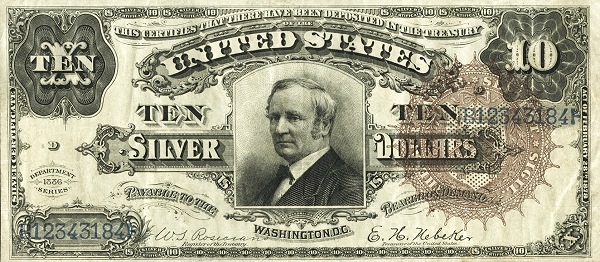
The Series 1953B $5 Silver Certificate represents the rarest signature combination in the final chapter of small-size silver certificate production, with star notes that rank among the most coveted of the entire series. Understanding its print run, signature pairing, and grading nuances can mean the difference between paying fair market value and missing a genuine sleeper in your collection.

Read More →
Federal Reserve Notes Series 2004A $20: Color-Shifting Ink, Subtle Hues, and What Collectors Need to Know

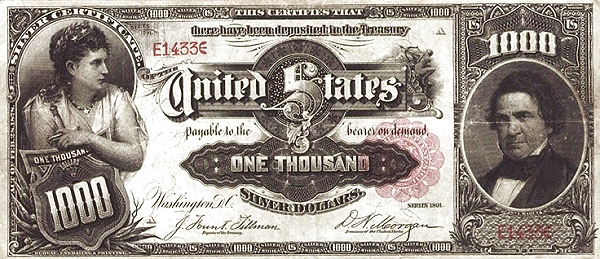
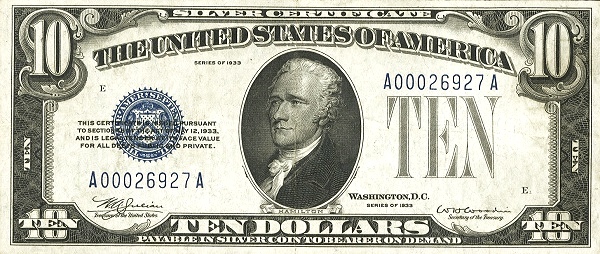
The Series 2004A $20 Federal Reserve Note marked a turning point in American currency design, introducing color-shifting ink and subtle background colors that transformed the look of the bill. Understanding the key varieties, signature combinations, and what to look for in high-grade examples makes this modern note far more interesting to collect than most hobbyists realize.

Read More →

The BEP’s Production Records During the Korean War: How Military Spending Drove Currency Print Runs to Post-Depression Highs

The Korean War (1950-1953) triggered an explosive surge in Federal Reserve Note production, pushing the Bureau of Engraving and Printing to output levels not seen since World War II mobilization. Understanding these production peaks helps collectors identify high-mintage common notes versus scarcer transitional series from this pivotal era.

Read More →

Federal Reserve Notes Series 1928B $1: The First Widely Circulated Small-Size Note

The Series 1928B $1 Federal Reserve Note holds a unique place in American monetary history as the first small-size dollar bill to reach widespread public circulation. Understanding its varieties, signature combinations, and district scarcities can open up a rewarding and surprisingly affordable collecting specialty.

Read More →

Federal Reserve Notes Series 1988A $1: The Web Press Precursor and Its Overlooked Plate Varieties

The Series 1988A $1 Federal Reserve Note sits at a pivotal crossroads in American printing history, bridging conventional sheet-fed production with the experimental web press program that would follow. For collectors willing to dig into plate varieties, district scarcities, and star note populations, this series rewards careful study far beyond its face value.

Read More →

The $10 Federal Reserve Note: Hamilton, Independence Hall, and the 1990s Security Redesign

From Alexander Hamilton’s stoic portrait to the evolution of microprinting and color-shifting ink, the $10 Federal Reserve Note has undergone more dramatic transformations than almost any other denomination. This guide walks collectors through the key series, signature combinations, and rarity milestones that make the ten-dollar note a surprisingly rewarding specialty.

Read More →

Star Note Varieties of the Series 1934A $1 Silver Certificate: Block Letters, Print Runs, and District Differences

The Series 1934A $1 Silver Certificate star notes represent one of the most nuanced collecting areas in mid-20th century American paper money, with dramatic print run differences between Federal Reserve districts creating significant value disparities. This guide breaks down every known block, district, and print run so collectors can identify exactly what they hold and what it is worth.

Read More →

How the Federal Reserve Handled the 2008 Financial Crisis: Currency Production Spikes and What Collectors Saw

The 2008 financial crisis triggered some of the most dramatic shifts in Federal Reserve Note production in modern history, with print runs surging and new series notes entering circulation under extraordinary economic pressure. For currency collectors, the crisis years left behind a fascinating paper trail of high-print-run notes, transitional series, and subtle production anomalies that continue to reward careful study today.

Read More →

Federal Reserve Notes Series 2013 $100: The Creasing Crisis That Halted Production and What It Means for Collectors Today

In 2010, the Bureau of Engraving and Printing unveiled a dramatically redesigned $100 note, only to discover a manufacturing defect that would delay its release by three years and produce some of the most scrutinized currency in modern American history. Understanding the creasing problem, the production halt, and the resulting series variations gives collectors a fascinating window into how error notes and transitional issues are born.

Read More →

The Series 1935D $1 Silver Certificate Wide vs. Narrow Back: How a Plate Modification Created a Permanent Variety

The Series 1935D $1 Silver Certificate harbors one of the most fascinating production-driven varieties in all of small-size currency collecting: the Wide Back and Narrow Back distinction born from a mid-run plate redesign. Understanding exactly what changed, when it changed, and why it matters can sharpen your eye and meaningfully upgrade your collection.

Read More →