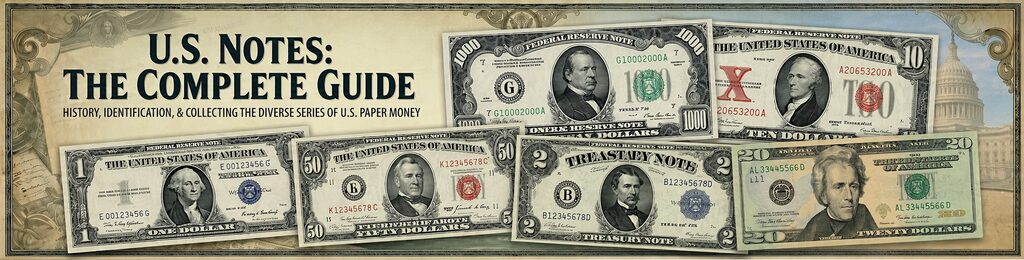
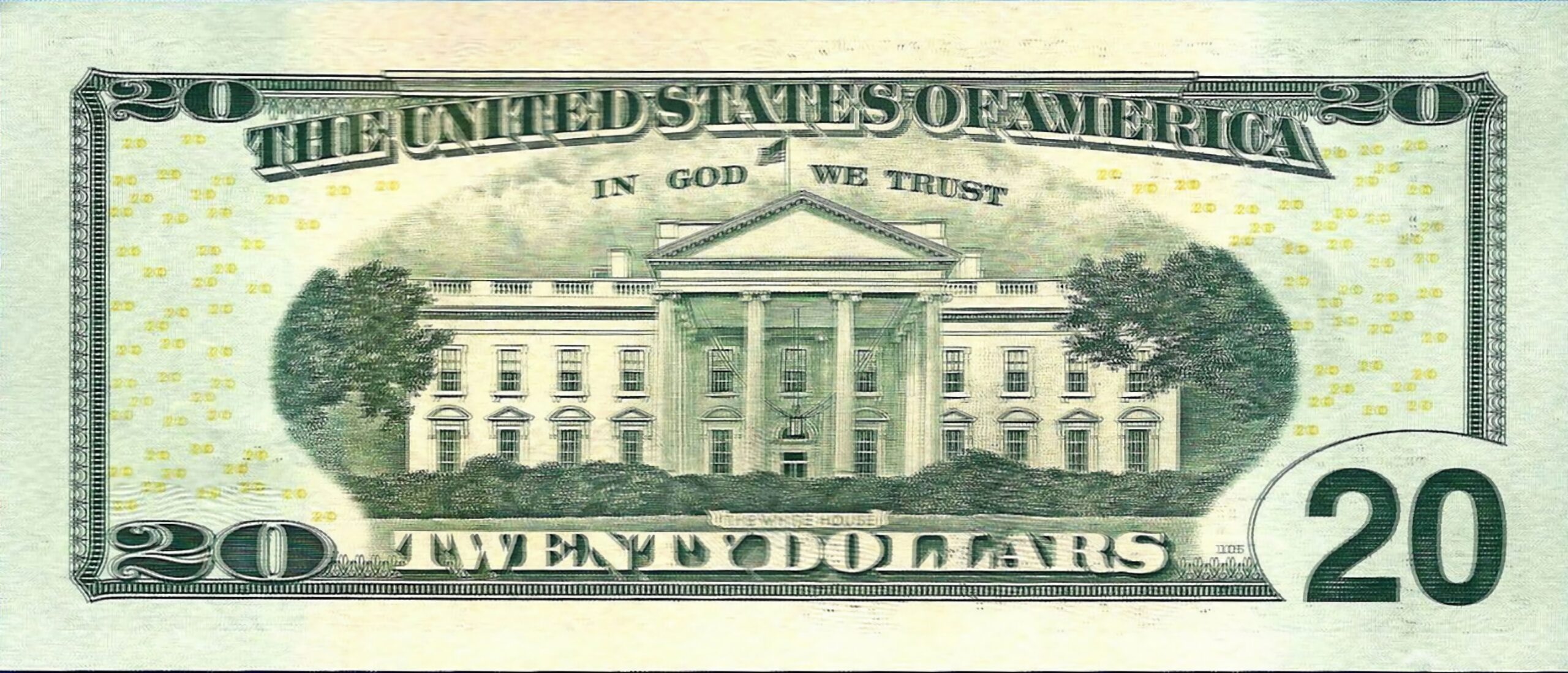
📷 Image source: Wikimedia Commons (composite effect applied). Images are selected by AI to represent the article topic and may not depict the exact note(s) described.
Pick up a double impression error note for the first time and you will immediately understand why these pieces command serious money in the currency collecting hobby. The image is unmistakable: two complete, slightly offset versions of the same printed element occupy the same note, one sitting perhaps a millimeter or two above or beside the other, creating a bold, almost three-dimensional visual effect that stops every observer cold. These are not subtle mistakes. They are dramatic, unambiguous evidence of a catastrophic breakdown in the Bureau of Engraving and Printing’s quality control systems, and that rarity and drama translate directly into collector demand.
How Double Impression Errors Actually Happen
To understand the double impression error, you first need a working knowledge of how Federal Reserve Notes are printed. Modern currency production at the BEP uses a multi-stage process. Uncut sheets of paper first receive the back design (green ink) via intaglio printing, a high-pressure process in which engraved plates deposit ink into the valleys of the paper under enormous force. After drying, the sheets receive the face design (black ink) in a second intaglio pass. A third offline process applies the Federal Reserve seal and district numbers, the Treasury seal, and the serial numbers using letterpress or offset lithography.
A double impression occurs when a sheet, or occasionally a single note, passes through one of these presses a second time before moving to the next production stage. In most documented cases the error happens during the face intaglio printing, meaning the portrait, the denomination numerals, and the fine line engraving all appear twice on the note’s obverse. The shift between the two impressions can be vertical, horizontal, or diagonal, and the degree of separation dramatically affects both visual impact and market value. A crisp, bold shift of 2 to 4 millimeters on a high-denomination note is the collector ideal.
The mechanical cause is almost always a sheet that was not properly ejected from the delivery stack and was picked up again by the feeder. On the older flat-bed Giori presses used through the 1990s, a misaligned or jammed sheet could easily re-enter the feed mechanism. The BEP’s inspection systems, including ultraviolet scanning and human inspection at the cutting stage, are designed to catch these sheets before they leave the facility, which is precisely why genuine double impressions in circulated condition are so rare. The ones that escape represent a failure at multiple inspection points.
Identifying a Genuine Double Impression vs. a Fake or Misidentified Note
The forgery and misidentification risk on double impression errors is real enough that third-party certification is practically mandatory before any serious purchase. Several phenomena can mimic the look of a double impression and have fooled even experienced collectors.
The most common imposter is a wet transfer offset, sometimes called a kiss transfer or offset error. This happens when fresh ink from one sheet transfers to the back of the sheet stacked on top of it, depositing a faint mirror image of the printing on the adjacent note. A genuine double impression will show full intaglio ink with the characteristic embossed feel under your fingertip. An offset transfer will appear flat and typically reversed. Run your thumb lightly across the numerals: intaglio ink stands up from the paper with a tactile ridge that offset ink cannot replicate.
A second imposter is the double strike from the letterpress serial number process. These are legitimate errors but are cataloged and valued separately from intaglio double impressions. On a serial number double strike, only the numerals and/or seals will appear doubled while the portrait and fine engraving remain clean and single. Values for serial number doubles are generally lower, typically $200 to $800 in Choice CU condition, than for full intaglio double impressions.
Always request a side-light photograph before purchasing an uncertified double impression error. Angling a light source at roughly 15 to 20 degrees across the face of the note will cause genuine intaglio double impressions to cast two distinct shadow ridges, one for each impression pass. Flat offset transfers will show no such shadowing. This simple test has saved many collectors from expensive mistakes.
Third-party grading services, specifically PMG (Paper Money Guaranty) and PCGS Currency, both recognize and label double impression errors on their holders using the notation “Double Print” or “Double Impression.” PMG additionally notes whether the doubling affects the face, back, or both, and whether the overprint (seals and serials) is involved. Their population reports are the closest thing the hobby has to a census of known survivors.
Which Denominations and Series Are Most Sought After?
Double impression errors have been documented on denominations ranging from $1 through $100, but the collecting market concentrates its attention on a few specific areas. The $100 Federal Reserve Note double impression is the undisputed king of the category. A Series 1988A $100 note with a bold 3-millimeter vertical shift in the face intaglio, certified PMG 64 Choice Uncirculated, sold at a Heritage Auctions currency sale in January 2019 for $14,100. The combination of high face value, complex engraving (making the doubling visually complex and convincing), and relative scarcity drives that premium.
The $50 Federal Reserve Note double impressions from Series 1988 and 1993 are the second tier. Certified examples in grades from AU-55 through CU-65 typically realize $3,500 to $7,500 at major auction. The Series 1993 $50 issues from the Chicago (G) district have produced a disproportionate share of documented double impression survivors, though the reason for this geographic concentration is not definitively established in the literature. It may simply reflect the district’s higher production volumes during that period.
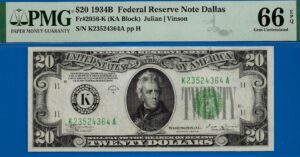
Among smaller denominations, the $20 Series 1990 and 1993 notes have the deepest documented population of double impressions. These are more accessible for entry-level error collectors, with mid-grade certified examples (EF-40 to AU-55) often available in the $750 to $1,800 range. The $20 notes also tend to show very clean, readable doubling on the portrait of Andrew Jackson, which makes them excellent display pieces for educational collections.
$1 and $5 double impressions exist but command the lowest premiums in the category, simply because the face value and design complexity are both lower. A certified $1 Series 1988A double impression in CU-65 might realize $400 to $900 depending on the boldness of the shift and the quality of the paper. These make excellent entry points for collectors new to the error market who want a genuine, certified double impression without a four-figure investment.
When comparing double impression errors at auction or in dealer stock, pay close attention to the direction and magnitude of the shift in millimeters, not just the certified grade. A note graded PMG 58 Choice AU with a bold 3 mm horizontal shift will typically outperform a PMG 64 example with a barely perceptible 0.5 mm shift, because visual impact is a primary value driver in this error category. Ask for precise shift measurements or macro photographs before bidding.
Double Back Impressions: The Rarer Sibling
While most collector attention and auction catalog descriptions focus on face double impressions, the double impression on the back of Federal Reserve Notes is arguably rarer and is distinctly undervalued in the current market. The green back intaglio printing represents the first stage of production, meaning a sheet that received a double back impression would need to survive two more printing stages and the final inspection without detection. The survival rate is correspondingly lower.
Documented double back impressions on $100 Series 1990 notes have sold in the $4,000 to $8,000 range, which many specialists consider underpriced given the production difficulty of the error. The doubling on the back of a $100 note affects the complex architectural vignette of Independence Hall (pre-2013 design) or the Liberty Bell vignette detail, making it visually compelling in its own right. Fewer than 15 certified double back impressions on $50 or $100 notes appear in the combined PMG and PCGS population reports as of late 2023, compared to roughly 60 to 80 certified face double impressions across those same denominations.
Full Double Impressions: Both Sides Doubled
The rarest subcategory is the complete double impression, in which both the back and the face received a second pass through their respective presses. These notes are extraordinary and genuinely rare by any measure. Only a handful of confirmed examples exist in certified holders. A Series 1985 $20 note with confirmed full double impression on both face and back was offered privately in 2021 at an asking price of $22,500. Whether it sold at or near that figure is not publicly documented, but the asking price reflects the consensus of advanced collectors and dealers about the tier this error occupies.
Grading Considerations Specific to Double Impressions
Grading double impression errors follows the standard PMG and PCGS scales (1 through 70), but several factors specific to this error type influence technical grades and market premiums simultaneously. Paper quality matters enormously: the extra pass through an intaglio press puts significant additional stress on the paper fibers, and notes that survived two intaglio passes often show subtle waviness or a stiffer hand that trained graders recognize and note. This does not necessarily lower the grade, but it is flagged as a comment on some holder labels.
Ink coverage on the second impression also varies. The most desirable examples show full, saturated second impressions with clean, even ink density matching the first pass. Notes where the second impression is lighter or broken indicate that the sheet was partially feeding during the error pass, which reduces visual impact and, typically, market value by 20 to 35 percent compared to a full-coverage bold double impression in the same grade.
If you are submitting a double impression note to PMG or PCGS for the first time, photograph the note under both direct overhead light and raking side light before submission. Store those images permanently. Certified holders with their beveled edges can sometimes reduce the visibility of the raking-light effect that makes double impressions most dramatic, and having your own reference photographs preserves the full visual documentation of the error for future sale or insurance purposes.
Authentication Red Flags and Common Fakes
The dollar values involved in premium double impression errors have inevitably attracted forgers and opportunists. The most sophisticated fakes involve chemically washing a genuine note to remove the face printing and then running it through an altered printing process to create an apparent double impression. These fakes are extremely difficult to detect with the naked eye alone, and they represent a genuine hazard for collectors who purchase raw (uncertified) notes at shows or through unverified online sellers.
A legitimate double impression note will show the correct fiber and security thread characteristics for its series under UV light, undisturbed red and blue security fibers that have not been disturbed by washing, and consistent paper thickness throughout. A washed and reprinted fake often shows telltale signs under UV, including uneven fluorescence, missing or degraded security features, and sometimes residual traces of removed ink. Always insist on third-party certification for any double impression asking more than $500.
| Series / Denomination | Impression Type | Est. Certified Population | Rarity |
|---|---|---|---|
| 1985 $20 (Full Face + Back) | Complete Double Impression | Under 5 known | Key Date |
| 1988A $100 | Face Intaglio Double | 8 to 12 certified | Rare |
| 1990 $100 | Back Intaglio Double | Under 10 certified | Rare |
| 1993 $50 (Chicago G) | Face Intaglio Double | 15 to 22 certified | Rare |
| 1988 $50 | Face Intaglio Double | 18 to 25 certified | Rare |
| 1990 $20 | Face Intaglio Double | 30 to 45 certified | Scarce |
| 1993 $20 | Face Intaglio Double | 25 to 40 certified | Scarce |
| 1988A $1 | Face Intaglio Double | 50 to 70 certified | Scarce |
| 1995 $5 | Overprint Serial Double | 80 to 120 certified | Obtainable |
| 1993 $1 (various districts) | Overprint Serial Double | 100+ certified | Obtainable |
Where to Buy and What to Pay in Today’s Market
The double impression error market is thin but active. Heritage Auctions and Stack’s Bowers both regularly feature certified double impression notes in their major currency sales, held quarterly in Dallas and Las Vegas respectively. For collectors willing to exercise patience, these auction venues offer the best combination of provenance documentation, competitive bidding, and post-sale price transparency through published auction archives.
Specialist currency dealers affiliated with the Professional Currency Dealers Association (PCDA) and the International Bank Note Society (IBNS) are the second-best sourcing channel. Several dealers, including well-known names in the error note specialty, maintain want lists and will actively seek specific denominations and series for clients. Expect to pay retail premiums of 15 to 25 percent above recent auction realizations when buying from dealers, in exchange for immediate availability and the dealer’s authenticity guarantee.
Online platforms including eBay are viable for lower-priced examples in the $300 to $800 range, but the concentration of misidentified notes and outright fakes in the uncertified market makes PMG or PCGS holders essentially non-negotiable for smart buying at those price points.
Building a Focused Double Impression Collection
Advanced collectors have found several organizing strategies that add coherence and narrative to what might otherwise become a random accumulation of error notes. One popular approach is a denomination progression set: one certified double impression from each circulating denomination ($1, $2, $5, $10, $20, $50, $100), assembled across any series. This is achievable on a multi-year budget of roughly $15,000 to $25,000 for a complete set in mid-grades, with the $100 example representing the largest single investment.
A second approach focuses on a single denomination across multiple series, tracking how the error manifests as press technology and security feature design evolved from the 1970s through the 2000s. The $20 note is ideal for this approach given its relatively larger certified population and the dramatic design changes it underwent with the Series 1996, 2004, and 2009 redesigns.
Cross-reference any double impression note you are considering against the PCGS and PMG online population reports before bidding or buying. The error note market is small enough that the same note occasionally recirculates through multiple auction appearances, sometimes with significantly different descriptions. Checking the certification number against population data helps you determine whether you are buying a fresh-to-market example or a note that has already traded multiple times, which affects how aggressively you should bid.
Conclusion: Drama, Rarity, and Long-Term Collector Value
Double impression errors on Federal Reserve Notes occupy a unique position in the American currency error market: dramatic enough to impress a non-collector at first glance, rare enough to be meaningful as a numismatic holding, and diverse enough across denominations and series to support focused long-term collection building. They are not budget errors. Entry-level examples require real investment, and premium pieces represent four-figure and five-figure commitments. But the combination of visual impact, verified production rarity, and a collecting community that genuinely understands and appreciates what these notes represent makes the double impression one of the most intellectually satisfying specialties in the entire field of paper money collecting.
Whether you are purchasing your first certified error note or adding a $100 double impression to a mature collection, the core disciplines remain constant: insist on third-party certification, prioritize boldness of shift alongside technical grade, study the population reports, and buy the best example your budget allows. The double impression errors that survive in collector hands today will not be joined by new examples from the BEP’s modern printing lines, where inspection technology has advanced dramatically since the 1990s. That production finality is the most compelling long-term argument for the category’s continued collector importance.